How To Be a Great Improviser
What separates good improvisers from great ones. Scene initiation, character commitment, listening beyond words, and finding the game: the skills that come from thousands of hours on stage.
The Fundamentals Never Stop
The best improvisers in the world still practice the basics. Del Close rehearsed with his ensembles until the end of his life. T.J. Jagodowski and Dave Pasquesi, whose two-person show at iO Chicago became legendary, still warm up before every performance. They do not skip the fundamentals because they have moved beyond them. They do the fundamentals because they understand that mastery is not a destination. It is a practice.
Listening, agreement, commitment: these are not things you learn in Level 1 and leave behind. They are things you deepen over a lifetime. A beginning improviser listens for the words. An experienced improviser listens for the emotion underneath the words. A great improviser listens for the thing their scene partner does not even know they are communicating.
Great performers do not have more tricks than everyone else. They have deeper fundamentals. They have done the basic things so many thousands of times that the basic things have become extraordinary. When you watch someone like Susan Messing or Joe Bill on stage, you are not watching someone who has transcended Yes And. You are watching someone who has finally understood what Yes And actually means.
The Skills
Listening
Not just hearing the words. Listening means absorbing your partner's energy, posture, emotion, and intention. When you truly listen, you never have to think of what to say next. The response is already there.
Initiations
The first few seconds of a scene set everything in motion. A strong initiation gives your partner a gift: a relationship, an environment, an emotional reality. Weak initiations ask your partner to do the heavy lifting.
Character Commitment
Half-committed characters are invisible. Great improvisers commit fully to the physical, vocal, and emotional reality of their character, even when it feels ridiculous. Especially when it feels ridiculous.
Finding the Game
Every scene has an unusual thing: the pattern, the dynamic, the absurdity that makes this scene different from every other scene. Great performers identify it early and heighten it.
Guiding Principles of Scene Work
These principles have been passed down through generations of improvisers, from Del Close's notes to Mick Napier's guidance at The Second City and Annoyance Theatre. They are not rules. They are observations about what works, distilled from thousands of shows.
Keep it real
Stick with recognizable human behavior and situations. Even in a silly, cartoonish scene, the behavior should be motivated, consistent, and real within the context. Believe you are your character and the audience will believe you.
Keep it smart
Avoid going blue, selling out for a joke, or pandering to the audience. Play to the top of your intelligence at all times. The audience will settle for less — that doesn’t mean you have to give it to them.
Observe and listen
The most basic, and most neglected, skill. Don’t just listen for the words — listen to inflection, subtext, emotion, intention. That’s what gives you the relationship. Lack of listening is the main culprit behind bad scenework.
Get out of your head
The scene consists of what the audience has seen and heard, not what was in your head before you started. Be prepared to drop an idea, premise, or even a good line, the second the scene turns into something else.
Have an objective
Something that’s driving your character, preferably related to your scene partner. Hang onto your objective until forced to change.
Avoid negativity
“I hate being here” translates to “I hate doing this scene.” If there is conflict, let the stakes be high and the characters passionate. Don’t devote a scene to solving the conflict.
Have a where
The most neglected of who/what/where. A breakup scene at his apartment, her apartment, or the upper deck at a baseball stadium is a drastically different scene each time.
Know who you are
As soon as you can. Don’t be “a dad” — be a dad who would rather watch football than have the talk with his daughter. Once you know who you are, all dialogue flows from character.
Adapted from notes on scenework used at Second City, iO, and the Annoyance Theatre. See also Mick Napier's Improvise: Scene from the Inside Out.
The Performance Arc
A great improv performance has an arc: it builds, it breathes, it lands. The best shows are not a series of disconnected scenes strung together; they are a single experience that carries an audience from one emotional place to another. This does not happen by accident. It happens because the performers have internalized a sense of rhythm and pacing that can only come from years of stage time.
Learning the Rules
Yes And. Don't deny. Make your partner look good. You are learning the grammar of improvisation, and every scene is an exercise in restraint. You are fighting the urge to be clever and learning to be present instead.
Breaking the Rules Intentionally
Understanding when denial serves the scene. Finding your voice. You start to recognize the difference between a rule and a principle, and you begin making choices that would have terrified you two years ago.
The Rules Are Invisible
You don't think about technique anymore. You play. The fundamentals have become reflexive, and your conscious mind is free to focus on the only thing that matters: your scene partner and the reality you are building together.
You Become a Teacher
Your body of work becomes your style. You see things on stage that newer performers cannot. You understand why the rules exist because you have broken every one of them. You can feel a show's arc in your bones.
Recommended Reading
The books that have shaped how improvisers think about scene work, character, and performance, from the foundational texts to modern craft guides.
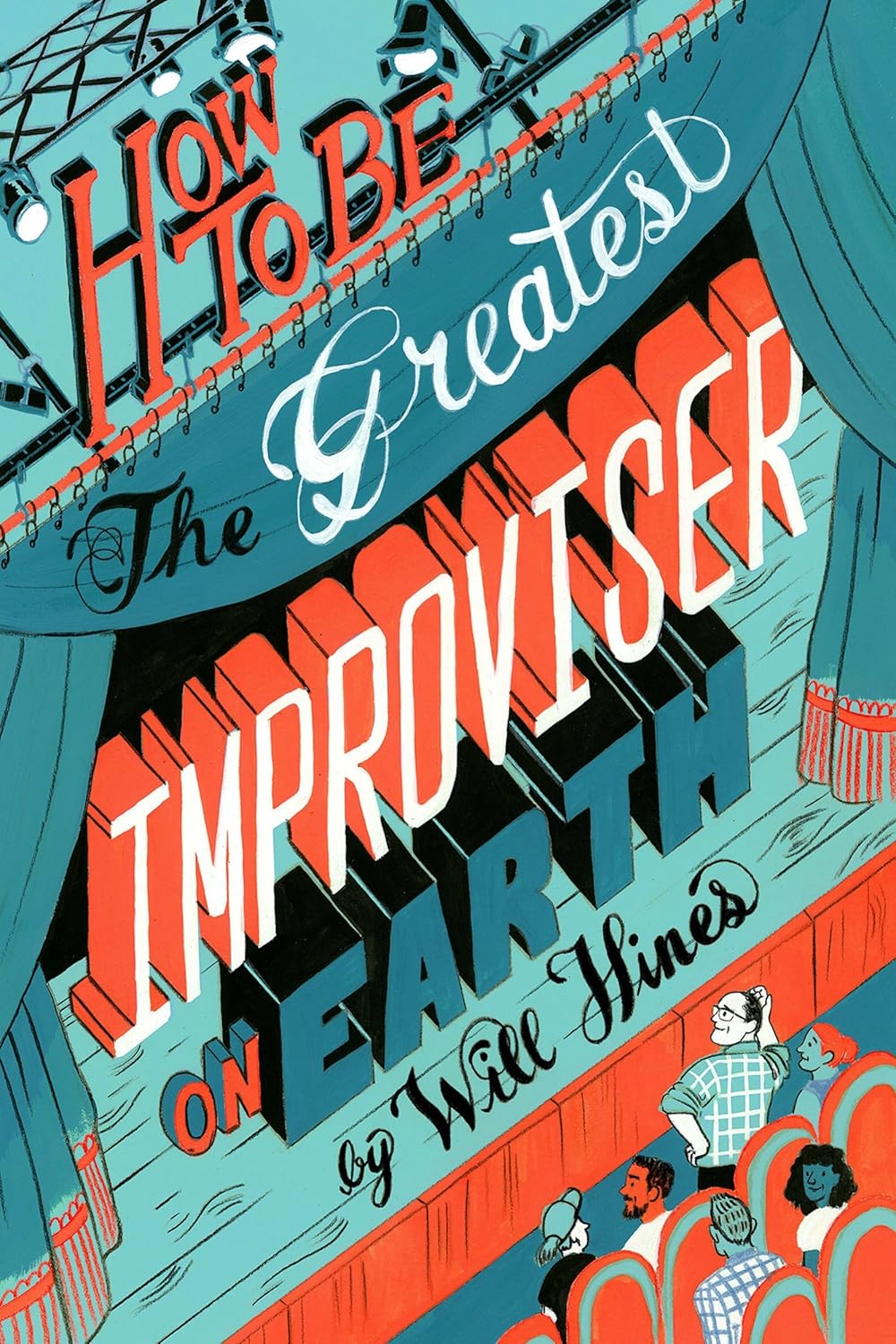
How to Be the Greatest Improviser on Earth
Will Hines (2016)
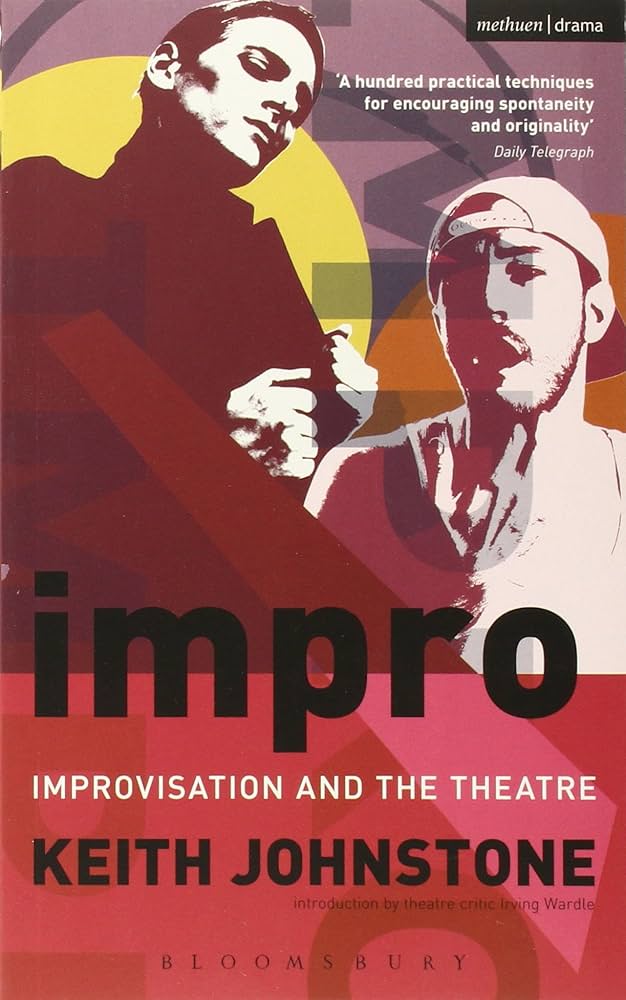
Impro
Improvisation and the Theatre
Keith Johnstone (1987)

Impro for Storytellers
Keith Johnstone (1999)

The Improv Handbook
The Ultimate Guide to Improvising in Comedy, Theatre, and Beyond
Tom Salinsky; Deborah Frances-White (2008)

Improvisation at the Speed of Life
The TJ & Dave Book
T.J. Jagodowski; David Pasquesi; Pam Victor (2015)
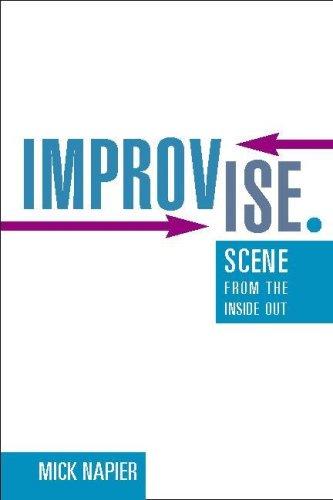
Improvise
Scene from the Inside Out
Mick Napier (2004)
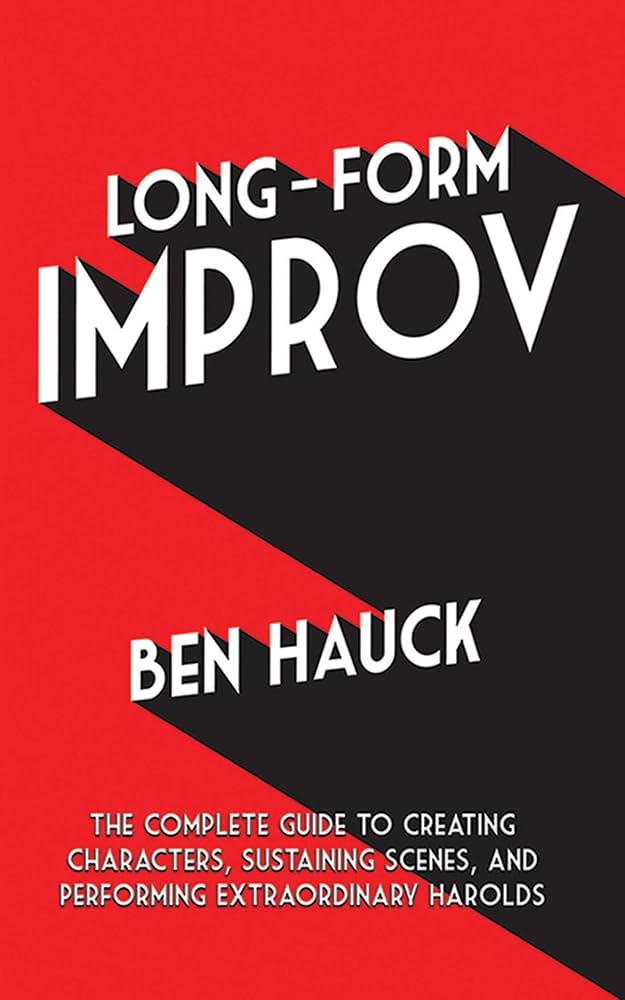
Long-Form Improv
The Complete Guide to Creating Characters, Sustaining Scenes, and Performing Extraordinary Harolds
Ben Hauck (2012)
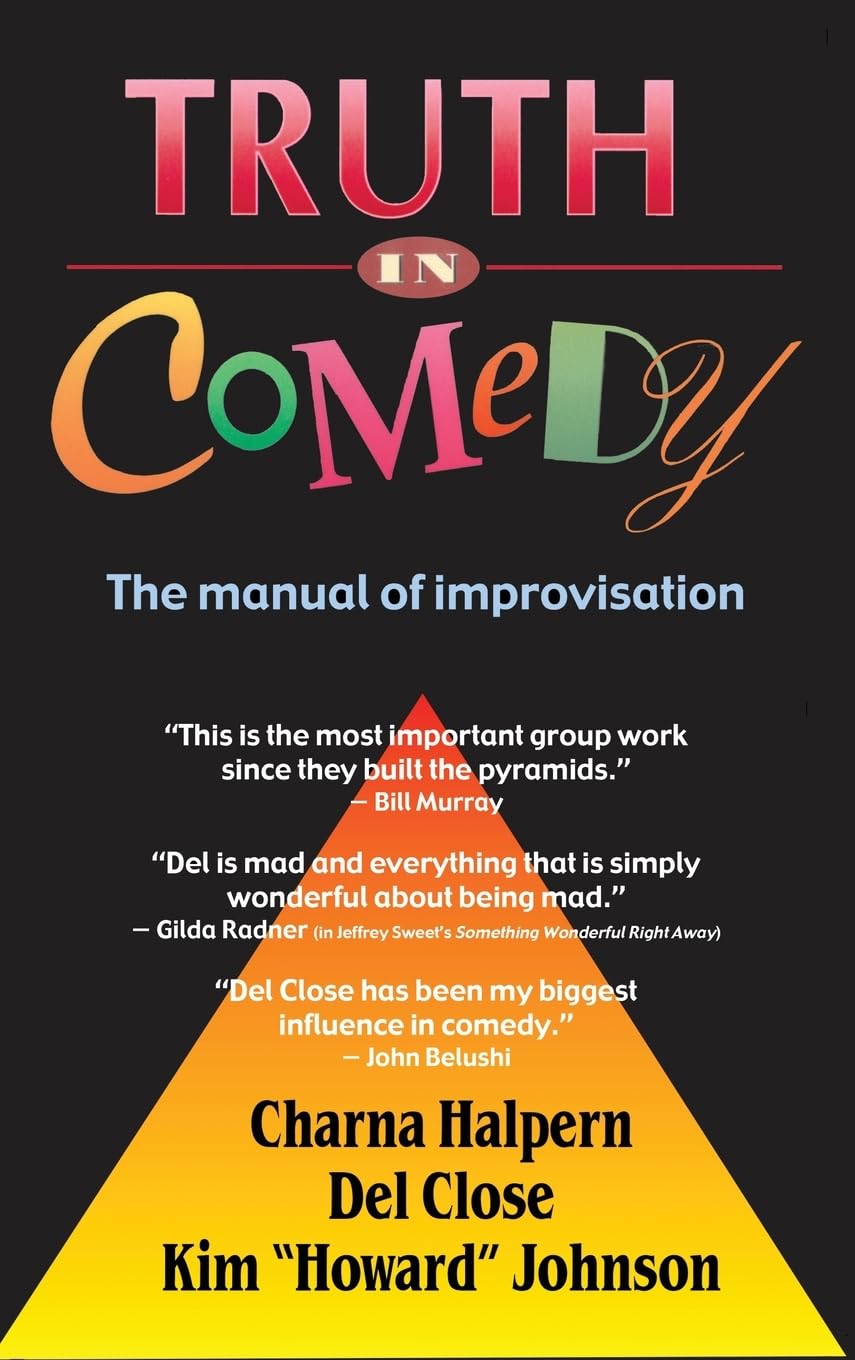
Truth in Comedy
The Manual of Improvisation
Charna Halpern; Del Close; Kim Howard Johnson (1994)
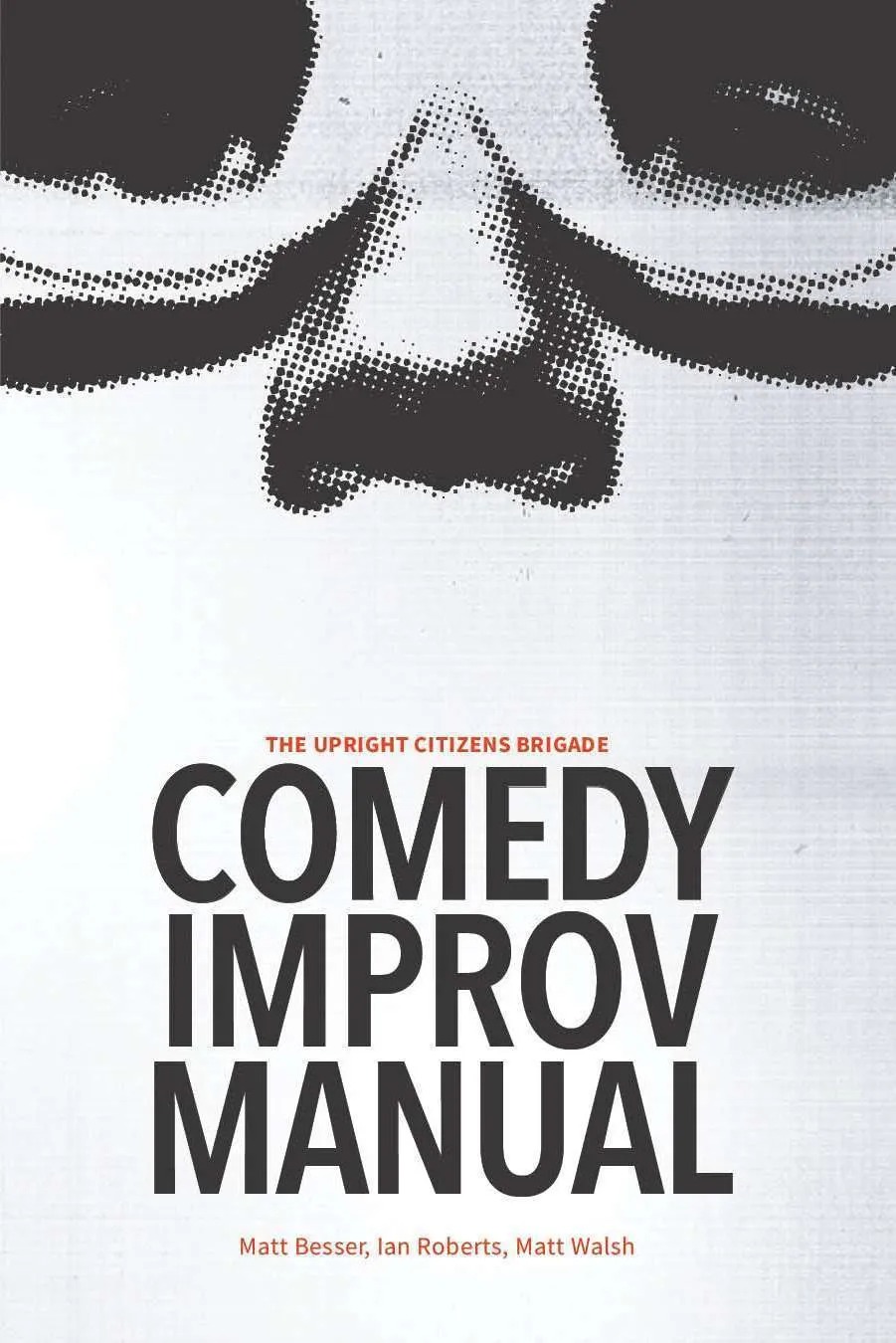
The Upright Citizens Brigade Comedy Improvisation Manual
Matt Besser; Ian Roberts; Matt Walsh (2013)
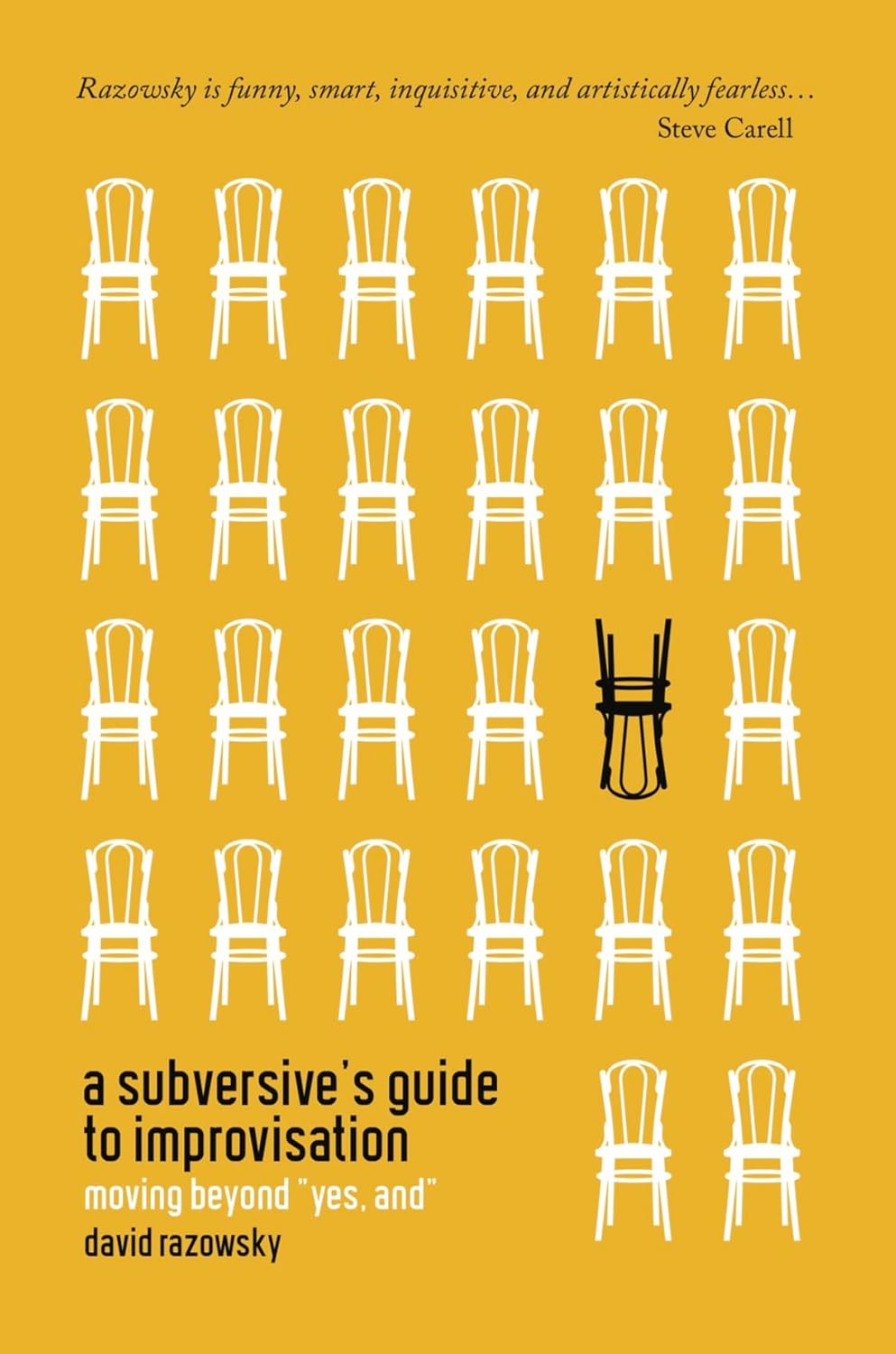
A Subversive's Guide to Improvisation
Moving Beyond "Yes, and"
David Razowsky (2022)
Continue Exploring
Performing is one discipline within improvisation. Explore the others.
Teaching
Workshop design, curriculum structure, warm-ups, and creating the conditions where spontaneity becomes possible.
Directing
Shaping shows from the wings, side-coaching, and guiding an ensemble through long-form.
Coaching
Building ensemble chemistry, giving notes that land, and developing a team's unique voice.