Coaching Improv Teams
Building ensemble chemistry takes more than rehearsal hours. How to give notes that land, develop a team's unique voice, and navigate the group dynamics that make or break a troupe.
The Coach's Job
Coaching an improv team is fundamentally different from teaching a class. A teacher introduces skills to students who may never see each other again after the session ends. A coach works with the same group of people over months or years, building trust, developing a shared vocabulary, and shaping a collective artistic identity. The relationship is ongoing, evolving, and deeply personal. A coach who treats every rehearsal like a drop-in workshop will never build an ensemble.
The coach must balance two competing priorities: individual development and ensemble cohesion. Every player has weaknesses to address and strengths to cultivate, but the team's needs always come first. A brilliant individual improviser who consistently steamrolls scenes is a coaching problem, not a talent problem. The coach's job is to make the group function as something greater than the sum of its parts, to create a shared mind that thinks faster and more generously than any single player could alone.
Charna Halpern coached teams at iO Chicago for decades, and her approach illustrates the long-game nature of the work. She did not simply run exercises and give notes. She selected players, shaped rosters, mediated conflicts, and held the artistic vision for each team even as individual members came and went. The best coaches understand that they are not just running rehearsals. They are building a culture.
Giving Notes
Be Specific
Notes like “that was good” or “be more present” are useless. They sound supportive but give the player nothing to act on. Good notes reference specific moments: “In the second scene, when you made that choice about the dog, it gave your partner something concrete to build on.”
Specificity builds trust. When players know their coach is actually watching, not just offering generic encouragement, they listen harder.
Note the Pattern, Not the Instance
One dropped initiation is a moment. Three dropped initiations in one show is a pattern. Coaches look for recurring tendencies, not individual mistakes. Pointing out a single error can feel like nitpicking. Identifying a pattern gives the player a meaningful area to work on.
The same applies to strengths. When a player consistently finds the emotional center of scenes, naming that pattern reinforces it.
Timing Matters
Give notes after the show, not during. Let the performance settle. The adrenaline of a show makes players defensive and reactive; they are more likely to justify choices than absorb feedback.
Some coaches wait until the next rehearsal so the notes land on fresh minds rather than defensive ones. Others give brief notes immediately but save the deeper conversation for later. Find the rhythm that works for your team.
Building Ensemble Chemistry
Ensemble chemistry is built through shared experience, trust, and a willingness to make each other look good. It cannot be forced or manufactured. Two players who have performed together for years develop an almost telepathic shorthand: they know each other's rhythms, tendencies, and comfort zones so well that they can anticipate moves before they happen. This is not magic. It is the accumulated result of hundreds of scenes, hundreds of failures, and the slow construction of mutual respect.
The coach creates conditions for this chemistry through exercises that demand real listening and mutual support. Games that require physical synchronization, shared storytelling, and group agreement force players to stop performing solo and start performing together. The coach watches for moments of genuine connection, when two players lock in and build something neither could have created alone, and names those moments so the team understands what it looks like when the ensemble is working.
Recommended Reading
Books on ensemble dynamics, team development, and the art of coaching improvisers toward collective excellence.
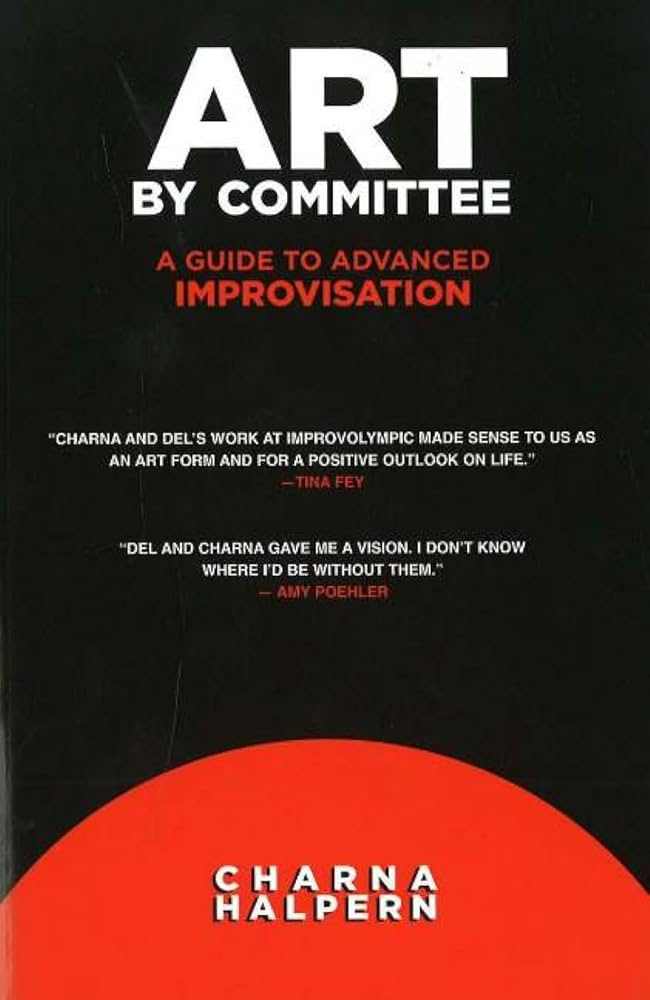
Art by Committee
A Guide to Advanced Improvisation
Charna Halpern (2006)

Group Improvisation
The Manual of Ensemble Improv Games
Peter Campbell Gwinn; Charna Halpern (2003)
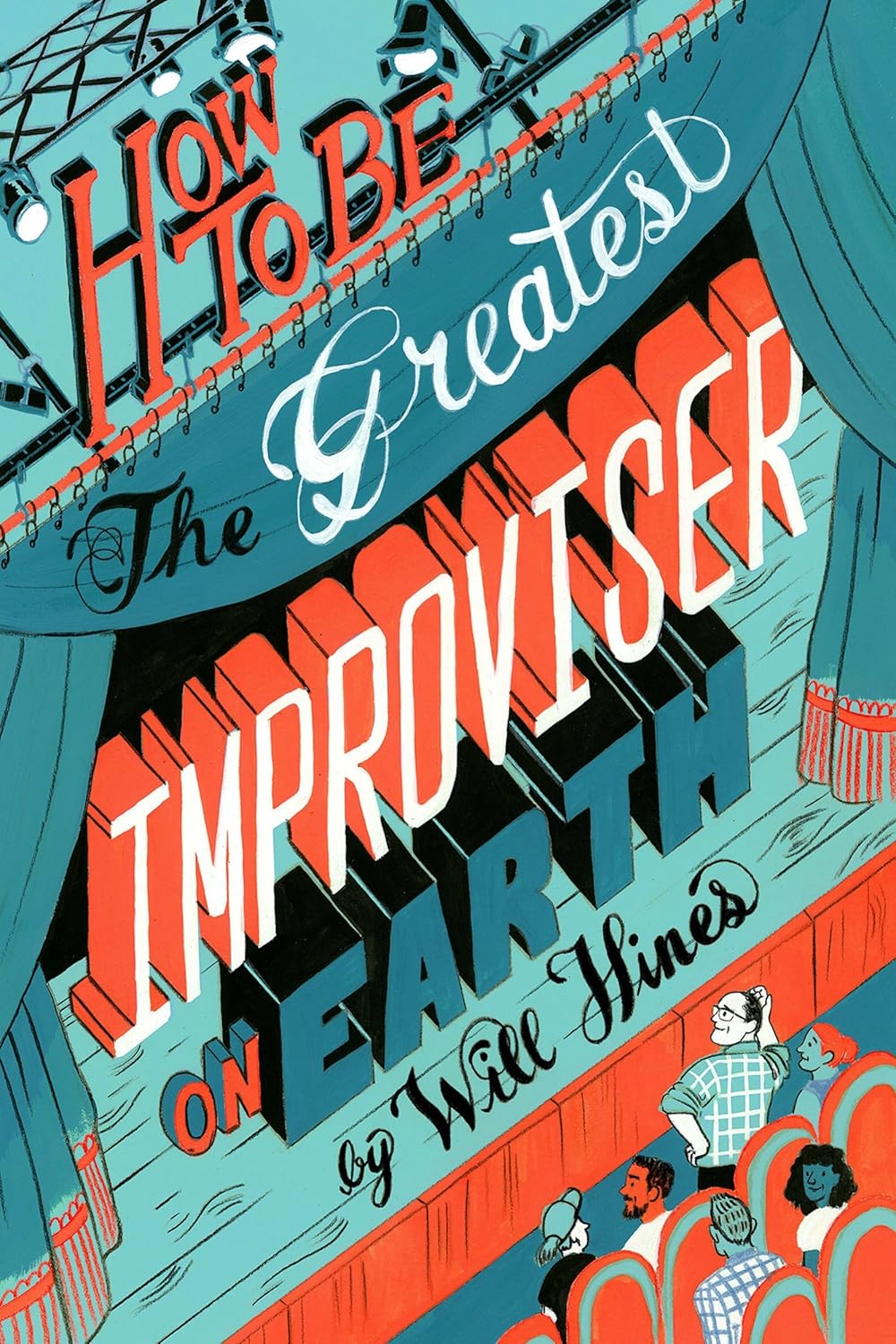
How to Be the Greatest Improviser on Earth
Will Hines (2016)

Improvisation at the Speed of Life
The TJ & Dave Book
T.J. Jagodowski; David Pasquesi; Pam Victor (2015)
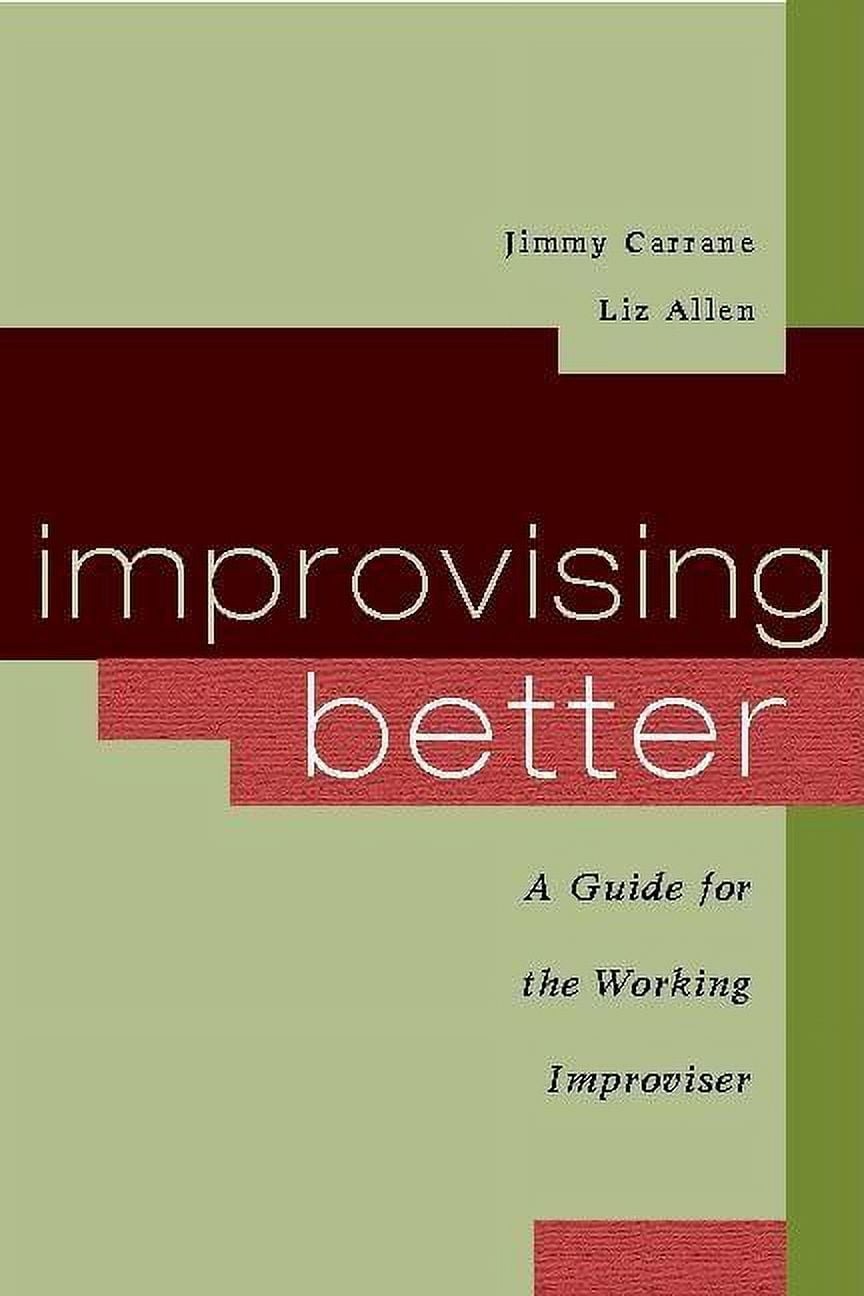
Improvising Better
A Guide for the Working Improviser
Jimmy Carrane (2019)
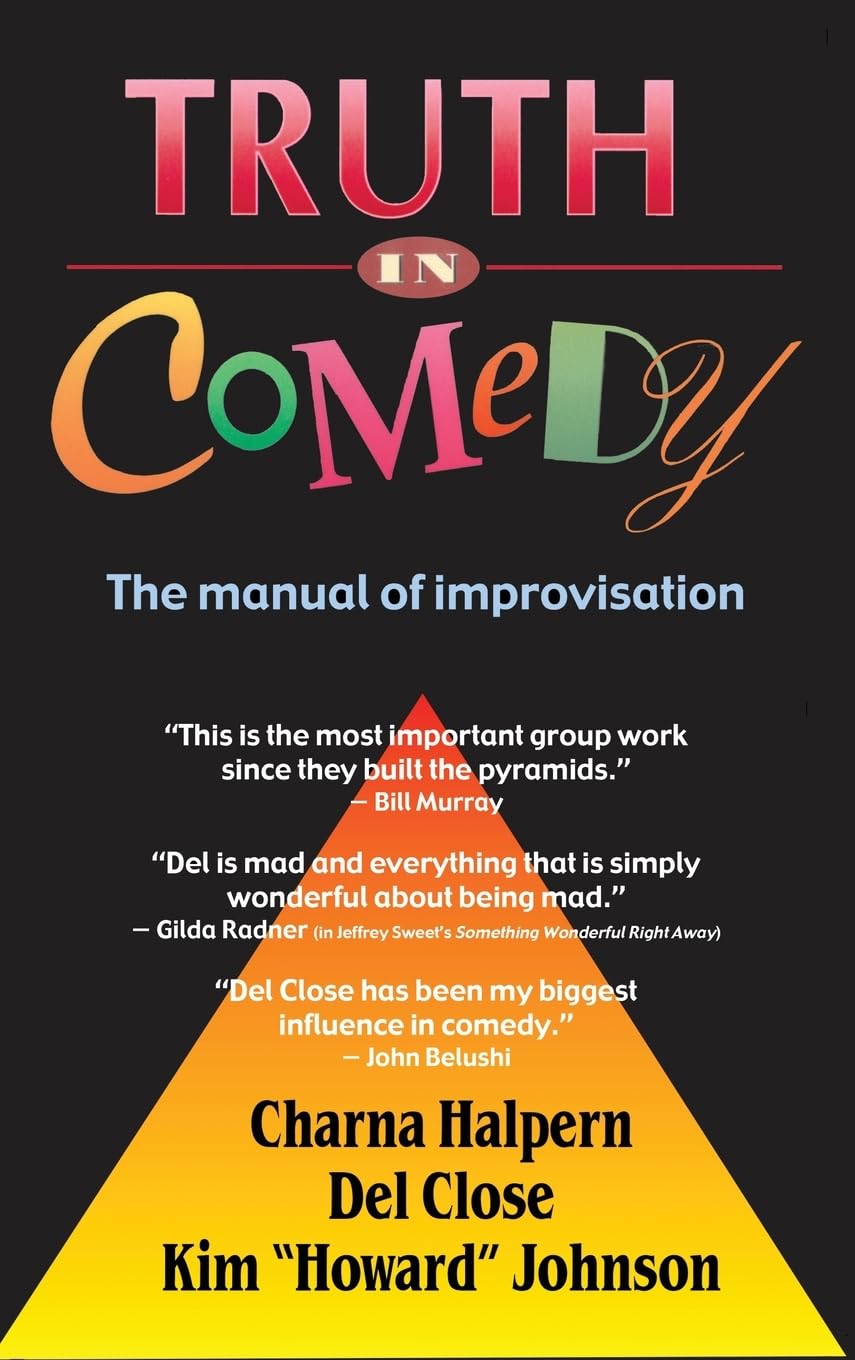
Truth in Comedy
The Manual of Improvisation
Charna Halpern; Del Close; Kim Howard Johnson (1994)
Pirate Robot Ninja
An Improv Fable
Billy Merritt; Will Hines (2019)
Process: An Improviser's Journey
Mary Scruggs; Michael J. Gellman (2008)
Continue Exploring
Coaching is one discipline within improvisation. Explore the others.
Teaching
Workshop design, curriculum structure, warm-ups, and creating the conditions where spontaneity becomes possible.
Directing
Shaping shows from the wings, side-coaching, and guiding an ensemble through long-form.
Performing
Scene initiation, character commitment, finding the game, and what separates good from great.