Directing Improvisation
The art of shaping a show from the wings. Side-coaching, managing energy, calling edits, and guiding an ensemble through long-form structures without stepping on stage.
The Director's Paradox
The improv director occupies a role unlike anything else in the performing arts. A theatre director working from a script has weeks of rehearsal to shape blocking, pacing, and interpretation. A film director can call for another take. The improv director has none of these luxuries. They must guide a show in real time, reading the energy of both the performers and the audience, making split-second decisions about when to intervene and when to stay silent, all while remaining invisible.
Del Close, Charna Halpern, and Mick Napier each embodied radically different approaches to this work. Close directed through philosophy and provocation, pushing ensembles toward thematic depth and intellectual ambition. Halpern emphasized support and connection, building trust that allowed performers to take enormous risks. Napier stripped away rules entirely, directing with an instinct for what a scene needed in the moment rather than what any textbook prescribed. What they shared was an understanding that the director's job is to create the conditions for great work, not to produce it directly.
This is the paradox at the heart of directing improvisation: you must care deeply about the outcome while surrendering control of it. You must know every structure, every editing pattern, every way a scene can go wrong, and then sit in the wings and let your ensemble find their own way through. The best direction often looks like no direction at all.
Side-Coaching
During Performance
Side-coaching during a live show is surgical: minimal, precise, and invisible to the audience. The director watches for energy drops, scenes that have found their game but are running past it, and moments where a sweep or a tag would serve the show better than letting things continue. Knowing when to call an edit is as much about rhythm as content: a scene that is still getting laughs may still need to end if the larger structure demands it.
Managing time is the director's most concrete responsibility. A Harold that runs forty-five minutes when it should run thirty has almost certainly lost the audience. The director tracks beats, ensures each section gets its weight, and makes the hard call to move on when a scene is beloved by the performers but not serving the whole.
During Rehearsal
Rehearsal gives the director far more latitude. Here, they can stop scenes mid-sentence, give notes in the moment, redirect energy before a bad habit calcifies. The goal of rehearsal side-coaching is not to fix performances but to build habits, training the ensemble to recognize patterns, self-edit, and support each other without being told.
A good rehearsal director makes themselves progressively unnecessary. Early in a team's development, they may stop scenes constantly. Over weeks and months, the interruptions decrease as the ensemble internalizes the director's instincts. The ultimate compliment to a director is a team that runs a flawless show without needing a single note from the wings.
Show Structures
A director must understand the architecture of the format being performed. Each structure has its own internal logic: its own rules for when scenes begin and end, how themes recur, and what the audience experience should feel like. Directing a Harold requires a different sensibility than directing a La Ronde or a Spokane. The director's job is to hold the shape of the format in mind so the performers can focus on the content.
Formats in the Archive
Browse all formats →Recommended Reading
Essential texts on directing and shaping improvised performance, from the technical craft of calling edits to the philosophy of ensemble guidance.
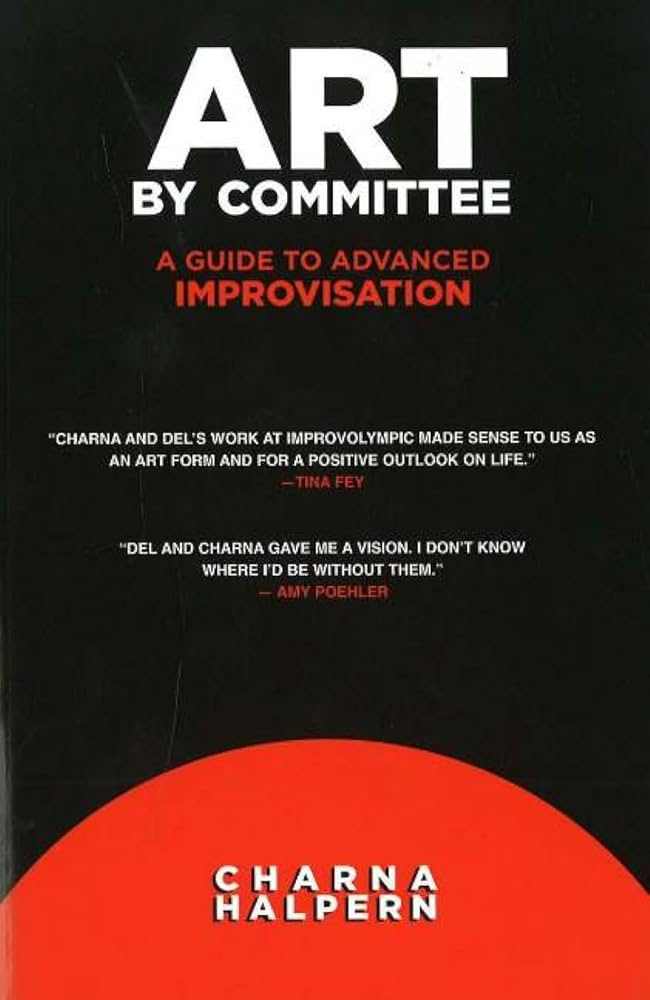
Art by Committee
A Guide to Advanced Improvisation
Charna Halpern (2006)
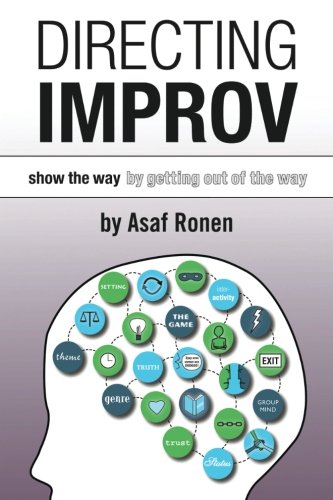
Directing Improv
Asaf Ronen (2005)
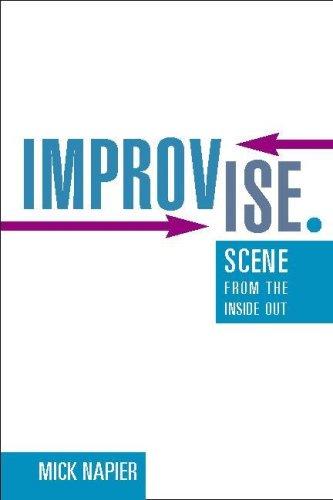
Improvise
Scene from the Inside Out
Mick Napier (2004)
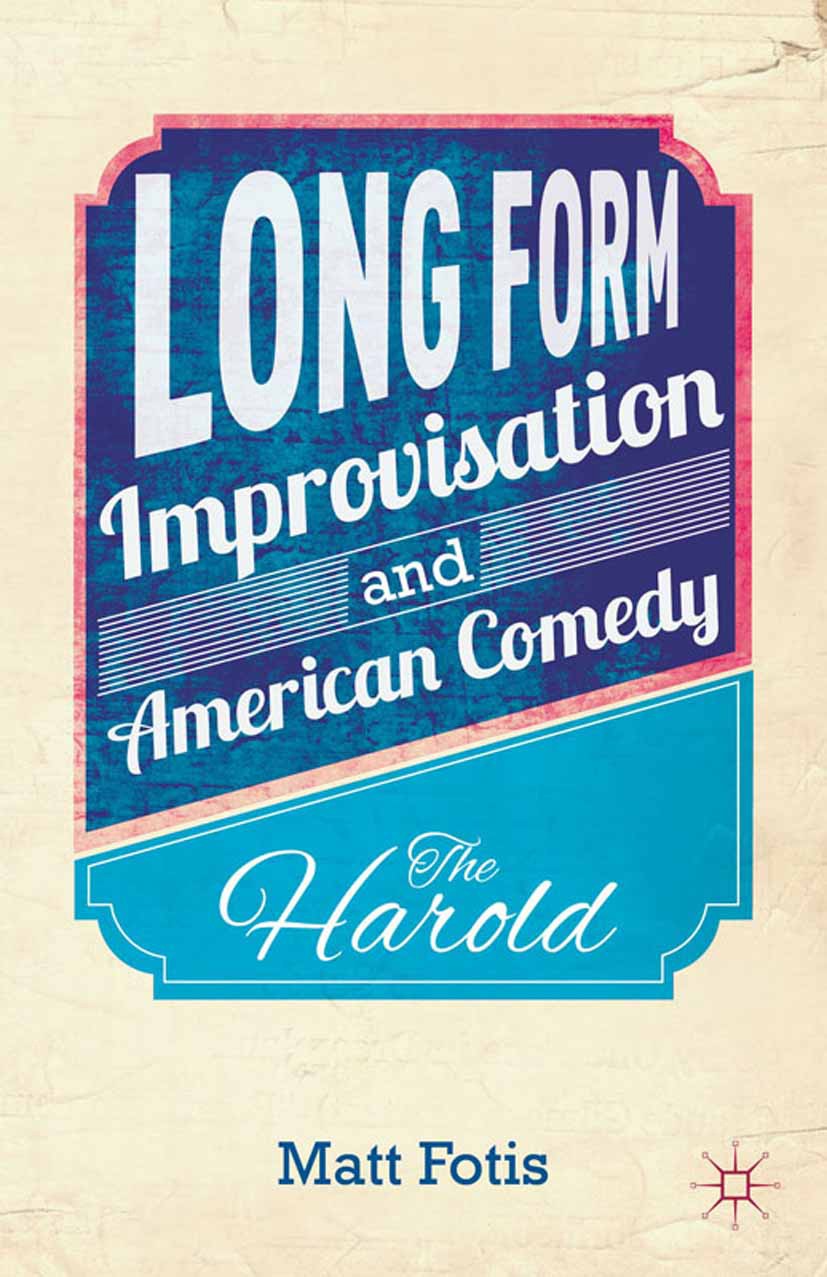
Long Form Improvisation and American Comedy
The Harold
Matt Fotis (2014)
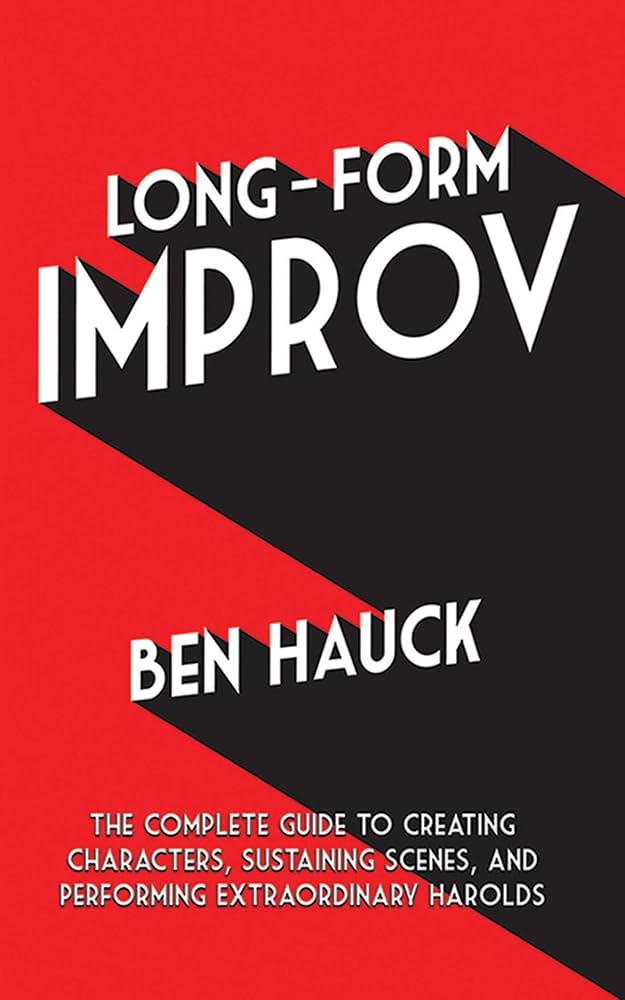
Long-Form Improv
The Complete Guide to Creating Characters, Sustaining Scenes, and Performing Extraordinary Harolds
Ben Hauck (2012)

Behind the Scenes
Improvising Long Form
Mick Napier (2015)
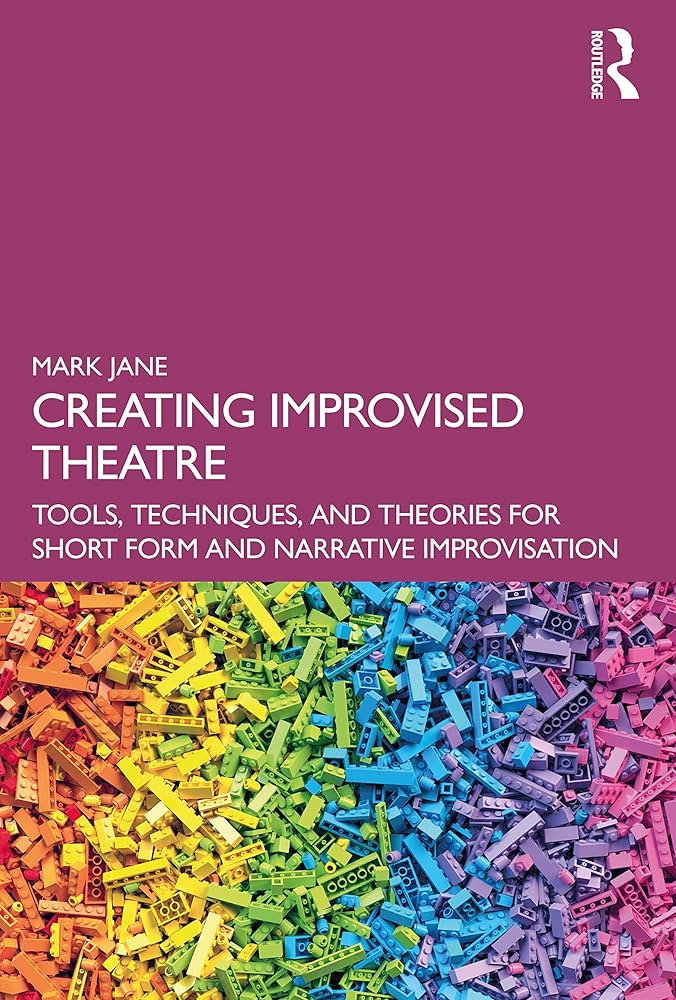
Creating Improvised Theatre
Tools, Techniques, and Theories
Mark Jane (2021)
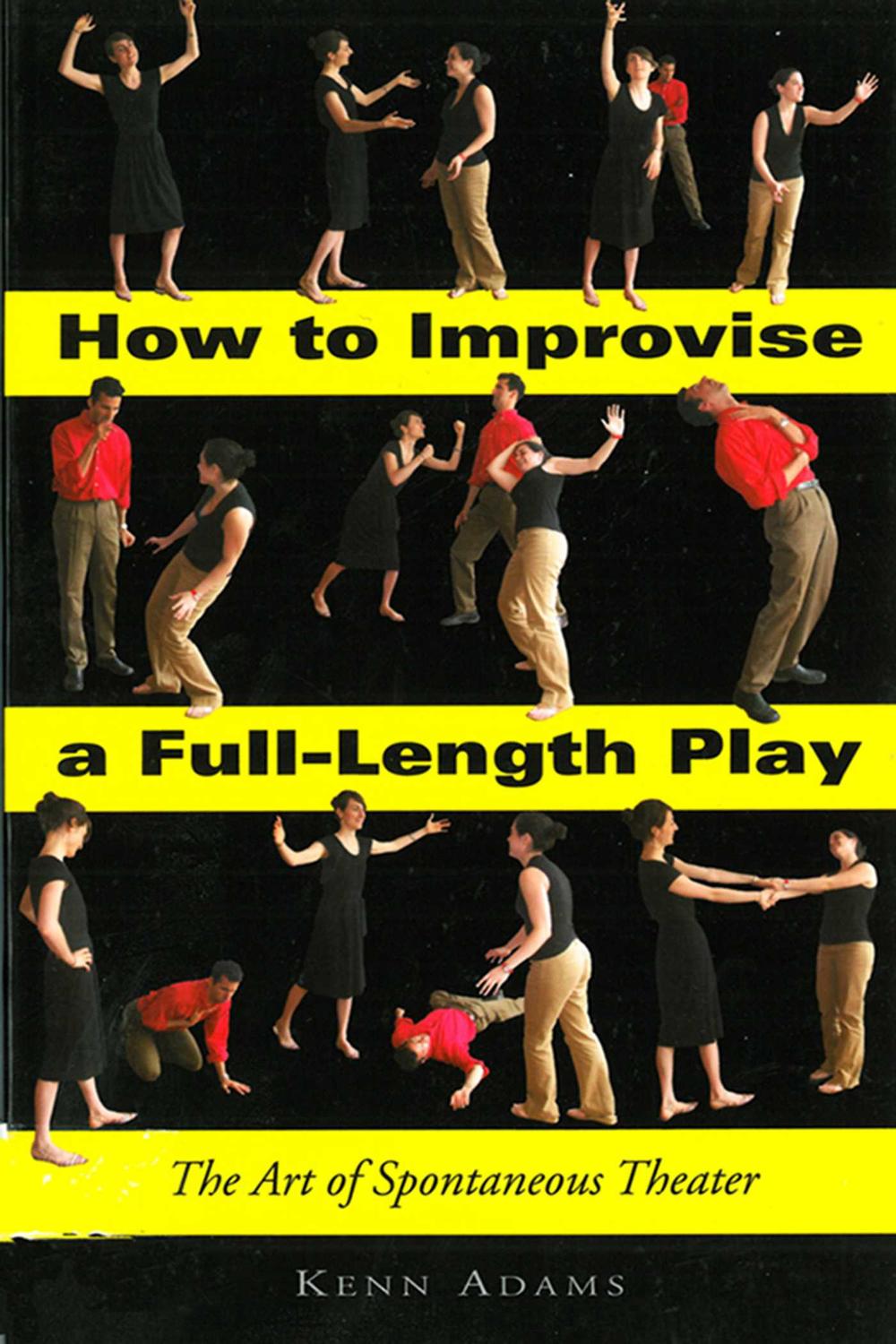
How to Improvise a Full-Length Play
The Art of Spontaneous Theater
Kenn Adams (2007)
Continue Exploring
Directing is one discipline within improvisation. Explore the others.
Teaching
Workshop design, curriculum structure, warm-ups, and creating the conditions where spontaneity becomes possible.
Coaching
Building ensemble chemistry, giving notes that land, and developing a team's unique voice.
Performing
Scene initiation, character commitment, finding the game, and what separates good from great.