The Applied Improvisation Mindset
Tools for Transforming Individuals, Organizations, and Communities
Applied Improvisation: Mindset and Tools for Transforming Individuals, Organizations, and Communities, edited by Theresa Robbins Dudeck and Caitlin McClure, is a rigorous and highly articulate collection of scholarly essays that explore the hidden history and the systemic logic of spontaneous creation in the professional world. Published in 2024, the book challenges the traditional view of organizational management as purely prescriptive or planned. Instead, it demonstrates that improvisation is a central and highly valued competency for navigating the Volatile, Uncertain, Complex, and Ambiguous (VUCA) environment of 21st-century business. The editors gather a diverse range of voices from academia, business, and the arts to argue that the skills of the improviser—listening, adaptation, and collaborative creativity—are not just theatrical techniques, but essential human survival skills.
The work is organized by organizational domain, with contributors examining the performative logic of leadership, teamwork, innovation, and crisis management. The Theory section is particularly noted for its focus on Neuroplasticity and Cognitive Load, showing how the habits of high-level improvisers (being present, listening deeply, and supporting partners) are the same habits required for effective organizational adaptation. The Practice section looks at the development of Applied Improv in the corporate world, demonstrating how professional ensembles are using unscripted techniques to build trust, foster innovation, and manage communication within the cubicle and the boardroom. Case studies range from disaster relief teams to medical training programs, illustrating the universal applicability of the improv mindset.
The text is highly academic and interdisciplinary, weaving together management science, performance studies, and cultural history. It provides a much-needed historical and theoretical context for the Applied Improv movement, showing that improvisation has a long and sophisticated history as a major site for organizational and aesthetic innovation. Applied Improvisation serves as an essential reference for any scholar or serious practitioner who wants to understand the deep roots of their professional practice and the cultural logic of the unscripted moment. It elevates the conversation around applied improv from simple ice-breakers to a serious discipline of organizational change.
Key Concepts
The study of improvisation not as a game, but as a primary mode of artistic creation and human interaction throughout history.
Techniques for using improvisational logic to navigate the Volatile, Uncertain, Complex, and Ambiguous (VUCA) environment of modern business.
Understanding the brain states associated with high-stakes improvisation and how they enhance learning and retention.
Ensuring that improv tools are used responsibly and safely in non-theatrical environments.
Managing the unexpected events of business life as opportunities for justification, adaptation, and collective growth.
Who Benefits from Reading this Book
Individuals seeking a rigorous and comprehensive history and theory of unscripted theater making.
Those seeking high-impact, active learning tools for leadership and soft-skills development workshops.
Individuals who must be intensely aware and responsive in unscripted high-stakes environments.
Individuals seeking a primary reference text for the study of spontaneity and its social effects.
Reception & Legacy
Applied Improvisation has been hailed as a cornerstone and essential text for the study of the improvisational arts in the professional world. Critics praise the editors for their meticulous research and for their success in weaving disparate movements into a cohesive narrative. The book is frequently described as a game-changer for the field, documenting connections and stories that were previously only part of oral tradition. It is regarded as an indispensable resource for any library dedicated to contemporary management studies and the history of creativity.
Related Reading
See all books →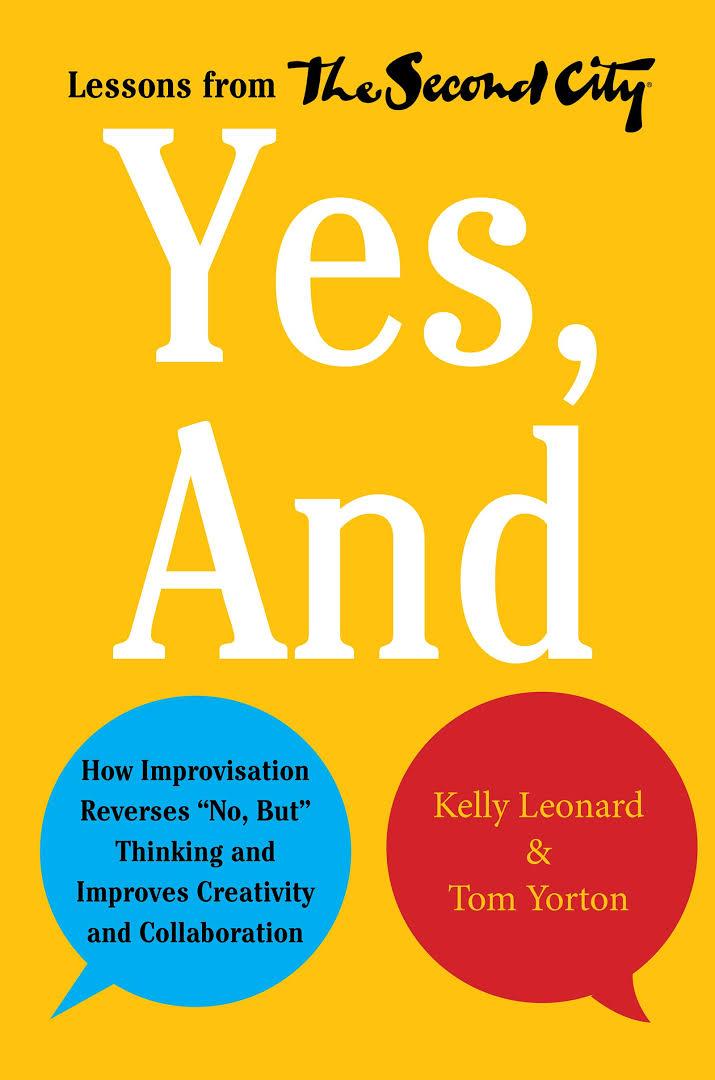
Yes, And
How Improvisation Reverses No, But Thinking and Improves Creativity and Collaboration
Kelly Leonard; Tom Yorton

The Improv Mindset
Change Your Brain. Change Your Business.
Gail Montgomery; Bruce T. Montgomery

The Routledge Companion to Improvisation in Organizations
Miguel Pina e Cunha; Dusya Vera; António Cunha Meneses

Applied Improvisation
Leading, Collaborating, and Creating Beyond the Theatre
Theresa Robbins Dudeck; Caitlin McClure
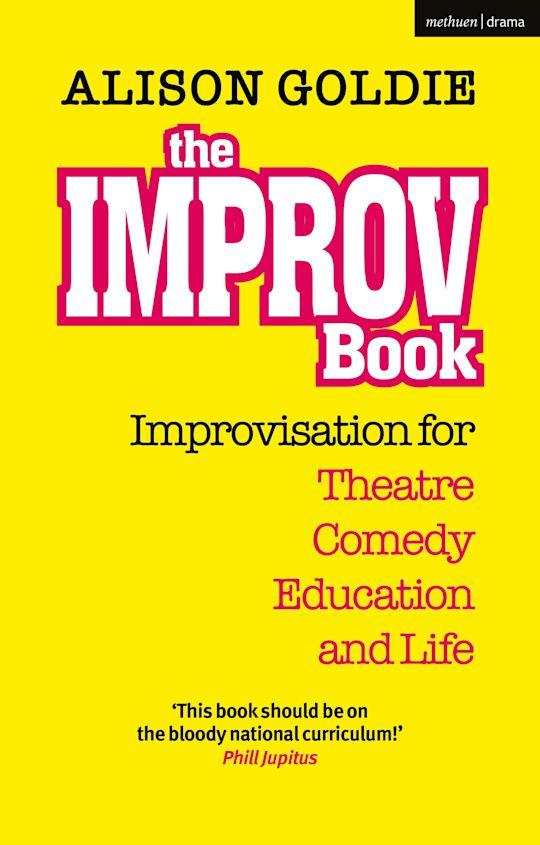
The Improv Book
Improvisation for Theatre, Comedy, Education, and Life
Alison Goldie

Improvisation in Drama, Theatre and Performance
History, Practice, Theory
Anthony Frost; Ralph Yarrow
About This Book
How to Reference This Page
The Improv Archive. (2026). The Applied Improvisation Mindset. Retrieved March 17, 2026, from https://improvarchive.org/books/applied-improvisation-mindset-tools-for-transforming-individuals-organizations-and-communities
The Improv Archive. "The Applied Improvisation Mindset." The Improv Archive, 2026. https://improvarchive.org/books/applied-improvisation-mindset-tools-for-transforming-individuals-organizations-and-communities.
The Improv Archive. "The Applied Improvisation Mindset." The Improv Archive, 2026, https://improvarchive.org/books/applied-improvisation-mindset-tools-for-transforming-individuals-organizations-and-communities. Accessed March 17, 2026.
The Improv Archive is a systemically maintained repository. The archive itself acts as the corporate author.