Process: An Improviser's Journey
Mary Scruggs and Michael J. Gellman's Process: An Improviser's Journey is a unique, narrative-driven exploration of the training process at the legendary Second City in Chicago. Published in 2008, the book follows a fictionalized composite student named Dave as he progresses through the year-long conservatory program. This narrative device allows the authors to show, rather than tell, the emotional and technical journey of the improviser. We see Dave struggle with his ego, fail in scenes, bond with his ensemble, and ultimately discover the power of letting go. Gellman, a veteran Second City director, and Scruggs, a beloved teacher, use this story to illuminate the specific pedagogy of the Chicago School: focusing on relationship, environment, and the slow discovery of truth over the quick pursuit of jokes.
The work is organized around the levels of the curriculum, from the initial focus on Yes, And and Object Work to the advanced explorations of Character and Scenic Structure. Each chapter blends the narrative of Dave's class with direct commentary and analysis from the authors. The book is particularly noted for its focus on The Ensemble Dynamic, portraying the messy, often painful process of a group of strangers learning to trust one another. It demystifies the idea of talent, showing that improv is a skill earned through repetition, failure, and the willingness to be vulnerable. The authors emphasize that the goal is not to be funny, but to be real, and that the comedy is a byproduct of the honest interaction between characters.
The text is written in a warm, accessible, and deeply human voice. It captures the specific flavor of the Chicago comedy scene—the gritty classrooms, the late-night rehearsals, and the fierce dedication of the students. Process serves as a vital guide for anyone currently in an improv class or considering taking one. It offers a roadmap for the emotional highs and lows of the training, validating the student's experience and offering wise counsel on how to stay the course. It remains a beloved classic for its ability to capture the heart of the improvisational life.
Key Concepts
Understanding the stepped pedagogical approach of the Second City training center.
The psychological stages of a group moving from politeness to conflict to true collaboration.
The belief that authentic emotional reactions are the engine of high-level performance rather than clichés or joking.
The pivotal moment in training when a student stops trying to write sketches and starts living the scene.
The philosophy of surrendering to the training and the group mind, even when progress feels invisible.
Who Benefits from Reading this Book
Those currently enrolled in classes who want to understand the roadmap of their own development.
Readers curious about how comedians are actually trained.
Educators looking for a model of how to structure long-term artistic growth.
Artists interested in the collaborative creative process.
Reception & Legacy
Process is beloved by students and teachers alike for its relatable narrative and its compassionate tone. Reviewers often mention that reading it feels like having a supportive mentor by your side. While it is less of a technical manual than Spolin or Johnstone, its value lies in its honest depiction of the internal struggle of the artist. It is frequently recommended as the first book a new improviser should read to prepare them for the journey ahead.
Connections
- authorMary Scruggs
Related Reading
See all books →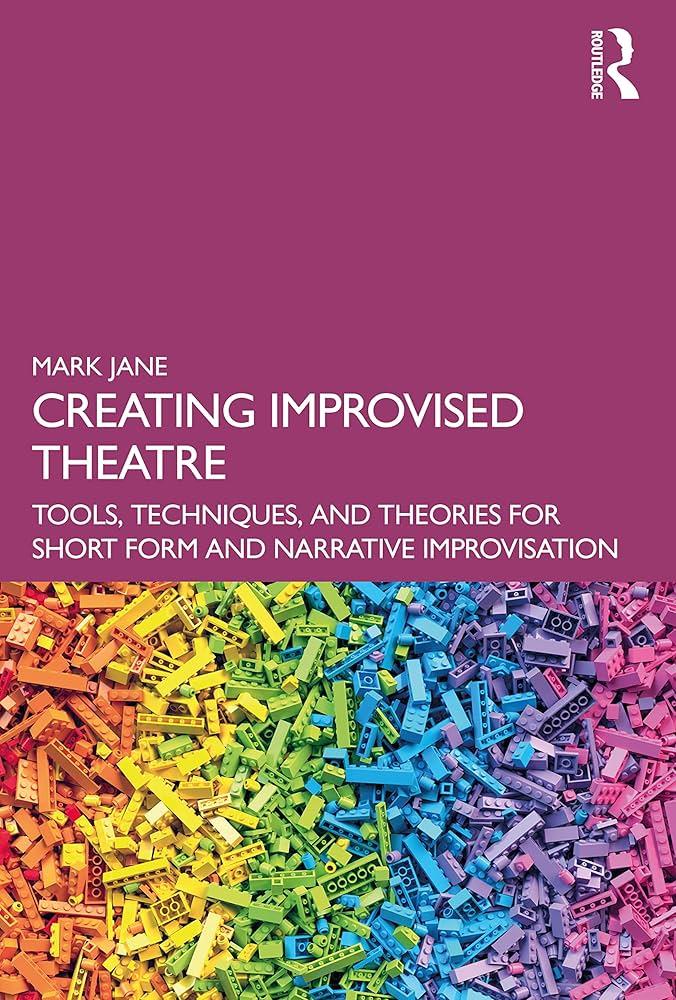
Creating Improvised Theatre
Tools, Techniques, and Theories
Mark Jane

You Can Teach Improv (Yes, You!)
The Ultimate Guide to Class Planning, Skill Building, and Helping Every Student Leave With a Win
Andrew Berkowitz

Pirate Robot Ninja
An Improv Fable
Billy Merritt; Will Hines
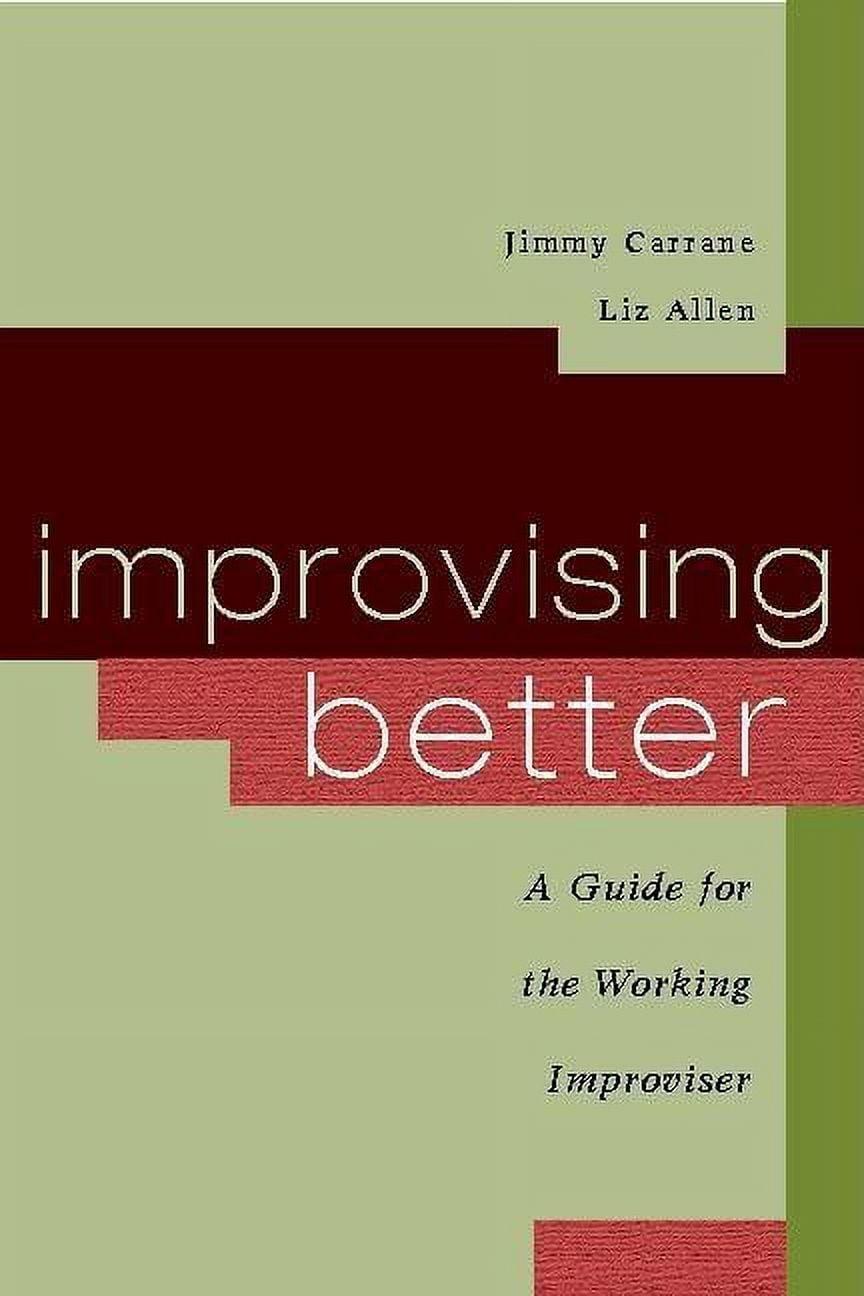
Improvising Better
A Guide for the Working Improviser
Jimmy Carrane

Impro
Improvisation and the Theatre
Keith Johnstone
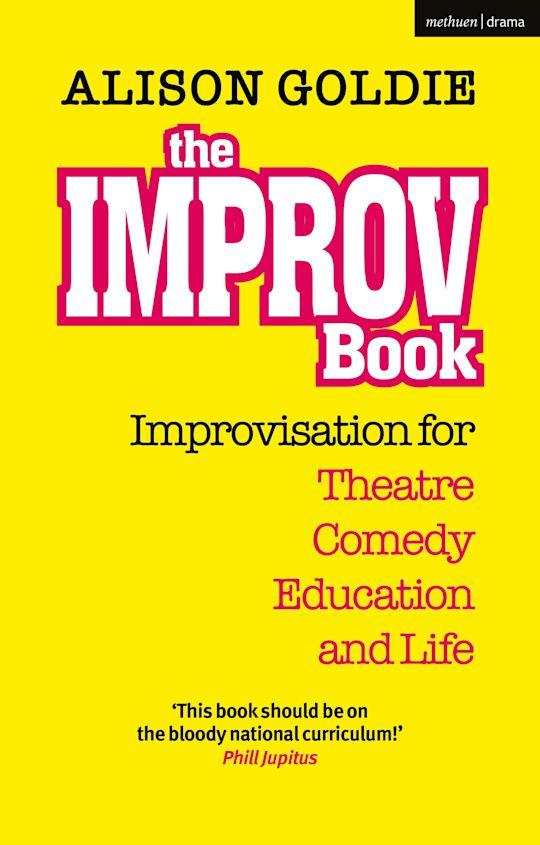
The Improv Book
Improvisation for Theatre, Comedy, Education, and Life
Alison Goldie
About This Book
How to Reference This Page
The Improv Archive. (2026). Process: An Improviser's Journey. Retrieved March 17, 2026, from https://improvarchive.org/books/process-an-improviser-s-journey
The Improv Archive. "Process: An Improviser's Journey." The Improv Archive, 2026. https://improvarchive.org/books/process-an-improviser-s-journey.
The Improv Archive. "Process: An Improviser's Journey." The Improv Archive, 2026, https://improvarchive.org/books/process-an-improviser-s-journey. Accessed March 17, 2026.
The Improv Archive is a systemically maintained repository. The archive itself acts as the corporate author.