Alliterations
Alliterations is a verbal constraint exercise in which players construct sentences, tell stories, or carry on conversations using words that all begin with the same letter. The restriction sharpens verbal agility, expands vocabulary under pressure, and demands creative commitment in real time.
Structure
Setup
Players sit or stand in a circle or in pairs. The facilitator assigns a letter, or players take turns picking one.
Progression
On the facilitator's cue, players speak using only words beginning with the assigned letter. In a circle format, each player adds a word or phrase to build a shared sentence. In a pair or small-group format, players carry on a short scene or exchange in character using only alliterative words.
Numbers, articles, and prepositions may be allowed as exceptions to keep speech flowing. The facilitator decides whether small exceptions are permitted before starting.
Harder letters (X, Z, Q) work well for short rounds and produce faster failures than common letters; easier letters (S, M, T) allow longer exchanges and more comfortable character work.
Conclusion
Round ends when the sentence collapses, a player stumbles, or the facilitator calls time. Rotate letters and repeat.
How to Teach It
How to Explain It
"Every word you say has to start with the letter [letter]. You can take a breath and think, but keep the energy going. We're building a sentence together, one word at a time."
Objectives
This exercise trains verbal flexibility, risk tolerance around unusual word choices, and commitment to a self-imposed constraint.
Scaffolding
Begin with common letters (S, T, M) before moving to harder letters (X, Q, Z). Allow more processing time in early rounds; reduce it as the group gains confidence.
Common Notes
"Don't freeze. A weird word that starts with the right letter is better than a long silence."
Common Pitfalls
Players tend to stall when they cannot find a perfect word. Encourage imperfect choices over hesitation: the exercise is about commitment and verbal play, not vocabulary breadth.
Worth Reading
See all books →
Improv Ideas
A Book of Games and Lists
Mary Ann Kelley; Justine Jones

Acting Through Improv
Improv Through Theatresports
Lynda Belt; Rebecca Stockley
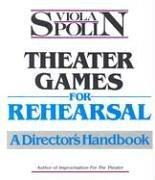
Theater Games for Rehearsal
Viola Spolin

Group Improvisation
The Manual of Ensemble Improv Games
Peter Campbell Gwinn; Charna Halpern

Pirate Robot Ninja
An Improv Fable
Billy Merritt; Will Hines
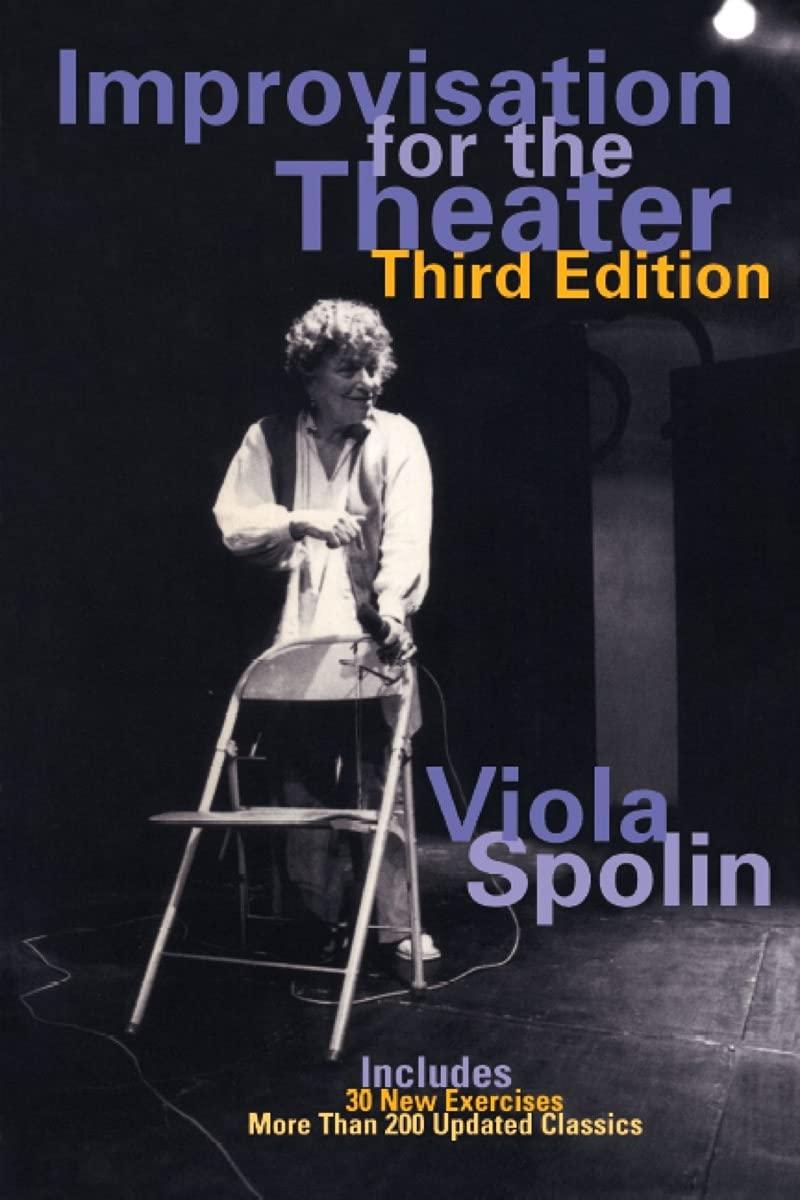
Improvisation for the Theater
A Handbook of Teaching and Directing Techniques
Viola Spolin
Related Exercises
Last Letter
Last Letter is a verbal agility exercise in which each player must begin their word or sentence with the last letter of the previous player's word or sentence. The constraint forces constant attention to word endings and beginnings, preventing performers from pre-planning their responses. The exercise trains verbal awareness, the ability to think and speak simultaneously, and the habit of listening all the way to the end of a partner's contribution before formulating a response.
Alphabet Soup
Alphabet Soup is a verbal exercise in which players contribute to a group story or conversation while each player's contribution must contain a word beginning with the next letter of the alphabet. The game builds verbal flexibility and listening within a shared narrative frame.
Alphabet Letters
Alphabet Letters is a physical exercise in which players use their bodies to form the shapes of individual letters. Working alone or in small groups, players translate abstract letter forms into physical configuration, developing spatial awareness, body control, and ensemble coordination.
One-word Story
Common alternate title that emphasizes the one-word constraint.
Alphabet Circle
Alphabet Circle is a focus exercise in which players stand in a circle and take turns reciting letters of the alphabet, one per person. The pace increases until errors occur, revealing lapses in concentration. Variations add physical gestures, direction changes, or simultaneous counting to increase difficulty.
Associatioin Chain
Association Chain is a circle exercise in which each player says a word inspired by the previous player's word, building a rapid chain of free associations. The exercise trains spontaneous, uncensored responses and reveals the connective leaps that drive improvised scene work. Speed is essential to prevent intellectual filtering.
How to Reference This Page
The Improv Archive. (2026). Alliterations. Retrieved March 17, 2026, from https://improvarchive.org/exercises/alliterations
The Improv Archive. "Alliterations." The Improv Archive, 2026. https://improvarchive.org/exercises/alliterations.
The Improv Archive. "Alliterations." The Improv Archive, 2026, https://improvarchive.org/exercises/alliterations. Accessed March 17, 2026.
The Improv Archive is a systemically maintained repository. The archive itself acts as the corporate author.