Arm Link
Arm Link is a trust and coordination exercise in which two players link arms and navigate physical tasks together. The connection requires constant nonverbal communication and mutual adjustment, building sensitivity to a partner's weight, timing, and intention.
Structure
Setup
Players pair up and link arms at the elbow, standing side by side.
Progression
The facilitator gives movement tasks for the pair to complete while remaining linked: sit down together, stand up together, pick up an object from the floor, walk through the space without separating, navigate past other pairs.
Neither player leads verbally. All coordination happens through physical contact and attention.
Conclusion
Pairs separate after a set of tasks. Players may switch partners and repeat with different movement challenges.
How to Teach It
How to Explain It
"Link arms with your partner. Your job is to do everything I ask without letting go and without talking. Stay connected the whole time."
Objectives
This exercise develops partner sensitivity, shared physical decision-making, and trust in nonverbal communication.
Common Notes
"Neither of you is in charge. Feel what your partner needs and give it to them."
Common Pitfalls
One player almost always takes a dominant role and begins pulling or leading. Remind players that the link is mutual: both are simultaneously giving and receiving.
Worth Reading
See all books →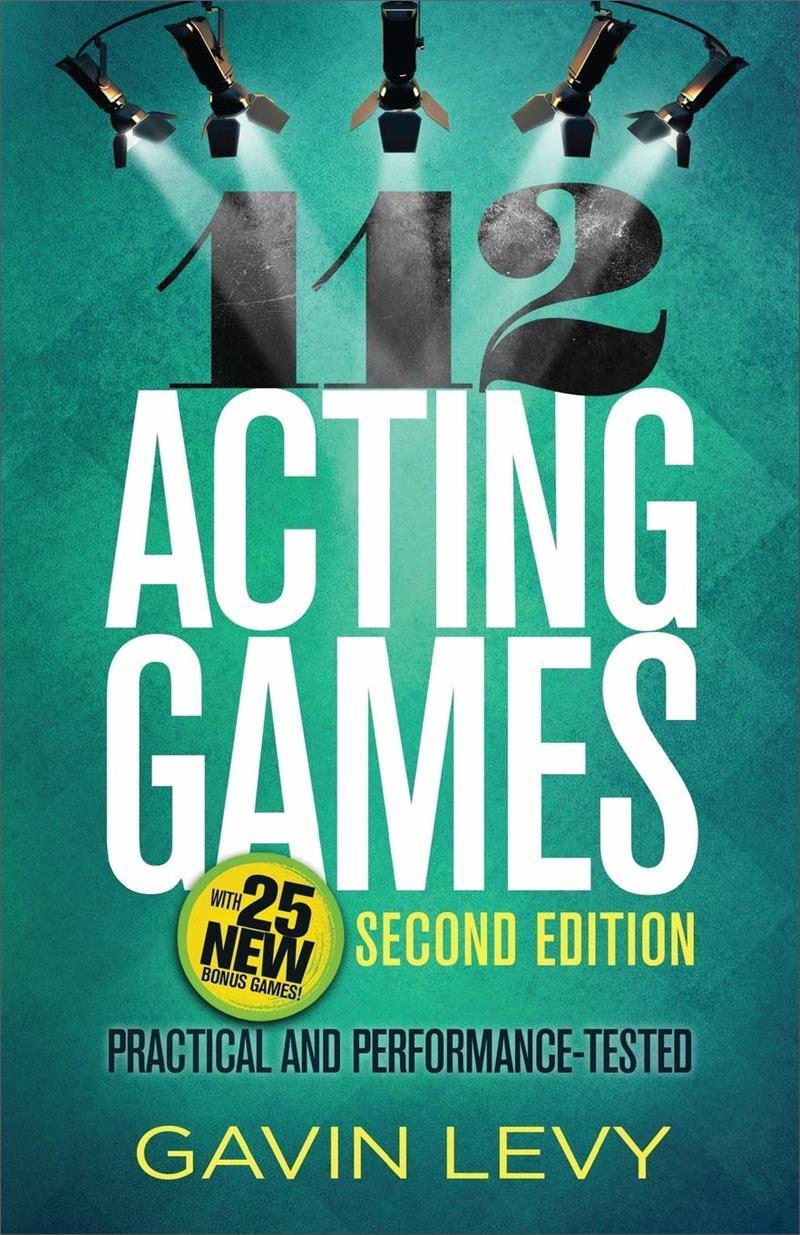
112 Acting Games
Gavin Levy

Group Improvisation
The Manual of Ensemble Improv Games
Peter Campbell Gwinn; Charna Halpern

Business Improv
Experiential Learning Exercises to Train Employees
Val Gee

Improv Ideas
A Book of Games and Lists
Mary Ann Kelley; Justine Jones

Improvised Theatre and the Autism Spectrum
A Practical Guide
Gary Kramer; Richie Ploesch

When I Say This, Do You Mean That?
Enhancing Communication
Cherie Kerr; Julia Sweeney
Related Exercises
Hand Hypnotist
Hand Hypnotist is a partner exercise drawn from Augusto Boal's Theatre of the Oppressed in which one player holds their hand in front of a partner's face and leads them through the space, with the partner following the hand as though hypnotized by it. The leader is responsible for the partner's safety and for creating interesting movement; the follower surrenders physical autonomy to the relationship. The exercise develops trust, physical sensitivity, and the experience of leading and following through the body.
Mirror
Mirror is a foundational partner exercise in which one player moves and the other copies with as much precision as possible. The basic challenge is simple to see and simple to feel: both players must stay connected closely enough that the movement reads as one shared action instead of one person chasing the other. Across published training material, Mirror is used to build concentration, body awareness, responsiveness, and nonverbal listening.
Back to Back
Back to Back is a trust and connection exercise in which two players sit or stand with their backs pressed together and work together on a physical or verbal task without the benefit of eye contact. Common tasks include standing up simultaneously from a seated position, telling a collaborative story, or mirroring each other's movements through physical pressure alone. The absence of visual cues forces participants to communicate through weight, pressure, breath, and vocal tone, developing a physical listening channel that operates independently of sight. The exercise appears across multiple performance traditions, from Augusto Boal's Games for Actors and Non-Actors to John Abbott's The Improvisation Book, and is one of the most widely used partner exercises in both improv training and applied improvisation settings.
Fingertips
Fingertips is a trust and sensitivity exercise in which two performers connect through their fingertips and move together through the space. The minimal point of contact demands heightened physical listening and mutual care. Each partner must simultaneously lead and follow, responding to subtle shifts in pressure and direction without verbal communication. The exercise builds the kind of delicate partner awareness that transfers directly to subtle, responsive scene work.
Friendly Hands
Friendly Hands is a trust and connection exercise in which players reach out to shake hands or make physical contact with as many people as possible in a short time. The exercise breaks the physical barrier between participants and establishes a baseline of comfortable touch. It warms up the group's willingness to engage physically.
Cross Circle
Cross Circle is a spatial awareness exercise in which players walk across the circle to swap places with another player, using only eye contact to coordinate. Multiple pairs cross simultaneously without colliding. The exercise trains nonverbal communication, spatial awareness, and trust in shared physical negotiation.
How to Reference This Page
The Improv Archive. (2026). Arm Link. Retrieved March 17, 2026, from https://improvarchive.org/exercises/arm-link
The Improv Archive. "Arm Link." The Improv Archive, 2026. https://improvarchive.org/exercises/arm-link.
The Improv Archive. "Arm Link." The Improv Archive, 2026, https://improvarchive.org/exercises/arm-link. Accessed March 17, 2026.
The Improv Archive is a systemically maintained repository. The archive itself acts as the corporate author.