Fast Montage
Fast Montage is a long-form technique in which a series of very brief scenes flash by in quick succession, each lasting only ten to thirty seconds before the next begins. The scenes may be connected thematically, by a shared image, or by recurring characters, or they may appear unconnected until patterns emerge over time. The rapid pace creates a staccato rhythm that contrasts with sustained scene work and develops the ensemble's ability to commit fully to a short scene and then release it completely.
Structure
Setup
Performers stand in a loose formation, ready to quickly populate or vacate the playing space. A suggestion, theme, or opening image initiates the first scene.
Progression
The first scene begins with two to three performers. At a call from the side -- a clap, a word, a signal light -- the playing space clears immediately and a new scene begins with different performers in a different location or relationship. The transition is instantaneous: no pausing, no cross-fading.
Each scene must commit immediately and completely. Because scenes are so short, there is no time to establish slowly. The first line or first physical choice establishes the scene's world, and the scene ends before it can be fully developed.
Scenes may circle back -- recurring characters or images return -- but they are not required to. The montage can run as pure variety or as a thematically braided sequence.
Conclusion
The montage ends when the facilitator or an offstage caller decides the density of material has reached its natural peak. A final scene that returns to an earlier image or provides a clear narrative close lands with more resonance than an arbitrary stop.
How to Teach It
Objectives
Fast Montage develops commitment without preparation, the ability to establish a scene in a single move, and the ensemble discipline of clearing and re-entering the space quickly. It also trains the releasing of a scene without closure -- something many performers resist.
How to Explain It
"You have fifteen seconds. Make something that is fully real and completely alive. Then let it go the moment I signal. The next group takes over immediately."
Scaffolding
Begin with longer individual scenes (sixty seconds) before compressing to thirty, then fifteen, then ten. The compression gradually forces faster establishment skills. Running a full session at fifteen seconds from the start can be overwhelming for less experienced ensembles.
Common Pitfalls
Performers sometimes treat short scenes as setup for a joke that never arrives -- they spend the entire time in establishment mode and the scene ends before it has begun. The coaching note is that the scene should be doing something real from the first second, not building toward a payoff.
Worth Reading
See all books →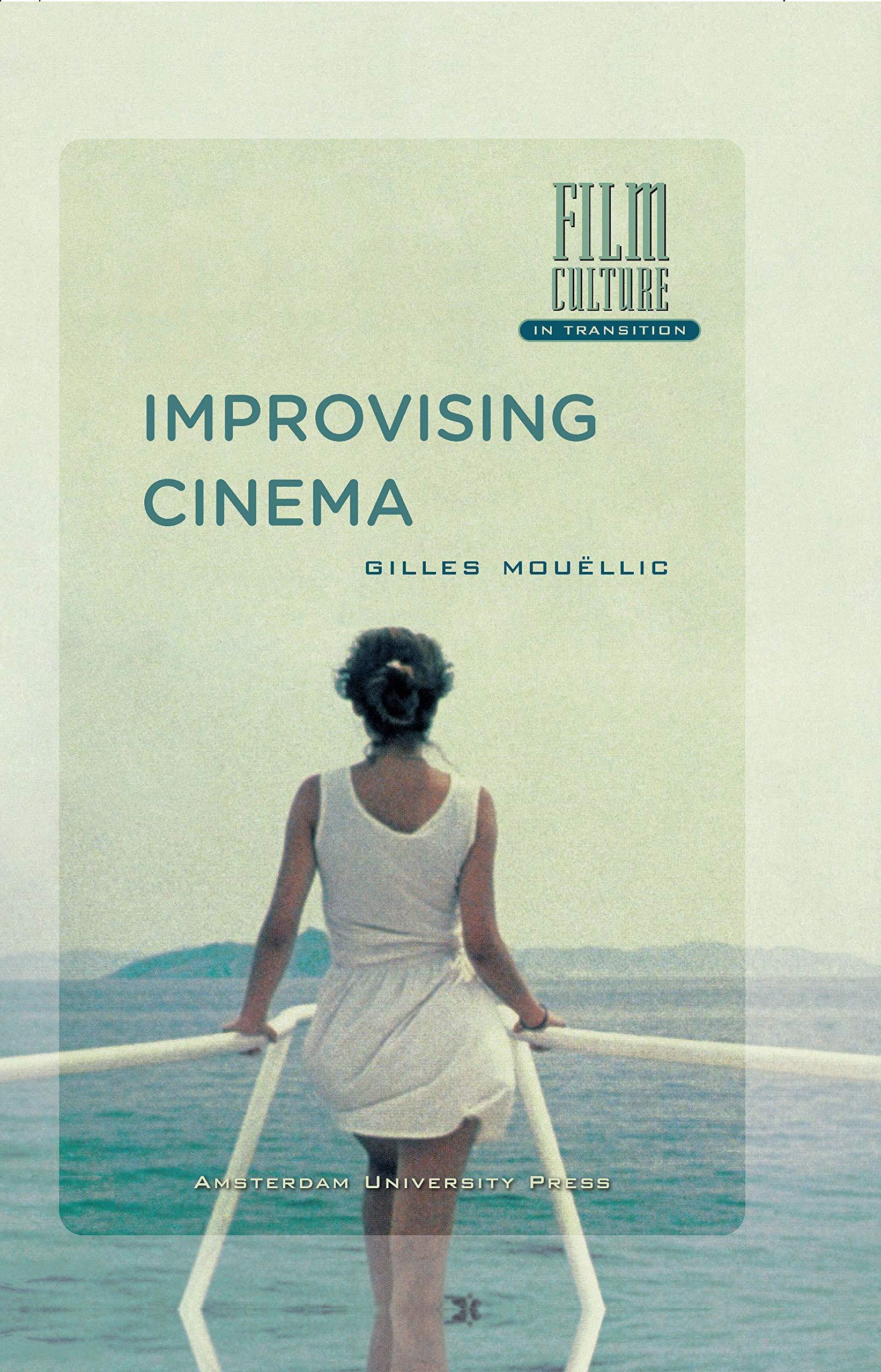
Improvising Cinema
Gilles Mouëllic
The Triangle of the Scene
A Simple, Practical, Powerful Method for Approaching Improvisation
Paul Vaillancourt

Pirate Robot Ninja
An Improv Fable
Billy Merritt; Will Hines

Action Theater
The Improvisation of Presence
Ruth Zaporah

Group Improvisation
The Manual of Ensemble Improv Games
Peter Campbell Gwinn; Charna Halpern
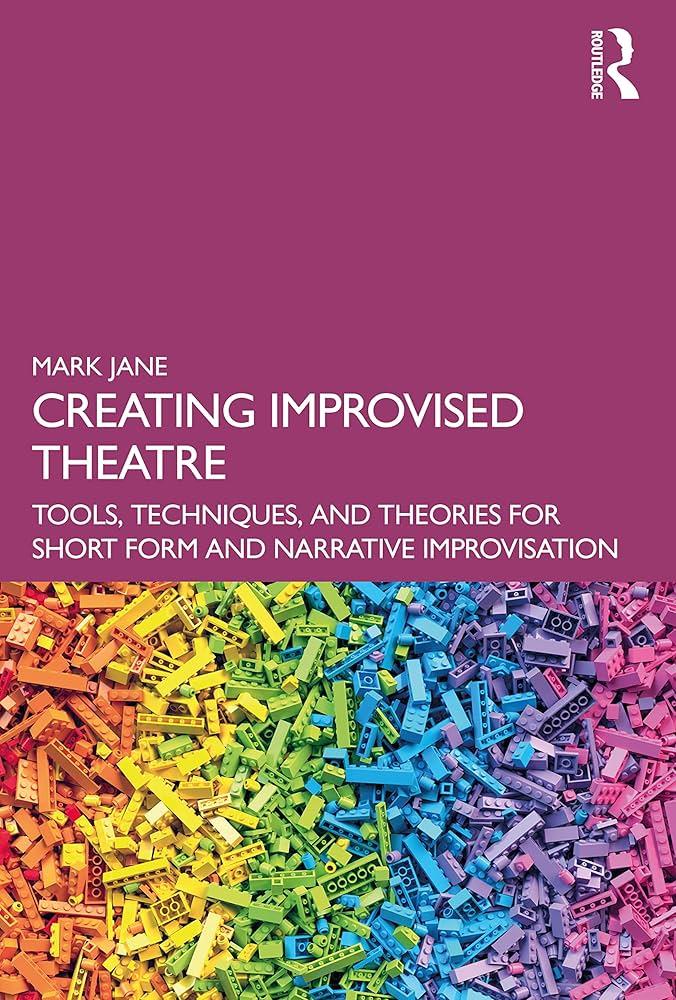
Creating Improvised Theatre
Tools, Techniques, and Theories
Mark Jane
Related Exercises
Montage Ending
Montage Ending is a rehearsal technique and scene-work exercise in which performers practice bringing a montage structure to a deliberate, coordinated conclusion -- finding the final image, moment, or group beat that closes the set of scenes as a unified whole rather than allowing the montage to simply stop when no one has anything left to offer. The exercise trains the ensemble's capacity to sense when a montage is complete and to create the shared ending actively rather than passively.
Beads on a String
Beads on a String is a long-form technique in which a series of short, seemingly unrelated scenes are performed in sequence, connected by a thematic or emotional thread that becomes apparent over time. The structure relies on the audience discovering the connecting strand rather than having it stated. It teaches performers to trust thematic coherence over narrative continuity.
Final Freeze
Final Freeze is an exercise in which players improvise a scene that must end in a specific physical tableau or frozen image called by the facilitator or agreed upon in advance. The scene must arrive at the designated freeze organically through the scene's own logic rather than forcing its way there artificially. The exercise develops narrative construction skills and the ability to engineer a predetermined ending from a completely open beginning.
How to Reference This Page
The Improv Archive. (2026). Fast Montage. Retrieved March 17, 2026, from https://improvarchive.org/exercises/fast-montage
The Improv Archive. "Fast Montage." The Improv Archive, 2026. https://improvarchive.org/exercises/fast-montage.
The Improv Archive. "Fast Montage." The Improv Archive, 2026, https://improvarchive.org/exercises/fast-montage. Accessed March 17, 2026.
The Improv Archive is a systemically maintained repository. The archive itself acts as the corporate author.