Generate New Ideas
Generate New Ideas is an applied improv exercise in which a group collectively invents a product from scratch -- naming it, developing taglines and jingles, assigning a celebrity spokesperson, and creating a brief promotional pitch -- through a rapid, collaborative ideation process. The exercise uses the product-invention framework as a vehicle for practicing group creativity, spontaneous Yes-And building, and comfort with presenting unfinished ideas with confidence.
Structure
Setup
The full group works together, or in small teams of three to five. A prompt provides a starting constraint: a target audience ("for people who are always early"), a material ("made entirely of rubber"), or an impossible benefit ("guaranteed to make Mondays easier").
Invention Round
Working rapidly -- five to eight minutes -- the group develops:
- A product name
- A tagline (one memorable phrase)
- A jingle (four to eight lines, any melody)
- A celebrity spokesperson (real or invented)
- A thirty-second promotional pitch
All elements are contributed by anyone in the group. The facilitator enforces the time limit and encourages building on contributions rather than replacing them.
Performance
The group presents their complete product pitch to the rest of the room, committing fully to the promotional register -- enthusiasm, confidence, and complete belief in the product.
Conclusion
The facilitator closes with a debrief focused on the group's collaborative dynamics during the invention round: how decisions were made, whose ideas were built on, and how the group committed to presenting an imperfect product with genuine confidence.
How to Teach It
Objectives
Generate New Ideas targets rapid collaborative ideation, the Yes-And building reflex, and the skill of presenting with confidence before a product is perfect. The promotional format's inherent absurdity lowers the stakes while the performance requirement maintains genuine accountability.
How to Explain It
"You're inventing a real product for real people. It just might be ridiculous. That's fine -- make it brilliant anyway and sell it like you mean it."
Scaffolding
For groups new to collaborative ideation, assign specific roles (one person owns the name, one the tagline, one the jingle) before running an open-contribution version. The role structure reduces the decision paralysis that unstructured ideation can produce in early rounds.
Common Pitfalls
Groups sometimes get stuck in endless iteration on a single element (the perfect name) at the expense of developing the whole product. The facilitator should push forward: "The name is good enough -- move to the tagline."
In Applied Settings
Learning Objectives
In applied settings, Generate New Ideas develops the capacity for rapid, collaborative ideation -- the ability to build on each other's contributions, make decisions quickly under time pressure, and present shared creative work with confidence even when it is not fully refined. The product format provides a familiar enough structure that participants can engage immediately without improv expertise, while the absurdity of the constraints lowers the fear of looking foolish.
Workplace Transfer
The transfer is to any organizational context requiring fast, collaborative creative output: product ideation, campaign development, pitch preparation, and strategic brainstorming. Participants who have experienced Generate New Ideas report greater ease with rapid ideation in real settings, reduced perfectionism in early creative phases, and greater willingness to present preliminary work with conviction. The exercise also reveals the specific collaboration behaviors that accelerate ideation versus those that slow it.
Facilitation Context
Generate New Ideas is used in innovation workshops, creative thinking programs, new product development training, and team-building sessions where creative output is a goal. It works well with groups of 10 to 30 in teams of three to five. The exercise typically runs twenty to thirty minutes including presentation and debrief.
Debrief Framing
Ask participants: "How did your team make decisions? Whose ideas shaped the product? What did you have to let go of to keep moving? What was it like to present something imperfect with confidence?"
Skills Developed
Worth Reading
See all books →
When I Say This, Do You Mean That?
Enhancing Communication
Cherie Kerr; Julia Sweeney

Group Improvisation
The Manual of Ensemble Improv Games
Peter Campbell Gwinn; Charna Halpern

The Improv Mindset
Change Your Brain. Change Your Business.
Gail Montgomery; Bruce T. Montgomery
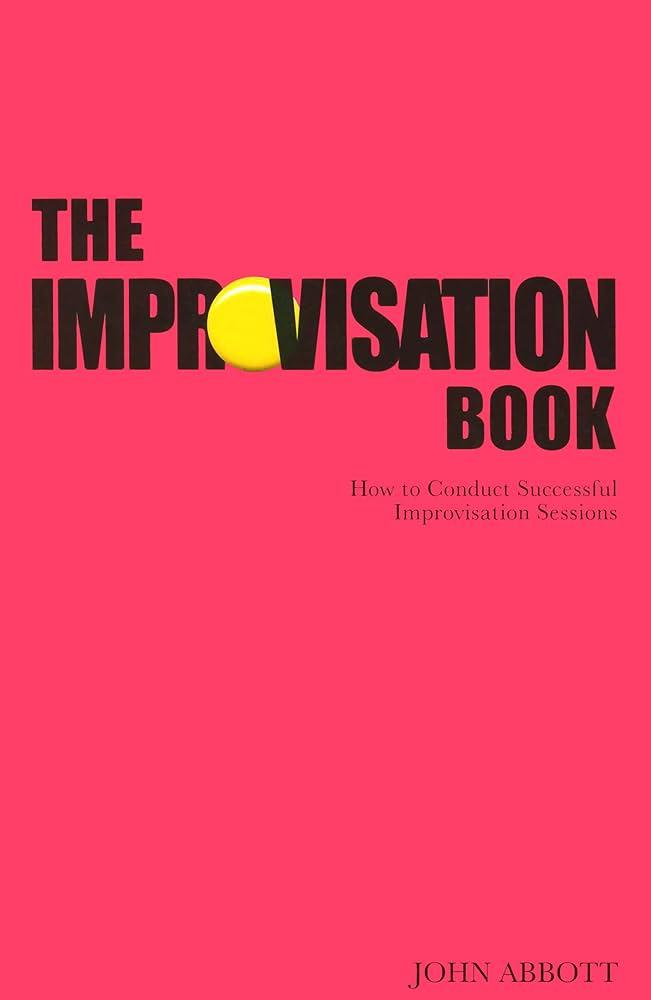
The Improvisation Book
How to Conduct Successful Improvisation Sessions
John S.C. Abbott
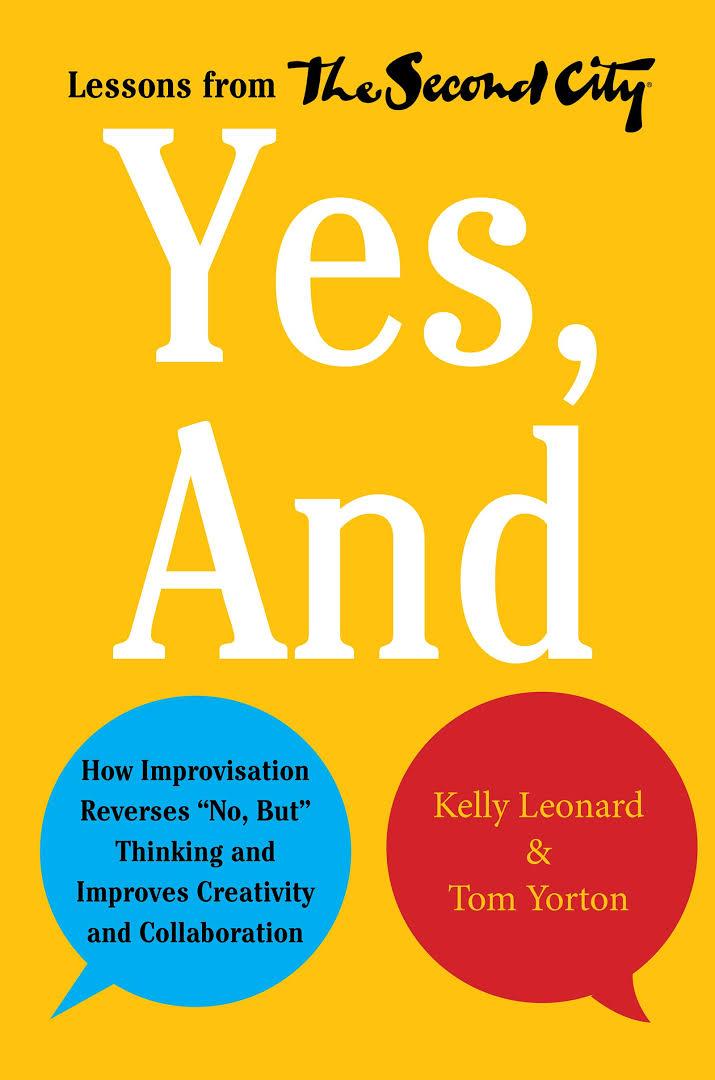
Yes, And
How Improvisation Reverses No, But Thinking and Improves Creativity and Collaboration
Kelly Leonard; Tom Yorton

Truth in Comedy
The Manual of Improvisation
Charna Halpern; Del Close; Kim Howard Johnson
Related Exercises
New Object Name and Application
Starting with a well-known item, the group uses brainstorm and improv techniques to create a completely new name, function, and identity for the item.
We Can Sell Anything
Teams collaboratively pitch an absurd or mundane product using improvised salesmanship, developing persuasion, collaboration, and creative thinking.
Name and Motion
Name and Motion is a name-learning exercise in which each participant says their name while simultaneously performing a physical gesture or movement of their choosing. The group then mirrors both the name and the motion back in unison. The pairing of verbal and physical information creates multiple memory anchors, making name retention significantly more reliable than verbal-only introductions.
How to Reference This Page
The Improv Archive. (2026). Generate New Ideas. Retrieved March 17, 2026, from https://improvarchive.org/exercises/generate-new-ideas
The Improv Archive. "Generate New Ideas." The Improv Archive, 2026. https://improvarchive.org/exercises/generate-new-ideas.
The Improv Archive. "Generate New Ideas." The Improv Archive, 2026, https://improvarchive.org/exercises/generate-new-ideas. Accessed March 17, 2026.
The Improv Archive is a systemically maintained repository. The archive itself acts as the corporate author.