In Someone Else's Shoes
In Someone Else's Shoes is an empathy and perspective exercise in which players adopt the viewpoint, physicality, and emotional state of a person very different from themselves. The exercise builds emotional range and challenges performers to step outside their habitual perspective. It develops the empathetic imagination that fuels authentic character work.
Worth Reading
See all books →
Spontaneous Performance
Acting Through Improv
Marsh Cassady
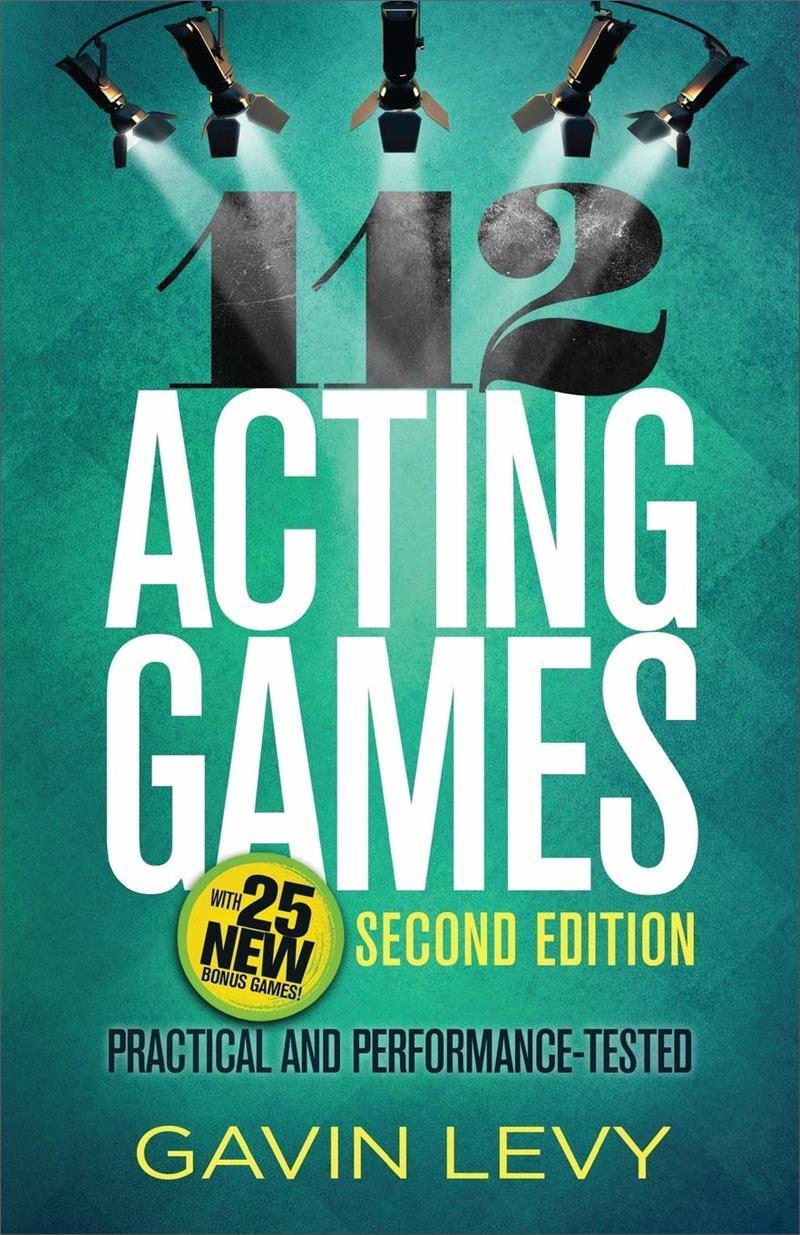
112 Acting Games
Gavin Levy

Improvised Theatre and the Autism Spectrum
A Practical Guide
Gary Kramer; Richie Ploesch
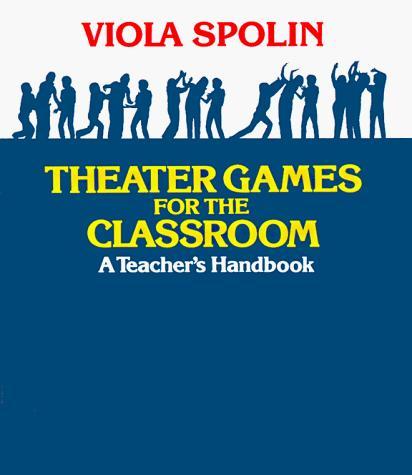
Theater Games for the Classroom
Viola Spolin
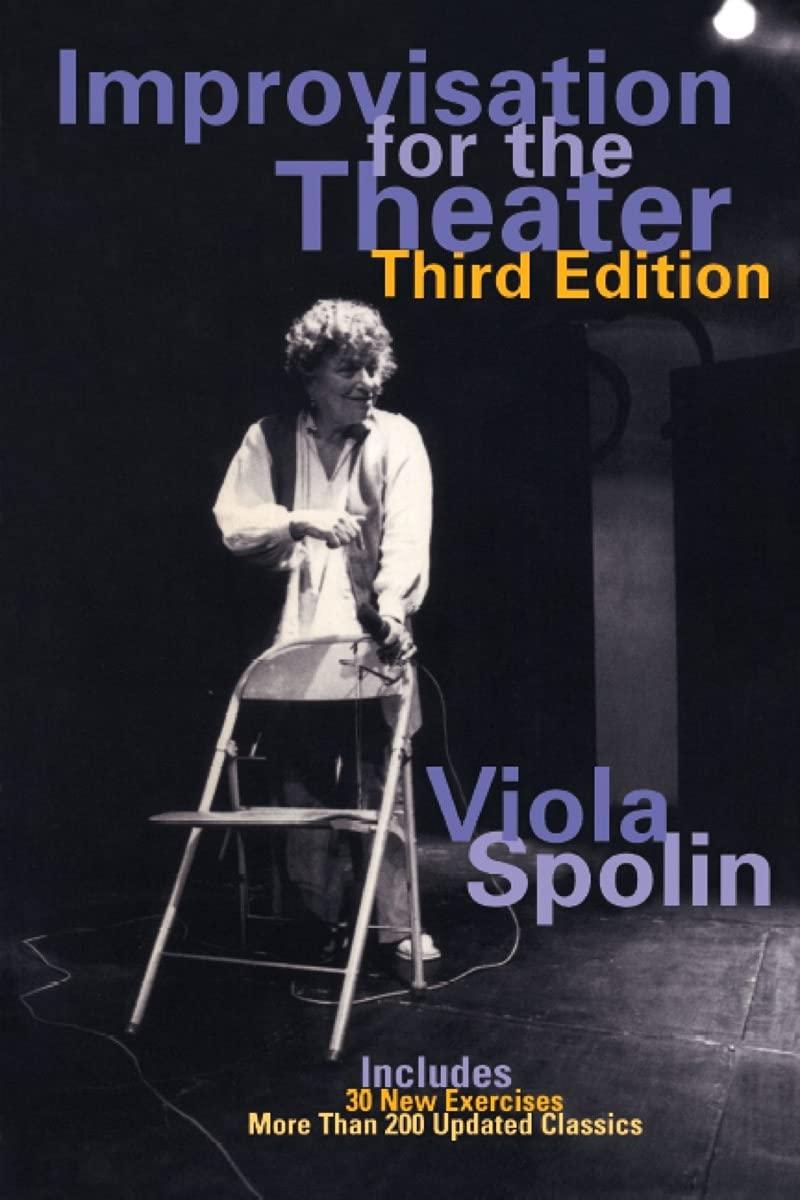
Improvisation for the Theater
A Handbook of Teaching and Directing Techniques
Viola Spolin

Business Improv
Experiential Learning Exercises to Train Employees
Val Gee
Related Exercises
Emotional Mirror
Emotional Mirror is a mirroring exercise focused on emotional states rather than physical movement. One player establishes an emotion through face, body, and vocal tone; the partner mirrors not the specific gestures but the underlying feeling. The exercise trains emotional empathy and the ability to read and reflect a partner's inner state.
Emotions Characters
Emotions Characters is a character-building exercise in which performers construct a character whose entire identity is defined by a single dominant emotion. Rather than playing a character who experiences an emotion, the performer plays a human being for whom that emotion is the organizing principle of their existence: a person constituted entirely by joy, or anger, or longing, or fear. The exercise develops the skill of using emotion as a generative foundation for character rather than as a surface-level behavioral quality.
Personalize It!
Personalize It is a scene exercise in which performers draw on their own real experiences, opinions, or emotional truths to inform their characters rather than inventing from scratch. The exercise pushes players past generic choices toward specific, grounded work. It builds the muscle of accessing personal material while maintaining the safety of a fictional frame.
Opposite Characters
Opposite Characters is a scene exercise in which each performer plays a character whose traits are the direct inverse of their own natural tendencies. A quiet player adopts a loud persona, an analytical player becomes impulsive, and so on. The exercise expands performers' range by forcing them outside habitual choices.
I Like You Because/I Love You Because
I Like You Because/I Love You Because is a connection exercise in which players take turns expressing genuine appreciation for specific qualities in their partners. The exercise builds trust, vulnerability, and ensemble warmth. It works best when participants move beyond surface compliments to specific, observed qualities.
Strike a Pose
Strike a Pose is a physical exercise in which players assume strong, committed physical positions and use each pose as a starting point for character, scene, or interpretive discovery. The exercise demonstrates that physical choices precede and inform emotional and character choices, rather than following from them. Multiple documented variants use the same core mechanic of striking and holding a pose to develop ensemble responsiveness, scene inspiration, and interpretive skill.
How to Reference This Page
The Improv Archive. (2026). In Someone Else's Shoes. Retrieved March 17, 2026, from https://improvarchive.org/exercises/in-someone-elses-shoes
The Improv Archive. "In Someone Else's Shoes." The Improv Archive, 2026. https://improvarchive.org/exercises/in-someone-elses-shoes.
The Improv Archive. "In Someone Else's Shoes." The Improv Archive, 2026, https://improvarchive.org/exercises/in-someone-elses-shoes. Accessed March 17, 2026.
The Improv Archive is a systemically maintained repository. The archive itself acts as the corporate author.