Jump Rope
Jump Rope is a physical warm-up exercise that uses real or imagined jump ropes to build rhythm, coordination, and group timing. Players jump to a steady beat while adding verbal challenges: reciting rhymes, telling stories, answering questions, or improvising dialogue without breaking the physical rhythm. The exercise combines physical exertion with verbal dexterity, training performers to maintain multiple channels of output simultaneously. Jump Rope works as an energizing warm-up that gets bodies moving and voices activated at the same time.
Structure
The exercise begins with the group establishing a jump rope rhythm. Two players hold the ends of a real or imagined rope and turn it at a steady pace. One player at a time enters the turning rope and begins jumping.
Once the basic rhythm is established, the facilitator adds verbal challenges. The jumper recites a nursery rhyme, tells a story, or answers questions from the group while maintaining the jumping rhythm. The physical activity prevents overthinking: the jumper cannot stop to plan what to say because the rope demands continuous attention.
Variations include group jumping (multiple players jump the same rope while trading dialogue), double dutch (two ropes turning in opposite directions, adding physical complexity), and imaginary rope versions in which the group pantomimes the rope and jumpers, allowing the exercise to scale to any group size.
The exercise progresses from simple verbal tasks (counting, reciting known rhymes) to improvisational challenges (continuing a story started by the previous jumper, answering audience questions in character, or performing a scene while jumping).
The warm-up runs for five to ten minutes and transitions naturally into other physical or vocal exercises.
How to Teach It
How to Explain It
"Two people turn the rope. The rope is real: feel the weight of it, keep the rhythm. When you are ready, jump in. Jump for eight counts, then someone new jumps in. The turners never stop. Keep the rhythm going."
Jump Rope is most effective early in a session when energy needs to rise quickly. The physical exertion raises heart rates and breathing, which in turn raises vocal energy and physical expressiveness. Groups that begin with Jump Rope carry the heightened energy into subsequent exercises.
The verbal challenges should escalate gradually. Begin with simple tasks (counting by twos, reciting the alphabet backward) and progress to improvised content (telling a story, performing a monologue). The physical rhythm provides a scaffold that supports the verbal output: performers who synchronize their speech to the jumping rhythm often discover a fluency they lack when standing still.
Coach for commitment to the physical rhythm above all else. A jumper who stops jumping to deliver a clever line has prioritized content over process. The exercise's value comes from maintaining both channels simultaneously, and the physical channel should never be sacrificed for the verbal one.
The exercise builds ensemble timing skills. The rope turners must maintain a consistent rhythm, and the jumper must match it. This shared timing practice transfers to scene work, where performers must synchronize their energy, pacing, and emotional rhythms with their partners.
Worth Reading
See all books →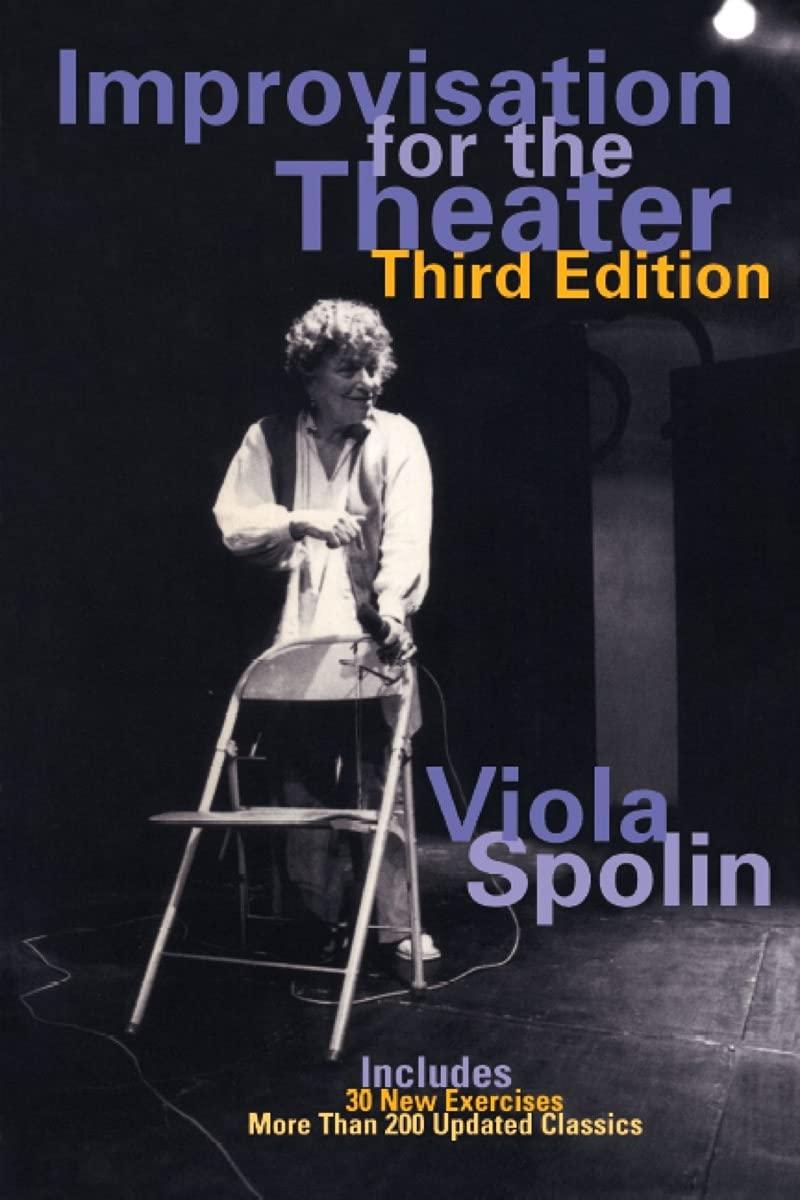
Improvisation for the Theater
A Handbook of Teaching and Directing Techniques
Viola Spolin

Acting Through Improv
Improv Through Theatresports
Lynda Belt; Rebecca Stockley

Improv Nation
How We Made a Great American Art
Sam Wasson

Improv Comedy (20th Anniversary Edition)
Andy Goldberg

Improv Ideas
A Book of Games and Lists
Mary Ann Kelley; Justine Jones

Improv for Actors
Dan Diggles
Related Exercises
Aerobics
Aerobics is a physical warm-up exercise in which one player leads the group through exaggerated, often absurd exercise movements. The leader adopts the persona of a fitness instructor and guides the ensemble through increasingly ridiculous physical routines, all performed with full commitment. Participants mirror the leader's movements and match their energy regardless of how outlandish the routine becomes. The exercise serves multiple functions in improv training: it raises the group's physical energy at the start of a rehearsal or class, breaks down self-consciousness by requiring participants to look foolish together, and establishes a shared physical vocabulary before scene work begins. Aerobics belongs to a family of physical warm-ups that draw from fitness disciplines such as yoga, tai chi, and martial arts, adapted for the specific needs of ensemble performance training.
Barney
Barney is an energy and movement warm-up exercise in which players adopt an exaggerated, lumbering physical character and interact with the group through simple, playful commands. The exercise asks participants to embody a large, slow, friendly creature (often described as a dinosaur or monster) and move through the space with maximum physical commitment and minimum self-consciousness. The inherent silliness of the character lowers inhibitions quickly, making Barney effective as an early warm-up for groups that are new to physical work or uncomfortable with large physical choices. The exercise builds comfort with exaggerated movement, vocal projection, and the willingness to look ridiculous in front of others, all foundational skills for improv performance.
Run Around
Run Around is a physical warm-up exercise in which players move through the space and respond to commands called by the facilitator. The exercise builds spatial awareness, group attentiveness, and physical readiness by requiring participants to shift direction, speed, or movement quality on cue.
Bobsledding Bodies
Bobsledding Bodies is a physical warm-up exercise in which players form a tight line and navigate the space together, shifting direction and speed as a unit. The exercise builds group awareness, physical coordination, and the ability to respond as an ensemble to subtle changes in momentum.
Hot Spot
Hot Spot is a musical warm-up exercise in which one player stands in the center of a circle and begins singing any song that comes to mind. When another player is inspired by a word, phrase, or theme from the song, they step in, replace the singer, and begin a new song connected to the previous one. The exercise builds musical confidence, trains associative thinking through song, and develops the ensemble's willingness to rescue a struggling teammate. Hot Spot is a signature warm-up in the long-form improv tradition and is closely associated with the training curriculum at iO (formerly ImprovOlympic).
Zulu
Zulu (1) is an energetic warm-up exercise in which players perform a series of synchronized group movements and chants, building collective rhythm and physical energy. The call-and-response format creates strong group cohesion and raises the energy level quickly. The exercise is commonly used as a pre-show warm-up to unite the ensemble.
How to Reference This Page
The Improv Archive. (2026). Jump Rope. Retrieved March 17, 2026, from https://improvarchive.org/exercises/jump-rope
The Improv Archive. "Jump Rope." The Improv Archive, 2026. https://improvarchive.org/exercises/jump-rope.
The Improv Archive. "Jump Rope." The Improv Archive, 2026, https://improvarchive.org/exercises/jump-rope. Accessed March 17, 2026.
The Improv Archive is a systemically maintained repository. The archive itself acts as the corporate author.