Leading with Body Parts
Leading with Body Parts is a physical character and presence exercise in which participants walk through the space leading with a designated body part -- the nose, the chin, the chest, the knee, the pelvis -- and observe how leading with each part generates a distinct physical character, quality of movement, and emotional tone. The exercise demonstrates that character lives in the body, and that specific physical choices produce specific psychological and emotional realities.
Structure
Setup
Participants spread out through the space and begin walking at a neutral pace. The facilitator explains the exercise: as they walk, they will be directed to lead with a specific body part, meaning that body part moves through the space slightly ahead of the rest of them, drawing them forward.
Progression
The facilitator calls a body part: "Lead with your nose." Participants adjust their walk so the named part moves first, with the rest of the body following. The facilitator allows the group to inhabit each lead before calling the next one: the chin, the chest, the pelvis, the forehead, the knees, the lower back.
After several body parts, the facilitator may ask participants to take their current lead into a brief scene with a partner, exploring how two differently-led characters interact.
Conclusion
The exercise ends after participants have explored a range of body part leads and have experienced the connection between physical lead and character psychology.
How to Teach It
Objectives
Leading with Body Parts targets physical specificity and the recognition that character is made from physical choices rather than from vocal or intellectual decisions. It builds the muscle memory of choosing and committing to a physical starting point before building a character's psychology or speech.
How to Explain It
"Let the body part you're leading with pull you through the space. Don't just lean that way -- let it be genuinely ahead of the rest of you. As you do that, notice who shows up. What's their attitude? What do they want? Where are they going? You didn't invent them -- the body did."
Scaffolding
Begin with highly distinctive body part leads (nose, chest, pelvis) that produce strong, immediately recognizable character signatures before introducing subtler leads (right shoulder, back of the head). Allow extended time in each lead before transitioning.
Common Pitfalls
Participants often approach the exercise as a physical mime challenge -- exaggerating the lean or forward position -- without allowing the physicality to generate genuine character. Coach participants to stay with a lead long enough for the character's inner life to emerge rather than settling for the physical impression alone.
Worth Reading
See all books →
Action Theater
The Improvisation of Presence
Ruth Zaporah

Group Improvisation
The Manual of Ensemble Improv Games
Peter Campbell Gwinn; Charna Halpern

The Improv Illusionist
Using Object Work, Environment, and Physicality in Performance
David Raitt

Business Improv
Experiential Learning Exercises to Train Employees
Val Gee
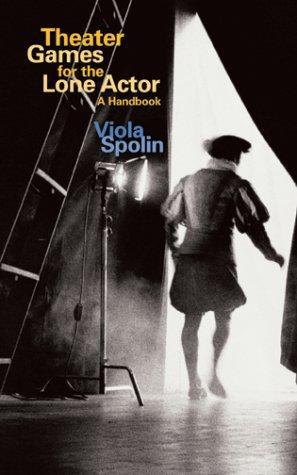
Theater Games for the Lone Actor
Viola Spolin

Improv Ideas
A Book of Games and Lists
Mary Ann Kelley; Justine Jones
Related Exercises
Follow Your Nose
Follow Your Nose is a physical exploration exercise in which players literally lead with their nose as the point of initiation for all movement through the space. By designating a single body part as the physical driver, the exercise disrupts habitual movement patterns and develops kinesthetic awareness, physical specificity, and the discovery of how a small physical choice can alter an entire physical identity.
Character Walk
Character Walk is an exercise in which players move through the space while gradually adjusting their physicality to build a character from the feet up. Changes in gait, posture, tempo, and weight distribution produce distinct personas. The exercise demonstrates how physical choices generate character without any need for backstory or dialogue.
Complete Bodies
Complete Bodies is a physicality exercise in which players practice using their entire body to communicate rather than relying primarily on face and hands. The exercise challenges performers to express emotional states, status, and character through the spine, torso, hips, and legs as well as through their more habitual expressive channels. It builds physical range and presence for scene work and performance.
Foot Soldiers
Foot Soldiers is a physicality exercise in which performers focus attention on their feet and how different footwork patterns create distinct characters. Changes in stride, weight, tempo, and contact with the floor transform a player's entire presence. The exercise demonstrates that character begins from the ground up.
Scene / Character Walkabout
Scene/Character Walkabout is an exercise in which performers walk around the space embodying a character or exploring a scene's environment before any dialogue begins. The physical exploration establishes character through movement, posture, and spatial behavior. The exercise teaches players to build characters from the body outward rather than from dialogue inward.
Obstacle Course
Obstacle Course is a physical exercise in which players navigate a real or imagined series of obstacles using their bodies expressively. The exercise may be used to build physical confidence, practice environment work, or warm up the body before performance. It trains spatial awareness and encourages bold physical choices.
How to Reference This Page
The Improv Archive. (2026). Leading with Body Parts. Retrieved March 17, 2026, from https://improvarchive.org/exercises/leading-with-body-parts
The Improv Archive. "Leading with Body Parts." The Improv Archive, 2026. https://improvarchive.org/exercises/leading-with-body-parts.
The Improv Archive. "Leading with Body Parts." The Improv Archive, 2026, https://improvarchive.org/exercises/leading-with-body-parts. Accessed March 17, 2026.
The Improv Archive is a systemically maintained repository. The archive itself acts as the corporate author.