Listening Game
Listening Game is a category of applied improv exercises that use game structures -- rules, constraints, competitive elements, or playful formats -- to make the practice of active listening engaging and its requirements concrete. The Listening Game as a distinct entry encompasses the range of structured listening activities used in applied improv that do not fit a single specific technique but share the common feature of making listening the primary and explicitly tested skill of the activity.
Structure
Setup
The specific setup varies by the listening game format selected. Common formats include: the "telephone" sequence in which a message is passed through participants and compared at the end; the instruction-recall game in which a set of instructions is given once and participants must complete a task from memory; and the partner-detail game in which one participant shares personal information and a partner must recall specific details after a delay.
Progression
The game runs according to its specific rules, with listening quality directly determining success or failure within the game's structure. Unlike pure listening exercises, game formats create an immediate, visible outcome that makes listening accuracy a concrete measurable rather than an abstract quality.
Conclusion
The game ends at a natural conclusion point defined by its structure. A facilitated debrief follows to connect the game's outcomes to the listening behaviors that produced them.
How to Teach It
Objectives
Listening Game formats target listening accuracy and retention through structured, game-based accountability. The competitive or outcome-based element creates stakes that motivate more deliberate listening than exercises without visible consequences for inattention.
How to Explain It
"In this game, how well you listen is the game. There's no other skill being tested. If you don't hear it, you can't use it. The game will tell you exactly how well you were paying attention."
Scaffolding
Begin with game formats in which the listening gap is clearly and humorously visible (telephone distortion, detail-recall mismatches) before introducing game formats with higher stakes or longer retention requirements.
Common Pitfalls
Participants sometimes focus on the game mechanics rather than the listening quality the game is designed to train, treating the activity as a performance challenge rather than a listening practice. Debrief the listening behavior specifically, not the game outcomes alone.
In Applied Settings
Learning Objectives
Listening Game formats develop active listening accuracy, retention, and the ability to receive specific information under realistic social conditions. The game structure creates immediate, observable feedback on listening quality -- making the gap between what was said and what was heard concrete and often comic, rather than invisible and rationalized.
Workplace Transfer
Listening failures in professional settings -- misunderstood instructions, missed details in briefings, inaccurate summaries in meeting notes, misattributed quotes in decisions -- often go unacknowledged because there is no mechanism for surfacing them. Listening Game formats create that mechanism: participants see exactly where the listening broke down, what was retained and what was lost, and how the gap between the original message and the received message accumulated. This observable gap is the primary workplace transfer lesson -- not the abstract value of listening, but the concrete cost of not listening well enough.
Facilitation Context
Listening Game exercises are used in active listening training, onboarding programs, team-building workshops, and communication skills development across all organizational levels. They work particularly well as energizing, playful entry points for sessions focused on listening quality, providing concrete examples and a shared reference point for the debrief discussion. Groups of any size can participate depending on the specific game format.
Debrief Framing
After the game, ask: Where did the listening break down? What were you attending to when the key information was lost? What would have changed if you had been listening more deliberately? What moments at work are you in the same position -- receiving information that matters and filtering it incompletely?
Skills Developed
Worth Reading
See all books →
Improvising Real Life
Personal Story in Playback Theatre
Jo Salas
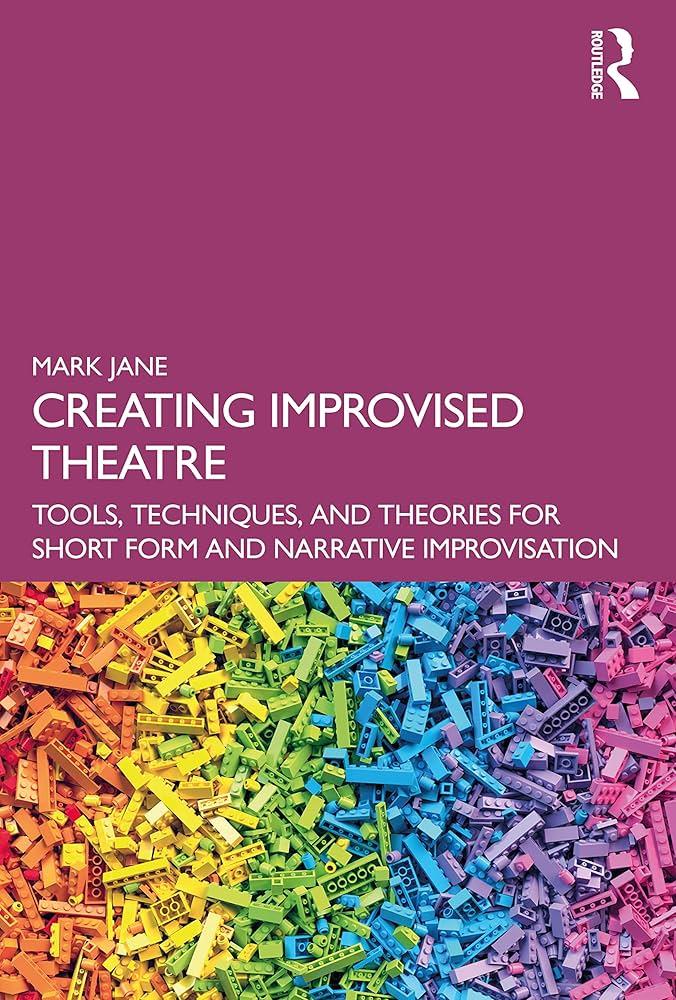
Creating Improvised Theatre
Tools, Techniques, and Theories
Mark Jane

Action Theater
The Improvisation of Presence
Ruth Zaporah
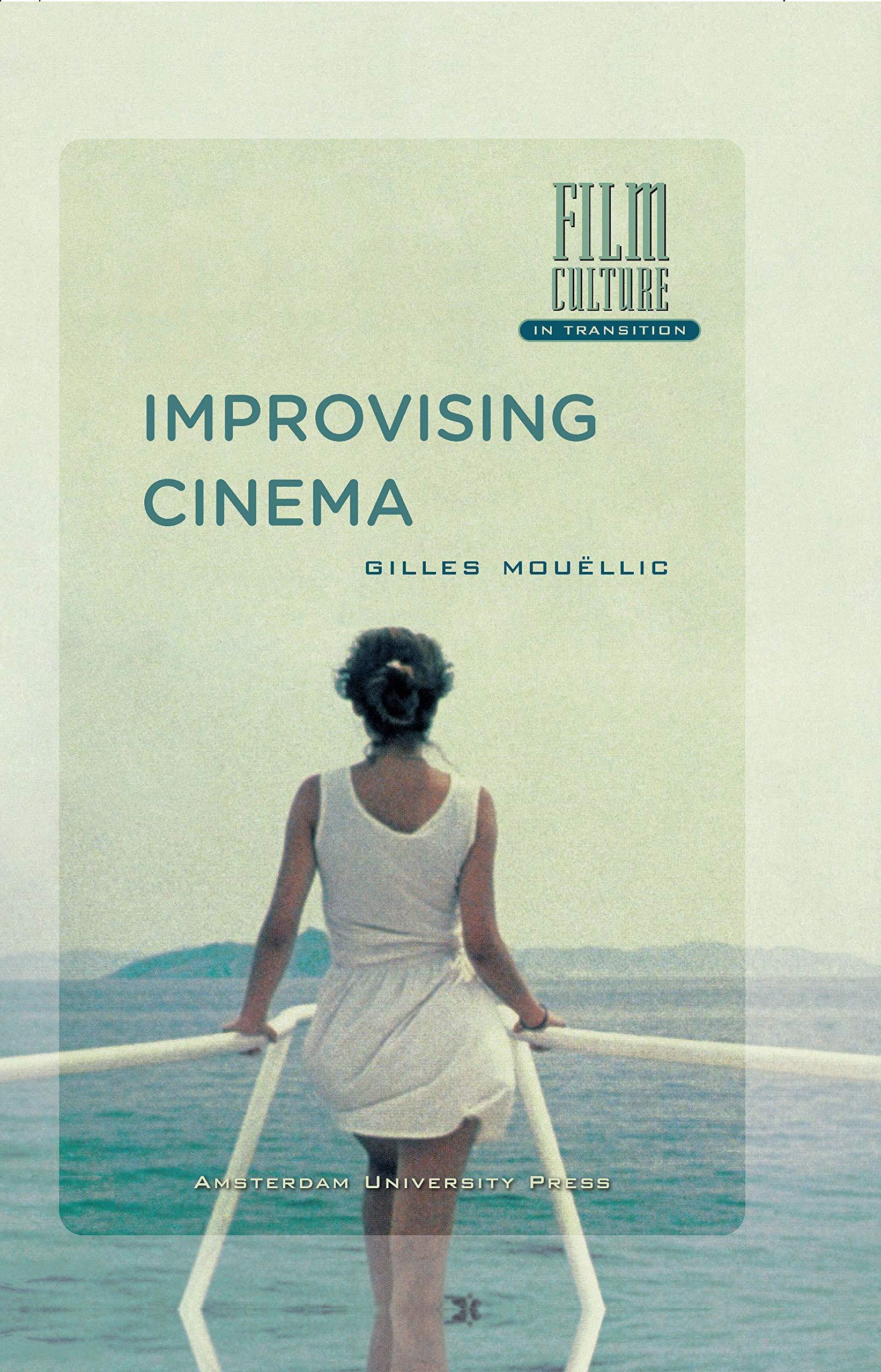
Improvising Cinema
Gilles Mouëllic

Improvisation at the Speed of Life
The TJ & Dave Book
T.J. Jagodowski; David Pasquesi; Pam Victor

When I Say This, Do You Mean That?
Enhancing Communication
Cherie Kerr; Julia Sweeney
Related Exercises
Word-at-a-Time Partners
Partners stand side-by-side and speak as one person, each saying one word at a time to make sentences on a 'How to' topic.
Same Time Story
Same Time Story is a collaborative exercise in which two or more performers tell a story simultaneously, attempting to say the same words at the same time without prior planning. The exercise demands extreme listening and the willingness to follow collective impulses. It is a powerful demonstration of group mind when executed successfully.
Communal Monologue
Communal Monologue is an exercise in which multiple performers deliver a single monologue together, trading off mid-sentence or mid-thought without any performer beginning a new idea. Each speaker must continue seamlessly from where the last one stopped, maintaining the same voice, tone, and thought. The exercise trains verbal listening, agreement, and the construction of a collective voice.
The Five Second Rule
In a two-person scene or brainstorming circle, neither person can speak until five full seconds after the previous speaker finishes. Forces genuine listening and prevents idea-steamrolling.
Swedish Story
Participants collaboratively build a story in a circle, each adding a short segment. Encourages spontaneous storytelling and group listening.
Story String
Story String is a collaborative storytelling exercise in which each performer adds a sentence or beat to an evolving narrative, building on the previous contribution while advancing the plot. The exercise trains narrative listening and the discipline of serving the emerging story rather than redirecting it toward a personal idea.
How to Reference This Page
The Improv Archive. (2026). Listening Game. Retrieved March 17, 2026, from https://improvarchive.org/exercises/listening-game
The Improv Archive. "Listening Game." The Improv Archive, 2026. https://improvarchive.org/exercises/listening-game.
The Improv Archive. "Listening Game." The Improv Archive, 2026, https://improvarchive.org/exercises/listening-game. Accessed March 17, 2026.
The Improv Archive is a systemically maintained repository. The archive itself acts as the corporate author.