Mantra
Mantra is a vocal and mental exercise in which performers select and repeat a single word or short phrase, gradually shifting its rhythm, volume, pitch, and emotional intensity. The repetition strips away self-consciousness and helps players discover how meaning transforms through delivery alone. The same word spoken softly becomes a prayer; spoken forcefully becomes a command; spoken rapidly becomes a plea. Mantra prepares performers for emotionally committed scene work by building comfort with vocal extremes and sustained focus. The exercise draws on meditation practices adapted for theatrical training.
Structure
Each performer selects a single word or short phrase. The selection can be personal (a word that carries meaning for the performer), random (the first word that comes to mind), or assigned by the facilitator.
The performers spread out through the space and begin repeating their word at a neutral volume and pace. The facilitator coaches them to vary the delivery gradually: slower, faster, louder, softer, higher pitch, lower pitch. The word remains the same; the delivery transforms.
As the exercise develops, the facilitator introduces emotional directives: repeat the word with joy, with grief, with anger, with longing, with fear. The performers discover how the same syllables carry entirely different meanings depending on the emotional intention behind them.
The exercise can be performed individually (each performer repeating their own word) or collectively (the full group repeating a shared word, creating a chorus that shifts emotional register together). The collective version builds ensemble sensitivity as the group navigates vocal changes without explicit coordination.
Advanced versions use the mantra as a foundation for scene work. Two performers begin repeating their respective mantras and then gradually transition into a scene, allowing the words to evolve into dialogue. The mantra becomes the seed from which the scene grows.
The exercise runs for five to fifteen minutes, depending on the depth of exploration the facilitator seeks.
How to Teach It
How to Explain It
"Choose a word or phrase. Speak it. Speak it again. Keep speaking it. Let the meaning change. Let the feeling change. The words are the same. What they do to you changes."
Mantra is effective for performers who overthink their vocal choices. The repetitive structure eliminates the need to invent new words, freeing the performer's attention entirely for vocal exploration. Players who discover that a single word can carry dozens of meanings through delivery alone develop confidence in their vocal instrument.
Coach for genuine emotional engagement rather than vocal performance. A performer who shouts the word is not necessarily expressing anger; a performer whose voice tightens and drops in volume while the word comes out through clenched teeth is expressing anger. The emotion should drive the vocal change, not the other way around.
The exercise can surface unexpected emotional responses. Performers who repeat a word long enough sometimes connect to personal associations that produce genuine feeling. The facilitator should create a safe container for this possibility and not push performers to share or explain their emotional experience.
Mantra connects to the broader principle that how something is said matters more than what is said. Performers who internalize this principle through the exercise bring greater vocal variety and emotional specificity to their scene work.
Worth Reading
See all books →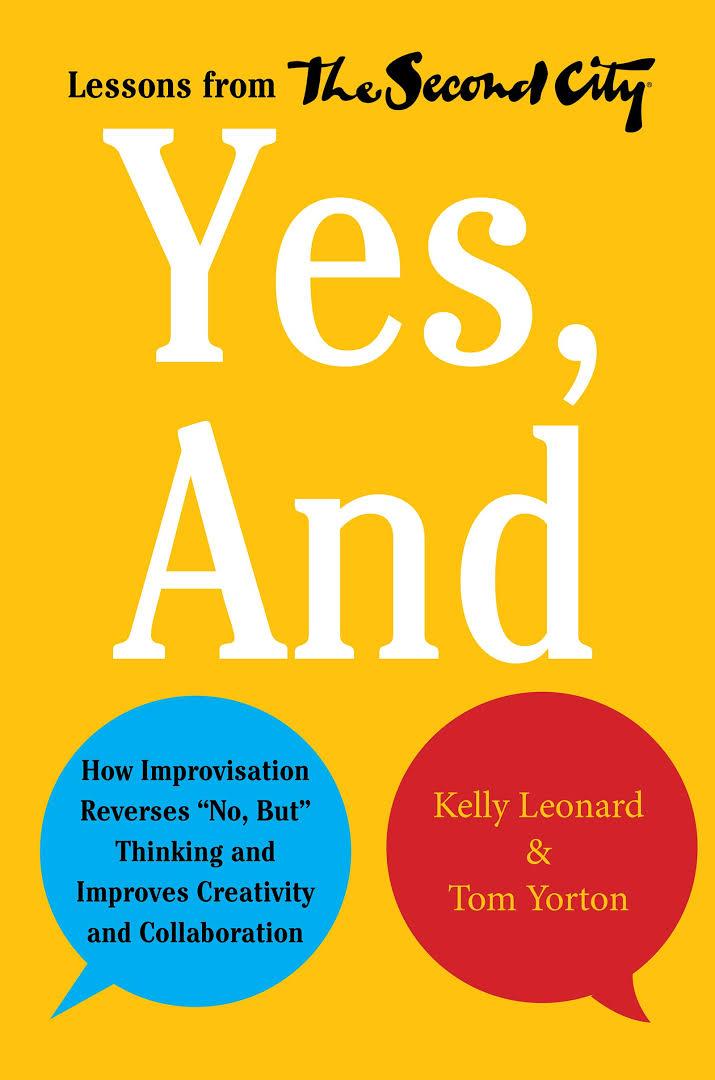
Yes, And
How Improvisation Reverses No, But Thinking and Improves Creativity and Collaboration
Kelly Leonard; Tom Yorton

Theatrical Improvisation
Short Form, Long Form, and Sketch-Based Improv
Jeanne Leep

Devising Performance
A Critical History
Deirdre Heddon; Jane Milling

The Second City Unscripted
Revolution and Revelation at the World-Famous Comedy Theater
Mike Thomas

The Improv Handbook
The Ultimate Guide to Improvising in Comedy, Theatre, and Beyond
Tom Salinsky; Deborah Frances-White

When I Say This, Do You Mean That?
Enhancing Communication
Cherie Kerr; Julia Sweeney
Related Exercises
I Love You
This exercise takes its name from the three-word declaration at the heart of every scene it generates. Performers say the title phrase to each other in as many contexts, relationships, and emotional registers as possible, discovering the vast range of meaning the words carry depending on delivery, history, and circumstance. The same phrase spoken between parent and child, between rivals, between strangers, or between lifelong partners produces entirely different scenes. The exercise builds emotional range, comfort with vulnerability onstage, and the ability to invest familiar words with specific, truthful feeling.
Action Syllables
Action Syllables is an exercise in which players pair a distinct physical movement with each syllable of a word or phrase. The activity connects vocal rhythm to full-body expression and breaks habitual patterns of stillness during speech. It builds awareness of how physicality and language reinforce each other onstage.
Hot Spot
Hot Spot is a musical warm-up exercise in which one player stands in the center of a circle and begins singing any song that comes to mind. When another player is inspired by a word, phrase, or theme from the song, they step in, replace the singer, and begin a new song connected to the previous one. The exercise builds musical confidence, trains associative thinking through song, and develops the ensemble's willingness to rescue a struggling teammate. Hot Spot is a signature warm-up in the long-form improv tradition and is closely associated with the training curriculum at iO (formerly ImprovOlympic).
Invocation
Invocation is a group opening exercise in which the ensemble collectively summons the energy, imagery, and thematic associations of a single audience suggestion through a ritualistic spoken-word performance. The ensemble stands in a circle or cluster and riffs vocally on the suggestion, building a shared stream of imagery, associations, and emotional responses. The Invocation creates source material for subsequent scenes while unifying the ensemble's focus and establishing a collective creative state. Developed by Del Close, the Invocation is a signature opening for Harold performances and other long-form shows.
Move On
Move On is a scene exercise in which a facilitator calls out the directive to prompt performers to abandon their current scene beat and transition immediately to a new choice. The call forces performers to leave comfortable territory and advance the scene rather than circling the same material. The exercise builds editorial instincts about when a moment has been fully explored and trains the habit of moving forward rather than sideways. It develops the internal sense of pacing that distinguishes dynamic scene work from repetitive scene work.
Adjective Scene
Adjective Scene is an exercise in which a caller periodically inserts an adjective that the performers must immediately incorporate into the tone or style of the scene. A scene might shift from "romantic" to "furious" to "confused" at the caller's discretion. The exercise trains emotional agility and the ability to justify abrupt tonal shifts.
How to Reference This Page
The Improv Archive. (2026). Mantra. Retrieved March 17, 2026, from https://improvarchive.org/exercises/mantra
The Improv Archive. "Mantra." The Improv Archive, 2026. https://improvarchive.org/exercises/mantra.
The Improv Archive. "Mantra." The Improv Archive, 2026, https://improvarchive.org/exercises/mantra. Accessed March 17, 2026.
The Improv Archive is a systemically maintained repository. The archive itself acts as the corporate author.