Rhythm Machine Part Three: The Oppression Machine
An advanced version where the machine represents systems of oppression, used for critical reflection and social justice education.
Worth Reading
See all books →
Improvised Theatre and the Autism Spectrum
A Practical Guide
Gary Kramer; Richie Ploesch

Mask Improvisation for Actor Training and Performance
the compelling image
Sears A. Eldredge
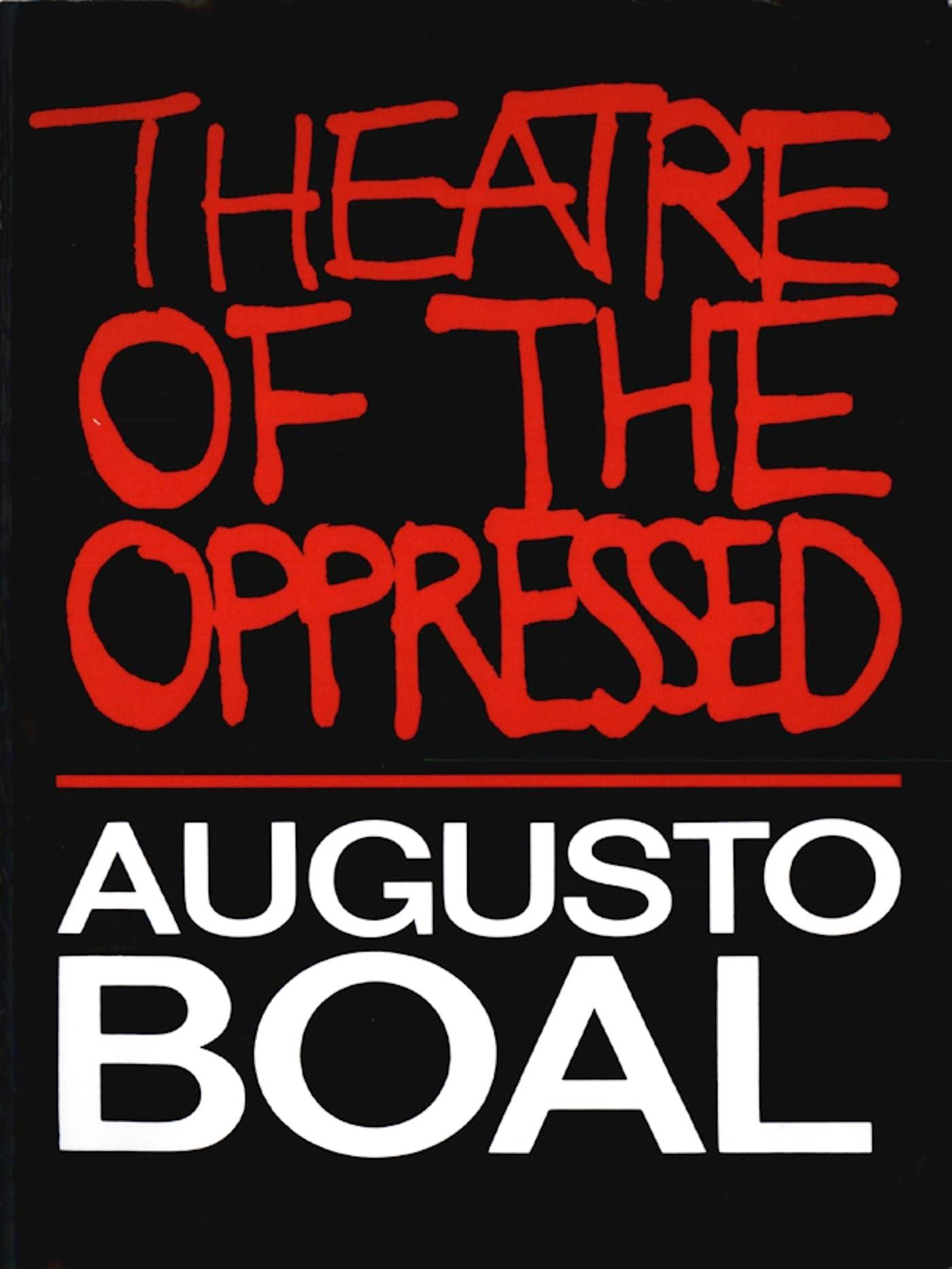
Theatre of the Oppressed
Augusto Boal
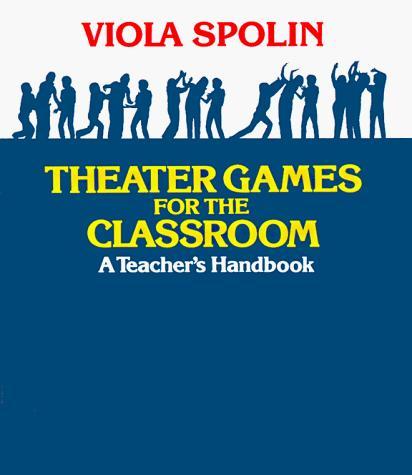
Theater Games for the Classroom
Viola Spolin

Whose Improv Is It Anyway?
Beyond Second City
Amy E. Seham

Improvisation the Michael Chekhov Way
Active Exploration of Acting Techniques
Wil Kilroy
Related Exercises
Rhythm Machine Part Two: The Image Machine
Similar to The Blank Machine but now the machine represents a specific image or concept, adding narrative meaning to the collective creation.
Self-Awareness: Identify Emotions
Exercises for recognizing and naming one's own emotional states in real time, a foundation of emotional intelligence.
Don't Think of the Color Black!
Don't Think of the Color Black! is a focus exercise that demonstrates the impossibility of suppressing a thought once it has been named. Players attempt to clear their minds of a specified image or concept -- the color black -- and immediately discover that the instruction to avoid thinking of it guarantees they will. The exercise is used to introduce discussions about attention, mental focus, and the paradoxical nature of thought suppression.
Machine
Machine is a group exercise in which one player starts a repeating movement and sound, and the rest of the group joins one at a time until the ensemble becomes one interlocking human machine. Each new part has to connect to what is already happening instead of operating as a separate solo. The exercise trains timing, ensemble awareness, physical commitment, and the habit of building something together in full view of the room.
Growing and Shrinking Machine
Growing and Shrinking Machine is a group exercise in which players build a human machine of interconnected sounds and movements, then the machine grows as players join one at a time and shrinks as they leave. The facilitator may control the speed, intensity, or emotion of the machine. The exercise trains ensemble coordination and the ability to contribute a complementary part to a group creation.
I Love You, I Hate You
I Love You, I Hate You is an emotional range exercise in which performers rapidly alternate between expressing love and hatred toward the same person or object. The exercise builds emotional agility, the ability to shift between extreme states without losing commitment, and the physical experience of how quickly emotional reality can transform. It demonstrates that emotional truth in performance is not about feeling -- it is about full physical and vocal commitment to the declared state.
How to Reference This Page
The Improv Archive. (2026). Rhythm Machine Part Three: The Oppression Machine. Retrieved March 17, 2026, from https://improvarchive.org/exercises/rhythm-machine-part-three-the-oppression-machine
The Improv Archive. "Rhythm Machine Part Three: The Oppression Machine." The Improv Archive, 2026. https://improvarchive.org/exercises/rhythm-machine-part-three-the-oppression-machine.
The Improv Archive. "Rhythm Machine Part Three: The Oppression Machine." The Improv Archive, 2026, https://improvarchive.org/exercises/rhythm-machine-part-three-the-oppression-machine. Accessed March 17, 2026.
The Improv Archive is a systemically maintained repository. The archive itself acts as the corporate author.