Deconstruction
The Deconstruction is a long-form improv format that takes a single opening scene and systematically revisits its elements from different angles, time periods, perspectives, or contexts. Each subsequent scene deconstructs an aspect of the original, exploring a character's backstory, a theme's implications, or a relationship's origin. The format demands structural thinking, the ability to identify multiple entry points within a single premise, and the ensemble skill of building an interconnected web of scenes that deepen the audience's understanding of the original material. The Deconstruction rewards analytical improvisers who can identify the richest elements of a scene and expand them into full explorations.
Structure
The show begins with a single opening scene, typically three to five minutes long, in which two or more performers establish characters, a relationship, a location, and a central dynamic. This opening scene is the raw material that the rest of the show will deconstruct.
After the opening scene, the ensemble performs a series of scenes that each explore a different element extracted from the original. One scene examines a character ten years earlier. Another scene explores a minor detail mentioned in passing. A third scene places a similar dynamic in a completely different context. Each scene stands on its own while adding a new layer of meaning to the original.
The format does not follow a linear narrative. Instead, it radiates outward from the original scene, creating a constellation of related moments. Scenes may jump between time periods, locations, and perspectives without transitions or explanations.
As the show progresses, connections between the deconstructed scenes begin to emerge. A detail introduced in one scene illuminates a choice made in another. The audience experiences the satisfaction of discovering these connections as the web of meaning tightens.
The show concludes with a final scene or callback that draws the threads together, often returning to the world of the opening scene with the accumulated weight of everything the audience has learned through the deconstruction.
How to Teach It
How to Explain It
"We are going to play an opening scene. After that scene, everything we do will come from it: a word, an image, a relationship, a moment. We deconstruct what we just made and rebuild it into something new. Give us a suggestion."
Begin by having the ensemble practice identifying deconstructable elements. Perform an opening scene, then have each ensemble member write down three elements they would explore. Compare lists to identify shared instincts and missed opportunities.
The most common failure mode is performers treating the deconstruction as a series of unrelated scenes rather than a connected exploration. Coach for intentional connection: each scene should clearly relate to the opening, even if the relationship is thematic rather than narrative.
Another pitfall is the ensemble deconstructing only the most obvious elements (the main characters, the central conflict) while ignoring the peripheral material that often yields the most surprising scenes. Coach performers to listen for the small, specific details that the opening performers dropped casually.
The format teaches structural thinking that transfers to all long-form work. The skill of identifying which elements of a scene deserve further exploration is fundamental to building satisfying, interconnected long-form shows.
How to Perform It
The opening scene must be rich enough to sustain deconstruction. Performers in the opening should establish multiple characters, relationships, objects, and themes, giving the ensemble a wealth of material to explore. A thin opening scene produces a thin show.
The ensemble must listen to the opening scene with analytical attention, identifying not just the obvious elements (characters, location) but also the subtler material: a throwaway line, a physical gesture, an emotional undercurrent, a power dynamic. The richest deconstructions explore elements that the opening performers did not consciously emphasize.
Each deconstructed scene should reveal something new rather than repeating what the audience already knows. A scene that shows a character's childhood should illuminate a specific behavior observed in the opening, not simply confirm what was already apparent.
The format requires restraint. Not every element of the opening scene needs to be deconstructed. The ensemble should focus on the three or four richest elements and explore them deeply rather than touching every detail superficially.
How to Promote It
The Deconstruction offers audiences a distinctive theatrical experience: watching a single moment expand into a full evening of interconnected stories. The format's structural clarity makes it accessible to audiences unfamiliar with long-form improv, as each scene clearly relates to a shared origin point. For producers, the format creates natural dramatic satisfaction through its web of connections and its return to the opening material.
History
The Deconstruction was developed at the ImprovOlympic (now iO) in Chicago. As documented by Rob Kozlowski in The Art of Chicago Improv, the Deconstruction is among the long-form structures created at ImprovOlympic alongside The Harold, The Movie, and other experimental formats.
The format emerged from the iO tradition of structural experimentation with long-form improvisation. While The Harold established the template for multi-scene, thematically connected long-form shows, The Deconstruction offered a more focused alternative: rather than drawing from multiple opening sources, the entire show radiates from a single scene.
The Upright Citizens Brigade Comedy Improvisation Manual includes The Deconstruction as one of its recommended long-form structures, describing it alongside The Harold and The Monoscene as formats that develop different ensemble skills.
Worth Reading
See all books →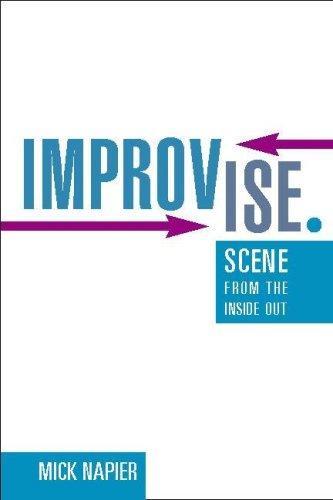
Improvise
Scene from the Inside Out
Mick Napier

Long-Form Improv
The Complete Guide to Creating Characters, Sustaining Scenes, and Performing Extraordinary Harolds
Ben Hauck

Business Improv
Experiential Learning Exercises to Train Employees
Val Gee
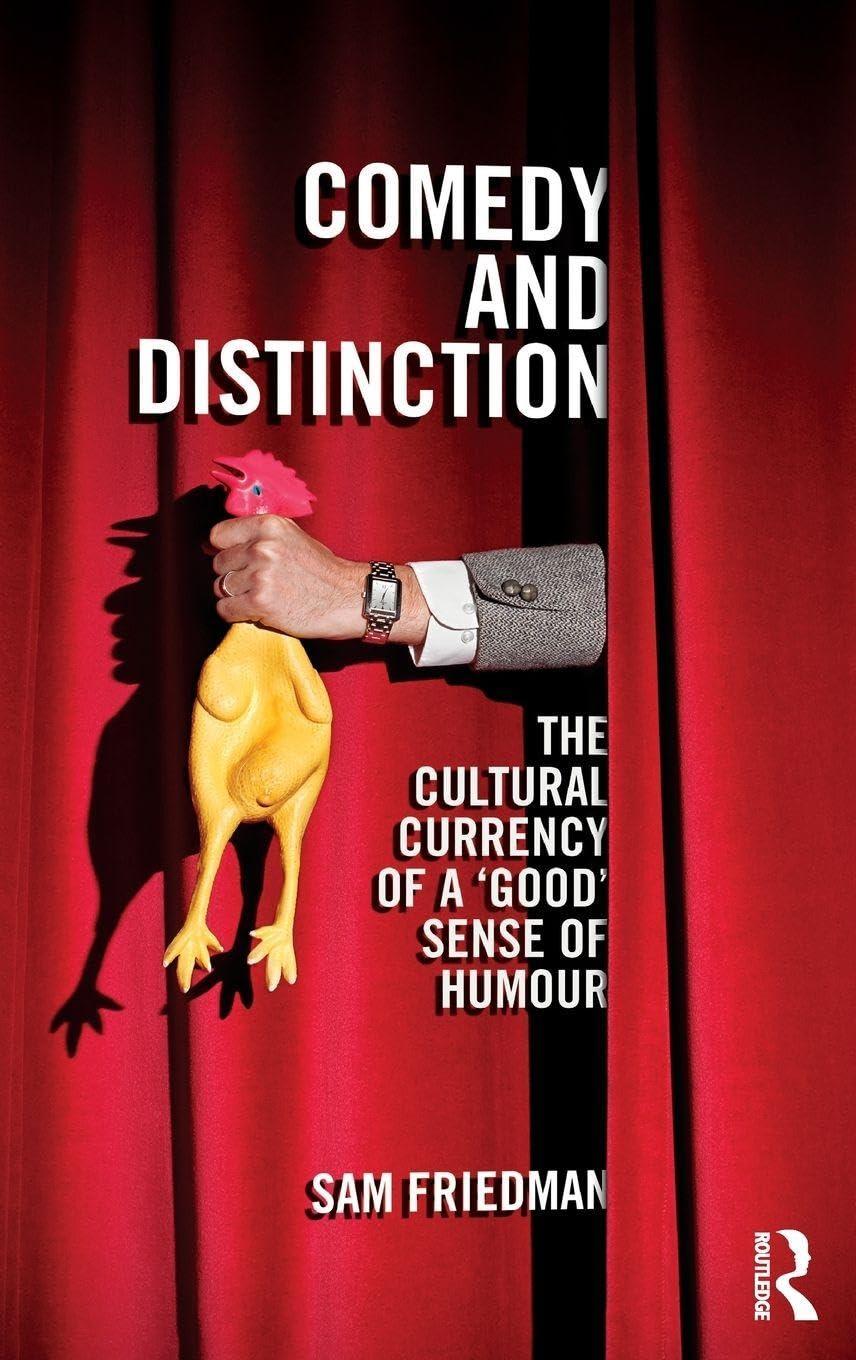
Comedy and Distinction
The Cultural Currency of a 'Good' Sense of Humour
Sam Friedman

Legislative Theatre
Using Performance to Make Politics
Augusto Boal

The Art of Chicago Improv
Short Cuts to Long-Form Improvisation
Rob Kozlowski
Related Formats
Diamond
The Diamond is a long-form improv format in which scenes expand outward from a single opening scene like the widening shape of a diamond, then contract back by revisiting those scenes in reverse order. The symmetrical structure creates a satisfying narrative arc in which themes introduced early are resolved, deepened, or recontextualized as the show returns to each scene. The Diamond rewards careful listening, thematic tracking, and the ability to make callbacks that add meaning rather than simply repeating earlier material. The format offers audiences a clear structural logic that makes the connections between scenes easy to follow while still allowing for improvisational surprise.
Montage
Montage is a long-form improvised format in which performers present a series of thematically connected scenes inspired by a single audience suggestion. Scenes are linked by shared ideas, recurring motifs, emotional resonances, or occasional character callbacks rather than a continuous plot. The format's strength is its flexibility: any scene can follow any scene as long as the thematic connection holds. Montage is one of the foundational structures in Chicago-tradition long-form improvisation and is among the most widely performed long-form formats worldwide.
The Harold
The Harold is the foundational long-form improv structure, serving as the "Latin" of the art form. Developed by **Del Close** and popularized through **The Committee** in San Francisco and later **iO Chicago**, it is a complex, collage-like structure that uses a single suggestion to build a series of interconnected scenes, group games, and thematic explorations. According to the *Upright Citizens Brigade Comedy Improvisation Manual*, the Harold is not just a format but a training tool that teaches improvisers how to listen, find patterns, and connect disparate ideas into a unified whole. It is characterized by its three-beat structure, where three distinct storylines are established, heightened, and eventually merged. It represents the transition of improv from short-form games into a cohesive, long-form theatrical piece, demanding a high level of "group mind" and thematic awareness from its players. The Harold is often described as a "symphony" of improv, where individual melodies (scenes) are woven into a complex, thematic tapestry.
Tapestry
Tapestry is a long-form format in which multiple seemingly unrelated scenes are played across a full show, gradually revealing thematic, character, and narrative connections between them. The full picture emerges only as the show progresses, requiring ensemble patience, callback discipline, and trust that the disparate threads will cohere. The format rewards thematic awareness and is named for the way its elements, invisible in isolation, reveal their pattern once complete.
Slacker
Slacker is a long-form format built around a naturalistic, low-key performance aesthetic. The format prioritizes unhurried conversation, authentic character behavior, and organic scene discovery over high-status games or plotted narrative. Slacker scenes find their material in the texture of everyday life: the ordinary interactions, minor conflicts, and quiet moments that conventional improv formats tend to skip past in favor of more theatrical events.
Feature Film
Feature Film is a long-form improvised format in which the ensemble creates a complete movie onstage, including opening credits, multiple acts, subplot development, and a climactic resolution. The format demands sustained narrative commitment, genre awareness, and ensemble coordination over an extended performance, often running sixty to ninety minutes. Performers draw on cinematic conventions (establishing shots, montages, flashbacks, score changes) translated into theatrical terms. Feature Film rewards structural thinking, the ability to track multiple storylines simultaneously, and the discipline to build toward a satisfying ending.
How to Reference This Page
The Improv Archive. (2026). Deconstruction. Retrieved March 17, 2026, from https://improvarchive.org/formats/deconstruction
The Improv Archive. "Deconstruction." The Improv Archive, 2026. https://improvarchive.org/formats/deconstruction.
The Improv Archive. "Deconstruction." The Improv Archive, 2026, https://improvarchive.org/formats/deconstruction. Accessed March 17, 2026.
The Improv Archive is a systemically maintained repository. The archive itself acts as the corporate author.