Interpretation for the Deaf
Interpretation for the Deaf is a performance game in which one player delivers a speech, presentation, or scene narration while another provides increasingly expressive and divergent sign language interpretation. The interpreter's physical commentary develops a parallel narrative that may amplify, contradict, or heighten what the speaker is saying. The game rewards physical creativity, comic timing, and the ability to find performance opportunities in the gap between the spoken and the signed.
Structure
Setup
Two performers are established: the speaker and the interpreter. A subject is suggested for the speech: a motivational address, a press conference, an acceptance speech, a corporate announcement.
The Speech and Interpretation
The speaker delivers their address with full sincerity and gravitas. The interpreter stands nearby and interprets in real time -- beginning with conventional signed movements but gradually developing a more expressive, idiosyncratic, and autonomous physical vocabulary.
The interpreter's physical performance may diverge from the spoken content: amplifying the speaker's evident subtext, performing the emotional undertones the speaker is suppressing, or developing a parallel story that the signing suggests.
Escalation
The interpreter's interpretation becomes increasingly autonomous as the game progresses. The speaker maintains their delivery while the interpreter's physical narrative grows in complexity, emotional intensity, or narrative divergence from the speech.
Ending
The game ends when the interpreter's performance has reached a climax -- either resolving into correspondence with the speech or arriving at a wholly independent conclusion.
How to Teach It
Objectives
Interpretation for the Deaf trains the physical performer's ability to build a parallel narrative through movement alone, the speaker's discipline of maintaining composed delivery regardless of what the interpreter is doing, and the ensemble's skill of sustaining dual realities simultaneously.
How to Explain It
"Speaker: you believe in what you're saying. Interpreter: you're telling the truth about what's really going on. The audience gets both."
Scaffolding
Begin with interpretation that closely mirrors the speech before encouraging the interpreter to develop autonomous physical narratives. This allows the performer to find the relationship between speech and interpretation before the divergence begins.
Common Pitfalls
Interpreters sometimes make large, obvious physical choices that upstage the speech entirely, breaking the dual-reality structure. The coaching note is that the best interpretation works in relationship to the speech, not in opposition to it -- the comedy lives in the tension between the two, not in one replacing the other.
How to Perform It
Audience Intro
"Tonight's speech will be interpreted for the deaf. We note that our interpreter is certified."
Cast Size
Exactly 2 performers: one speaker, one interpreter.
Staging
Speaker at a podium or central position; interpreter slightly to the side and behind, visible but secondary. Both must be visible to the full audience simultaneously.
Wrap-Up Logic
End when the interpreter's physical narrative peaks. The speech may close formally, or the interpreter's final gesture may be the button.
Worth Reading
See all books →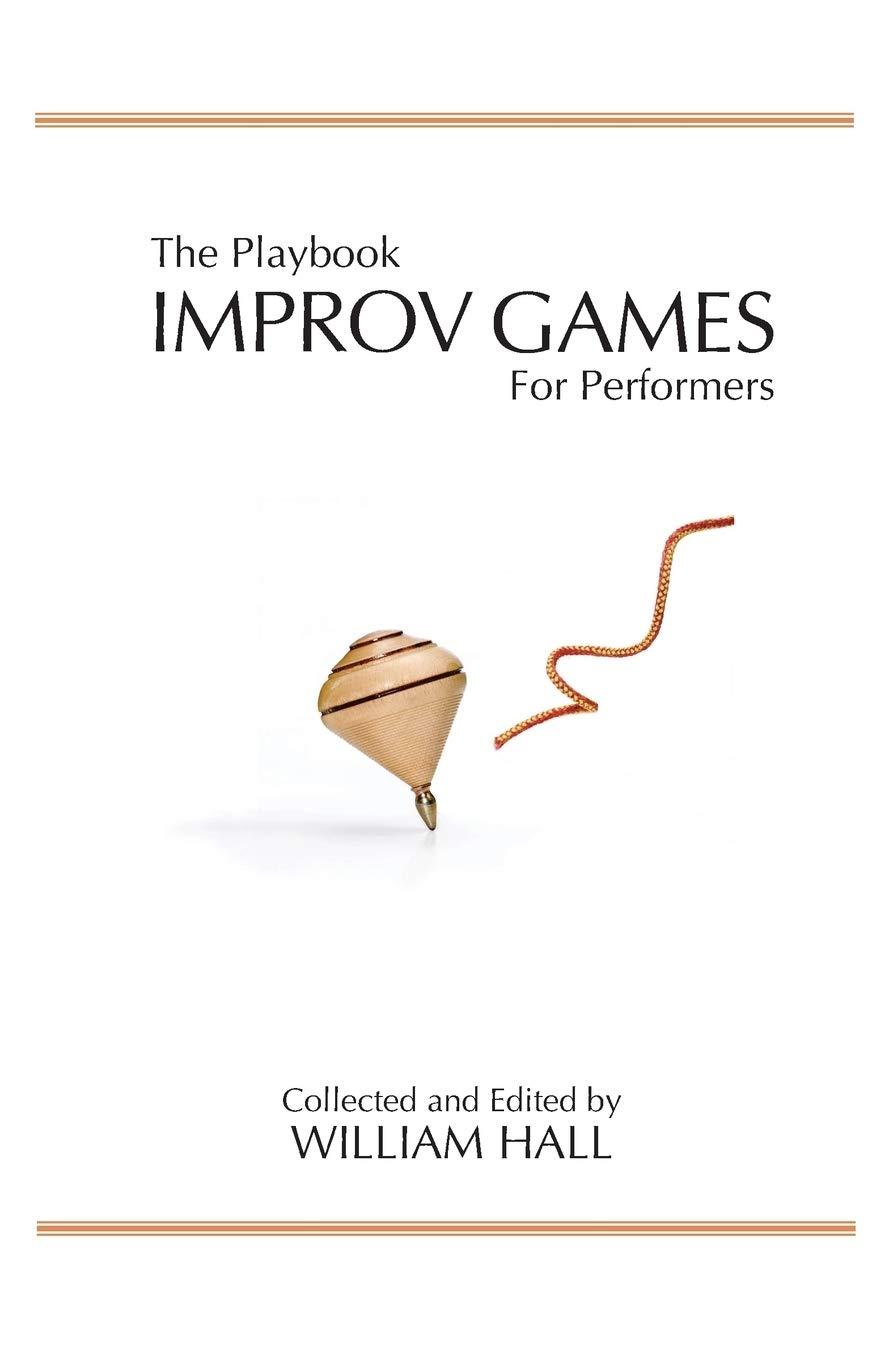
The Playbook
Improv Games for Performers
William Hall
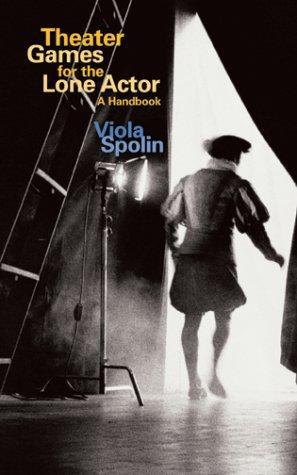
Theater Games for the Lone Actor
Viola Spolin
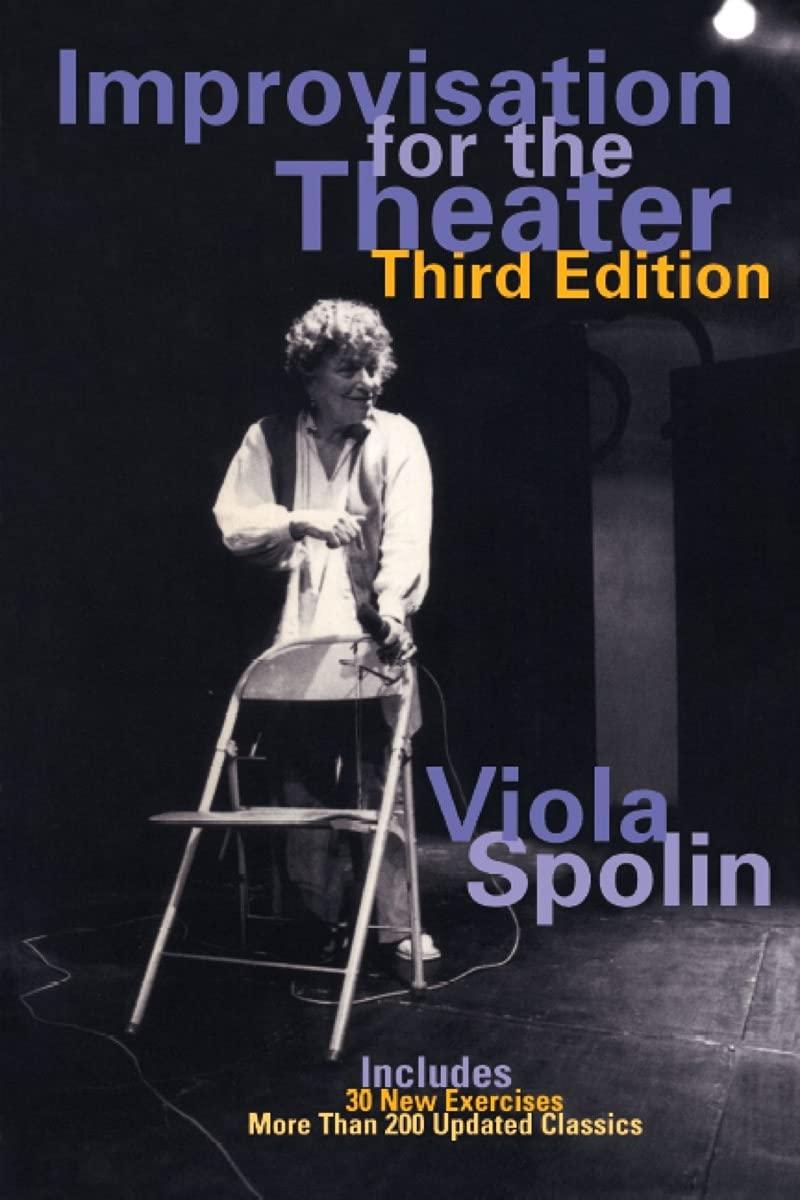
Improvisation for the Theater
A Handbook of Teaching and Directing Techniques
Viola Spolin
Theater Games for Rehearsal
Viola Spolin
Impro for Storytellers
Keith Johnstone

Improvisation for Actors and Writers
A Guidebook for Improv Lessons in Comedy
Bill Lynn
Related Games
Gibberish Expert
Gibberish Expert is a performance game in which one player delivers an expert lecture or demonstration entirely in gibberish while a translator renders it into English for the audience. The expert's vocal commitment and physicality must be so compelling that the translator has rich material to interpret. The game rewards both the speaker's expressiveness and the translator's inventiveness.
Gibberish Award Ceremony
Gibberish Award Ceremony is a performance game in which an awards ceremony is conducted entirely in gibberish, with a translator providing English interpretation for the audience. A host conducts the event, presenters deliver speeches in invented nonsense language, and winners accept their awards with heartfelt gibberish gratitude. The translator -- speaking after or simultaneously -- renders each utterance into English, constructing comedy from the gap between the formal occasion and the invented language. The game rewards committed performance and the translator's ability to build coherent, escalating comedy from abstract vocal material.
Film Dub
Film Dub is a performance game in which performers provide improvised dialogue over a silent film, foreign language clip, or muted video playing on a screen. The performers must match their dialogue to the on-screen actors' mouth movements and physical actions. The game rewards quick verbal invention and the ability to justify visual information in real time.
Translate Gibberish
Translate Gibberish is a game in which one performer speaks in invented language while a partner translates the gibberish into coherent English. The translator must interpret the emotional tone, physicality, and rhythm of the gibberish speaker to create a plausible translation. The game rewards attentive physical listening and creative interpretation.
Malapropism
Malapropism is a short-form game in which performers play a scene while deliberately substituting incorrect but similar-sounding words for the intended ones. The audience enjoys the comic confusion that results from the mangled language, while the scene partners must stay committed to the reality of the conversation. The game trains verbal dexterity and the ability to maintain scene logic under an absurd constraint.
Foreign Movie
Foreign Movie is a dubbing game in which two performers speak in gibberish while two others provide simultaneous English "translation." The physical actors commit to emotional performance without real language while the translators construct a narrative from the vocal and physical cues. The game rewards the translators' ability to build coherent meaning from abstract input.
How to Reference This Page
The Improv Archive. (2026). Interpretation for the Deaf. Retrieved March 17, 2026, from https://improvarchive.org/games/interpretation-for-the-deaf
The Improv Archive. "Interpretation for the Deaf." The Improv Archive, 2026. https://improvarchive.org/games/interpretation-for-the-deaf.
The Improv Archive. "Interpretation for the Deaf." The Improv Archive, 2026, https://improvarchive.org/games/interpretation-for-the-deaf. Accessed March 17, 2026.
The Improv Archive is a systemically maintained repository. The archive itself acts as the corporate author.