Irish Drinking Song
Irish Drinking Song is a musical performance game in which the cast creates an improvised song in the style of a rousing pub ballad, with performers contributing one line at a time in rotation to a fixed AABB rhyme scheme and a predictable musical structure. The game is designed to be accessible to non-singers: the structure does most of the work, and the challenge is rhyming ability and the ensemble's capacity to construct a coherent verse collaboratively under the rhythm's forward momentum.
Structure
Setup
A musician is established at the keyboard or guitar. An audience suggestion provides the song's subject: typically a topic with emotional range -- love, loss, a particular profession, a specific food. The cast stands in a line, each responsible for one line of each verse.
The Song Structure
The song follows a fixed architecture:
- Four lines per verse, AABB rhyme scheme
- Each performer contributes one line in sequence
- A recurring chorus between verses (often a repeated phrase or simple refrain)
- The last performer's line ends the verse and sets the rhyme for the last-line callback
The musician establishes the tempo and key; the cast sings over the same chord progression for each verse.
The Verses
The cast builds the song verse by verse. Each performer listens to the line before theirs and contributes a line that rhymes correctly and advances the story, sentiment, or absurdity of the verse. The final performer's line often has the comic button.
Ending
The song ends after a set number of verses or when the musical director brings the song to its final chorus and a held closing note.
How to Teach It
Objectives
Irish Drinking Song trains rhyming under time pressure, the ability to listen to what the preceding line has set up and respond with both rhyme and narrative contribution, and the ensemble's capacity to build a shared song in real time.
How to Explain It
"Four lines, AABB rhyme. You get one line each. When it's your turn, you've already heard what rhyme you need to land on -- find a word and build a line back from there. The music won't wait for you."
Scaffolding
Practice the rhyme scheme in spoken form before adding music. The structure should be automatic before the musical pressure is added. Establish the chorus before running a full song so the ensemble has a familiar refrain to return to between verses.
Common Pitfalls
Performers sometimes reach their turn without a rhyme prepared and pause while searching -- stopping the music's momentum. The coaching note is to find the rhyme first and build the line backward from it, rather than constructing the line forward and hoping a rhyme arrives at the end.
How to Perform It
Audience Intro
"We'll need a subject for tonight's song. Something with real emotional weight."
Cast Size
Ideal: 4 to 6 performers. One line per verse per performer. Larger casts produce more variety; smaller casts require faster transitions.
Musical Requirements
A live musician -- keyboard or guitar -- is essential. The musician sets the tempo and guides the cast's timing. The song's predictable structure allows the musician to support performers who drift in tempo.
Wrap-Up Logic
The musical director signals the final verse and the closing chorus. A held final note brings the song to its end.
Worth Reading
See all books →
Group Improvisation
The Manual of Ensemble Improv Games
Peter Campbell Gwinn; Charna Halpern

Acting Through Improv
Improv Through Theatresports
Lynda Belt; Rebecca Stockley

Pirate Robot Ninja
An Improv Fable
Billy Merritt; Will Hines

The Upright Citizens Brigade Comedy Improvisation Manual
Matt Besser; Ian Roberts; Matt Walsh
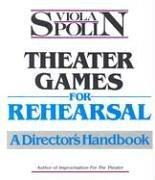
Theater Games for Rehearsal
Viola Spolin
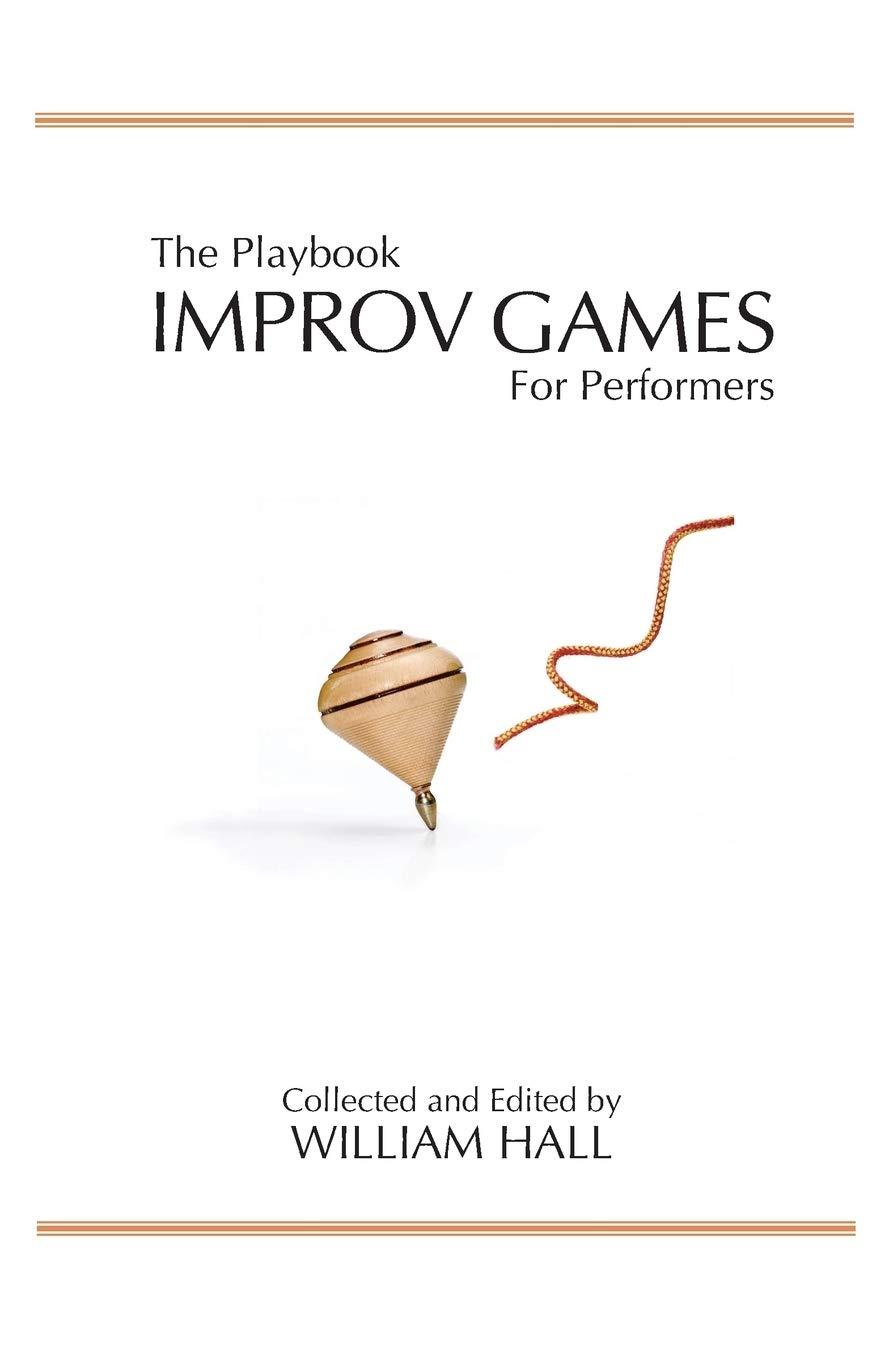
The Playbook
Improv Games for Performers
William Hall
Related Games
Bad Rap
Bad Rap is a short-form performance game in which players deliver improvised rap verses on audience-suggested topics. Performers must maintain rhythm, rhyme, and comedic content simultaneously. The game rewards musical confidence and the ability to construct wordplay under rhythmic pressure.
Ping Pong Ballad
Ping Pong Ballad is a musical improv game in which two performers or pairs alternate singing verses of an improvised song, each building on or responding to the other's lyrics. The back-and-forth structure creates a musical conversation that develops over successive exchanges. The game rewards melodic consistency and lyrical wit.
Song Style Galore
Song Style Galore is a musical improv game in which performers must sing improvised songs in a variety of audience-suggested musical genres, switching styles rapidly. The game tests musical versatility and the ability to capture the vocal and rhythmic signatures of different genres on the fly. It rewards performers with broad musical knowledge and confident singing.
Doo Wop
Doo Wop is a musical performance game in which performers create an improvised song in the style of 1950s doo-wop, complete with harmonizing backup vocals and a lead singer. The familiar genre conventions provide a strong structural scaffold: backup singers maintain a simple repeating pattern while a lead singer improvises melody and lyrics, and the whole ensemble moves and vocalizes within the style's recognizable idiom.
Beatnik Poet
Beatnik Poet is a short-form performance game in which a player delivers an improvised poem in the style of a 1950s coffeehouse poet. The audience provides a topic and the performer must sustain a stream of free-verse imagery with dramatic flair. The game is closely related to Beat Poets and rewards the same skills of verbal invention and heightened delivery.
Rap Battle
Rap Battle is a musical improv game in which two performers trade improvised rap verses, each responding to and topping the other's rhymes. The competitive structure creates natural escalation and audience engagement. The game rewards rhythmic confidence, quick rhyming, and the ability to listen while composing.
How to Reference This Page
The Improv Archive. (2026). Irish Drinking Song. Retrieved March 17, 2026, from https://improvarchive.org/games/irish-drinking-song
The Improv Archive. "Irish Drinking Song." The Improv Archive, 2026. https://improvarchive.org/games/irish-drinking-song.
The Improv Archive. "Irish Drinking Song." The Improv Archive, 2026, https://improvarchive.org/games/irish-drinking-song. Accessed March 17, 2026.
The Improv Archive is a systemically maintained repository. The archive itself acts as the corporate author.