Non Sequitor
Non Sequitur is a scene game in which performers deliberately respond to each other with statements that have no logical connection to what was just said. Despite the apparent randomness, players must commit to each line with full emotional conviction. The game reveals how much meaning an audience will project onto confident performance and trains players to trust the unexpected.
Worth Reading
See all books →
Group Improvisation
The Manual of Ensemble Improv Games
Peter Campbell Gwinn; Charna Halpern
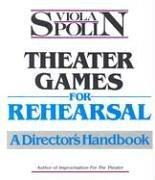
Theater Games for Rehearsal
Viola Spolin

Acting Through Improv
Improv Through Theatresports
Lynda Belt; Rebecca Stockley

Pirate Robot Ninja
An Improv Fable
Billy Merritt; Will Hines

The Upright Citizens Brigade Comedy Improvisation Manual
Matt Besser; Ian Roberts; Matt Walsh
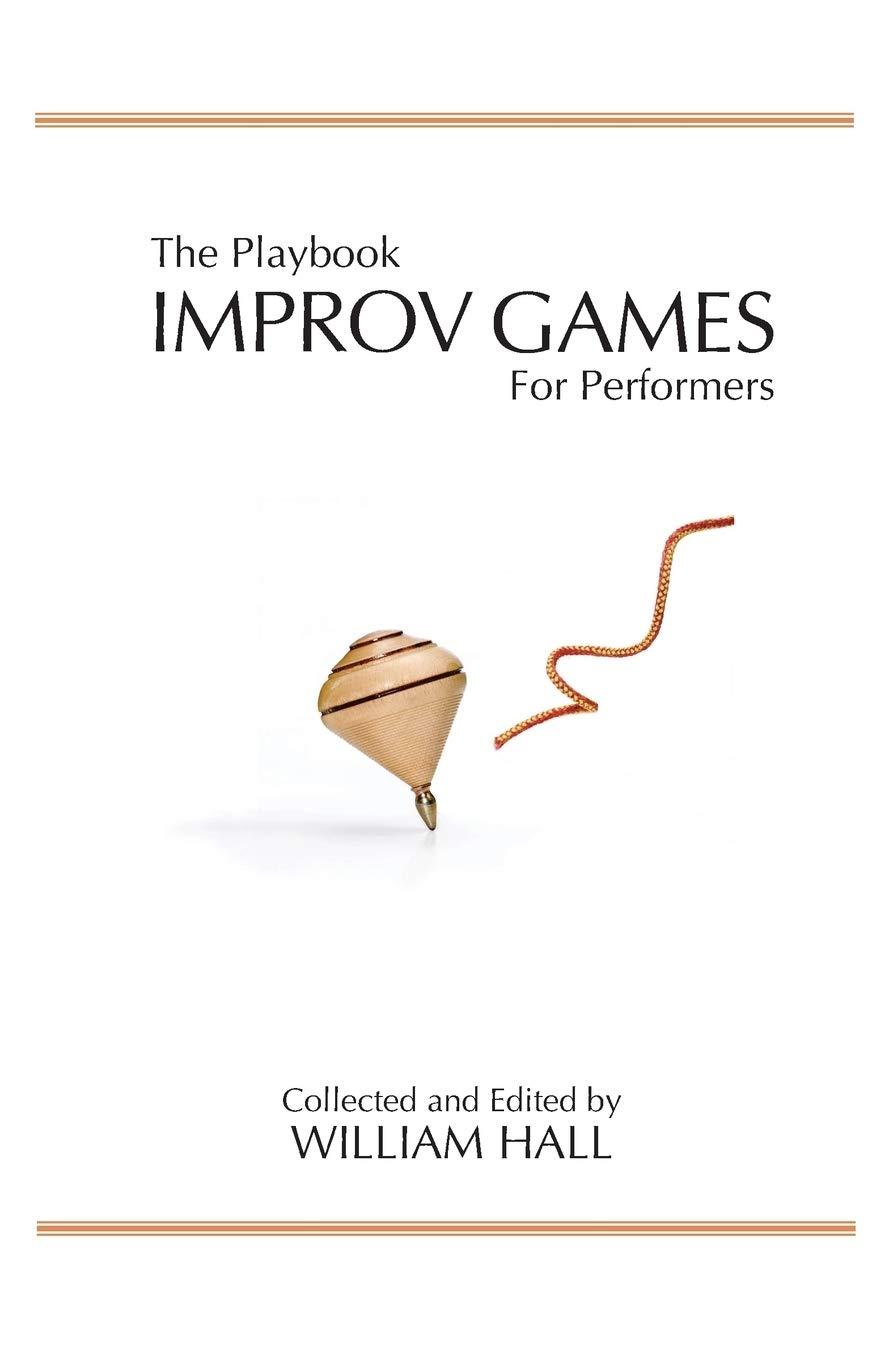
The Playbook
Improv Games for Performers
William Hall
Related Games
Switch Gibberish
Switch Gibberish is a scene game in which performers alternate between speaking coherent dialogue and gibberish on command. Scene partners must maintain the scene's emotional arc and narrative logic regardless of which mode they are in. The game demonstrates how much communication happens through tone and physicality independent of words.
Script Tease
Script Tease is a short-form game in which performers hold actual scripts or random text and must incorporate whatever lines they read into an improvised scene, making the pre-written words seem like natural dialogue. The game rewards the ability to justify unexpected text within a coherent dramatic context.
Written Lines
Written Lines is a scene game in which performers hold slips of paper with pre-written lines that they must incorporate naturally into an improvised scene at opportune moments. The challenge lies in finding the right context to deliver each unrelated line without breaking the scene's logic. The game rewards smooth justification and the ability to steer a scene toward unexpected material.
Questions Only
Questions Only is a scene game in which performers must communicate exclusively through questions. Any player who makes a declarative statement, hesitates, or repeats a question pattern is replaced by another performer. The game has roots in Keith Johnstone's TheatreSports and was popularized by Whose Line Is It Anyway. It trains quick thinking and the ability to advance scenes without statements.
Gibberish Malapropism
Gibberish Malapropism is a scene game in which performers speak mostly in English but periodically substitute gibberish for key nouns or verbs. The audience and scene partners must infer the meaning of each gibberish word from context. The game rewards clear, specific scene-work: the more vividly the scene establishes its world, the more accessible the gibberish substitutions become. It trains contextual specificity and attentiveness in both performers and audience.
Malapropism
Malapropism is a short-form game in which performers play a scene while deliberately substituting incorrect but similar-sounding words for the intended ones. The audience enjoys the comic confusion that results from the mangled language, while the scene partners must stay committed to the reality of the conversation. The game trains verbal dexterity and the ability to maintain scene logic under an absurd constraint.
How to Reference This Page
The Improv Archive. (2026). Non Sequitor. Retrieved March 17, 2026, from https://improvarchive.org/games/non-sequitor
The Improv Archive. "Non Sequitor." The Improv Archive, 2026. https://improvarchive.org/games/non-sequitor.
The Improv Archive. "Non Sequitor." The Improv Archive, 2026, https://improvarchive.org/games/non-sequitor. Accessed March 17, 2026.
The Improv Archive is a systemically maintained repository. The archive itself acts as the corporate author.