Presents
Presents is a short-form game and warm-up exercise in which players mime giving and receiving wrapped gifts. The recipient opens the imaginary package and enthusiastically identifies what is inside through physical reaction and commitment, while the giver must accept whatever the recipient names. The game trains object work, acceptance, and generous physical commitment to offers.
Structure
Setup
Two players face each other. No audience suggestion is required. The game is played in pairs or in a circle with players rotating through giving and receiving roles.
Progression
Player A mimes holding a wrapped gift of a specific size and weight. The mime must be specific and committed: a small, heavy box is held differently than a large, light one. Player A hands the gift to Player B.
Player B receives the object with full physical commitment -- registering the weight, the shape, the texture of the wrapping through their hands and body. Player B then opens the gift with physicality: tearing paper, lifting a lid, removing tissue. The recipient's physical reaction in the moment of opening must convey what the object is before they name it.
Player B names and celebrates what is inside: not by announcing it flatly but by reacting as if receiving exactly what they wanted. The identification should emerge from the physical reality of what the object "feels like" -- its size, its weight, the way it moves -- rather than from a predetermined idea.
Player A accepts whatever Player B identifies as the gift without correction. This is the core yes-and mechanic of the game: the giver's imagined gift becomes whatever the receiver's physical commitment reveals it to be.
In the warm-up exercise version, players then switch roles. In the short-form performance version, a pair plays a sequence of exchanges for an audience, with each gift prompting a brief celebratory reaction before the next exchange begins.
Conclusion
The game is complete when each pair has completed a full round of giving and receiving. In performance, the host ends the game at a natural comedic high point -- usually when a particularly surprising or perfectly committed identification lands well with the audience.
Common Pitfalls
The most common failure is pre-planning: the receiver deciding what the gift is before engaging with the physical mime. The game collapses into a verbal exercise rather than a physical one. Coaches watch for players who name the gift immediately on receiving the object, before opening it and reading its physical qualities.
A second failure is the giver correcting the receiver's identification: "I thought it was a vase, not a watering can." This blocks the yes-and principle the game depends on. Once the receiver has named the gift, the giver's original imaginary intent is irrelevant.
A third failure is low commitment to the opening moment. Players who half-heartedly mime tearing paper or who open an imaginary lid too quickly rob the game of its physical specificity.
How to Teach It
How to Explain It
"You are going to give your partner a present. The present has a specific weight, size, and fragility. Hand it over as if it is real. Your partner receives it and shows us what it is by how they handle it."
Objectives
Presents builds object work precision (miming the specific physical qualities of an imaginary object), acceptance (yes-and as a physical rather than merely verbal practice), and physical generosity (committing to a receiver's reality rather than insisting on one's own plan).
Scaffolding
For beginners, ask the giver to establish the weight of the gift first before handing it over. Slow down the exchange so the physical mime is deliberate: wrap an imaginary object, tie it, place it in a bag. This scaffolding forces specificity before the game's speed and playfulness take over.
A useful intermediate constraint: the receiver must mime opening the gift for a minimum of ten seconds before naming it. This prevents the common failure of premature naming and forces physical commitment to the opening moment.
For advanced players, add a constraint that the receiver cannot name the gift out loud -- they can only react physically. The giver and the audience must identify what was received through the receiver's physical response alone.
Common Coaching Notes
- "Feel its weight before you hand it over."
- "Open it before you name it. What does it feel like?"
- "Whatever they call it -- that's what it is. Say yes."
- "Commit to the object as if it's the best thing you've ever received."
- "Don't plan what's inside. Let the mime tell you."
How to Perform It
Cast Size
Two players per pair. The game works with any even number of players performing simultaneously or with one pair performing for an audience at a time.
Roles
Giver and Receiver. Roles rotate after each exchange. In performance, two players typically play a sequence of three to five exchanges before a new pair enters.
Key Skills
Physical specificity is the primary skill: the giver must commit to a clear physical mime that communicates size, weight, and texture. The receiver must read that physical information and build an identification from it rather than ignoring the mime and naming something arbitrary. Acceptance is the secondary skill: the giver must take the receiver's identification as the truth of what was given.
Technical Requirements
Stage: Open floor space. No furniture, props, or special configuration needed. Lighting: Standard wash. Sound: No technical requirements.
History
Keith Johnstone created the Presents game and documents it in Impro (1979), describing it as "a rather childish game, which is now often used with small children, but works really well" with adult players. Johnstone's invention captures two fundamental improv principles in a single mechanic: physical specificity in object work and acceptance of a partner's offer regardless of the giver's original intent.
The game's structure -- in which the receiver's imagination takes precedence over the giver's -- makes it an especially effective teaching tool for groups working on blocking behavior. Players who instinctively "correct" a partner's identification of their gift are exhibiting the same blocking impulse that disrupts scenes: privileging their own plan over their partner's offer.
The game circulates widely in improv warm-up curricula and appears in resources for young performers and non-theatre participants, consistent with Johnstone's description of its accessibility to children. Its simplicity and clear yes-and mechanics make it a standard early-session exercise in both traditional improv training and applied contexts.
Worth Reading
See all books →
Business Improv
Experiential Learning Exercises to Train Employees
Val Gee
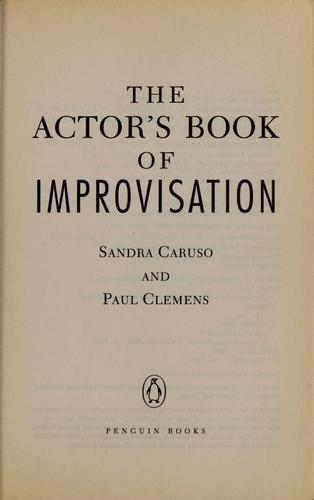
The Actor's Book of Improvisation
Sandra Caruso; Paul Clemens
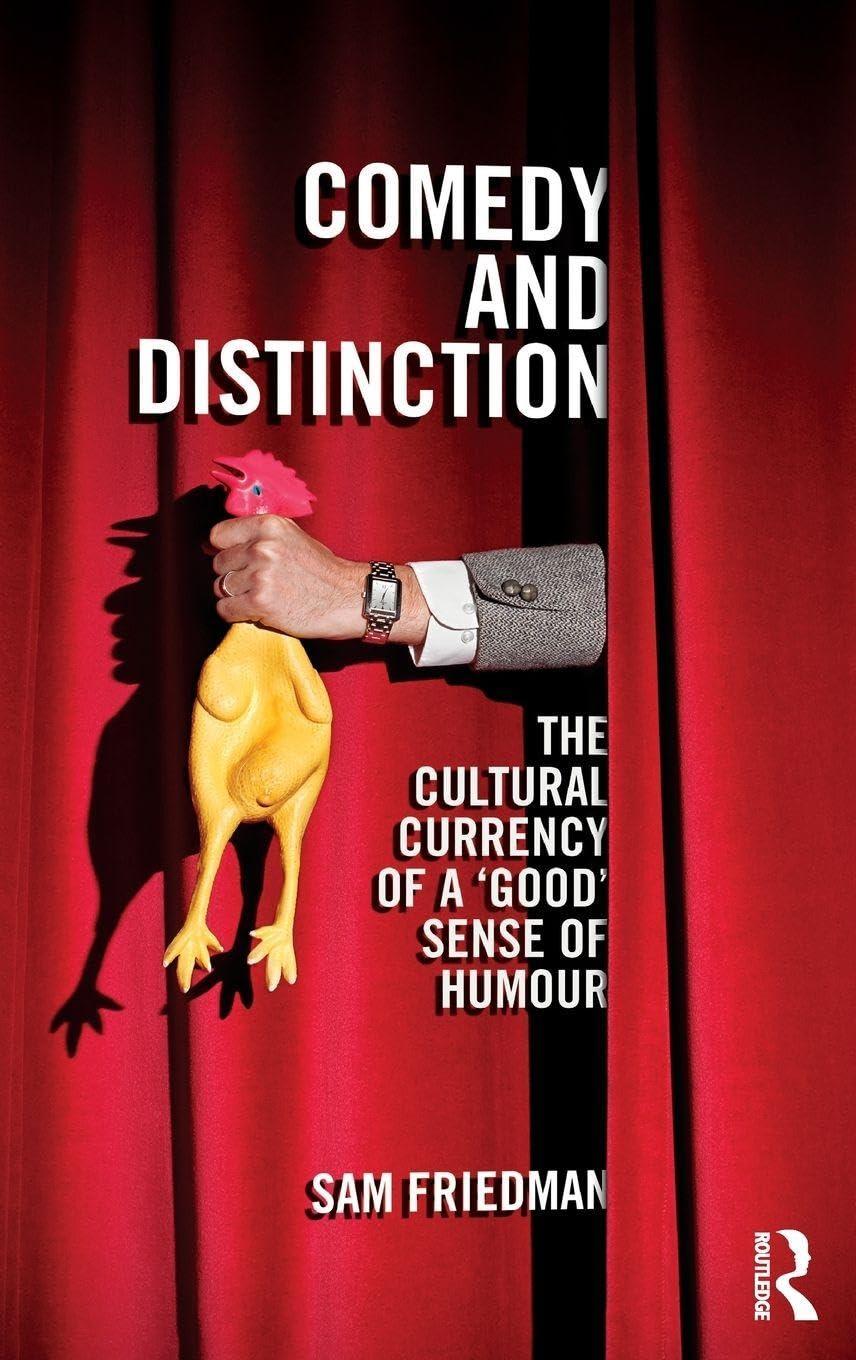
Comedy and Distinction
The Cultural Currency of a 'Good' Sense of Humour
Sam Friedman

Legislative Theatre
Using Performance to Make Politics
Augusto Boal

Theatrical Improvisation
Short Form, Long Form, and Sketch-Based Improv
Jeanne Leep

Devising Performance
A Critical History
Deirdre Heddon; Jane Milling
How to Reference This Page
The Improv Archive. (2026). Presents. Retrieved March 17, 2026, from https://improvarchive.org/games/presents
The Improv Archive. "Presents." The Improv Archive, 2026. https://improvarchive.org/games/presents.
The Improv Archive. "Presents." The Improv Archive, 2026, https://improvarchive.org/games/presents. Accessed March 17, 2026.
The Improv Archive is a systemically maintained repository. The archive itself acts as the corporate author.