Scene in the Dark
Scene in the Dark is a game in which performers play a scene with the stage lights turned off, relying entirely on vocal expression and sound to convey character, emotion, and physical action. The darkness forces audiences and performers alike to engage through listening. The game highlights how much information voice and sound carry independent of visual performance.
Worth Reading
See all books →
Improvising Real Life
Personal Story in Playback Theatre
Jo Salas

The Improv Illusionist
Using Object Work, Environment, and Physicality in Performance
David Raitt
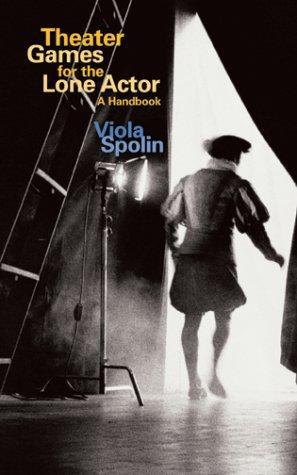
Theater Games for the Lone Actor
Viola Spolin
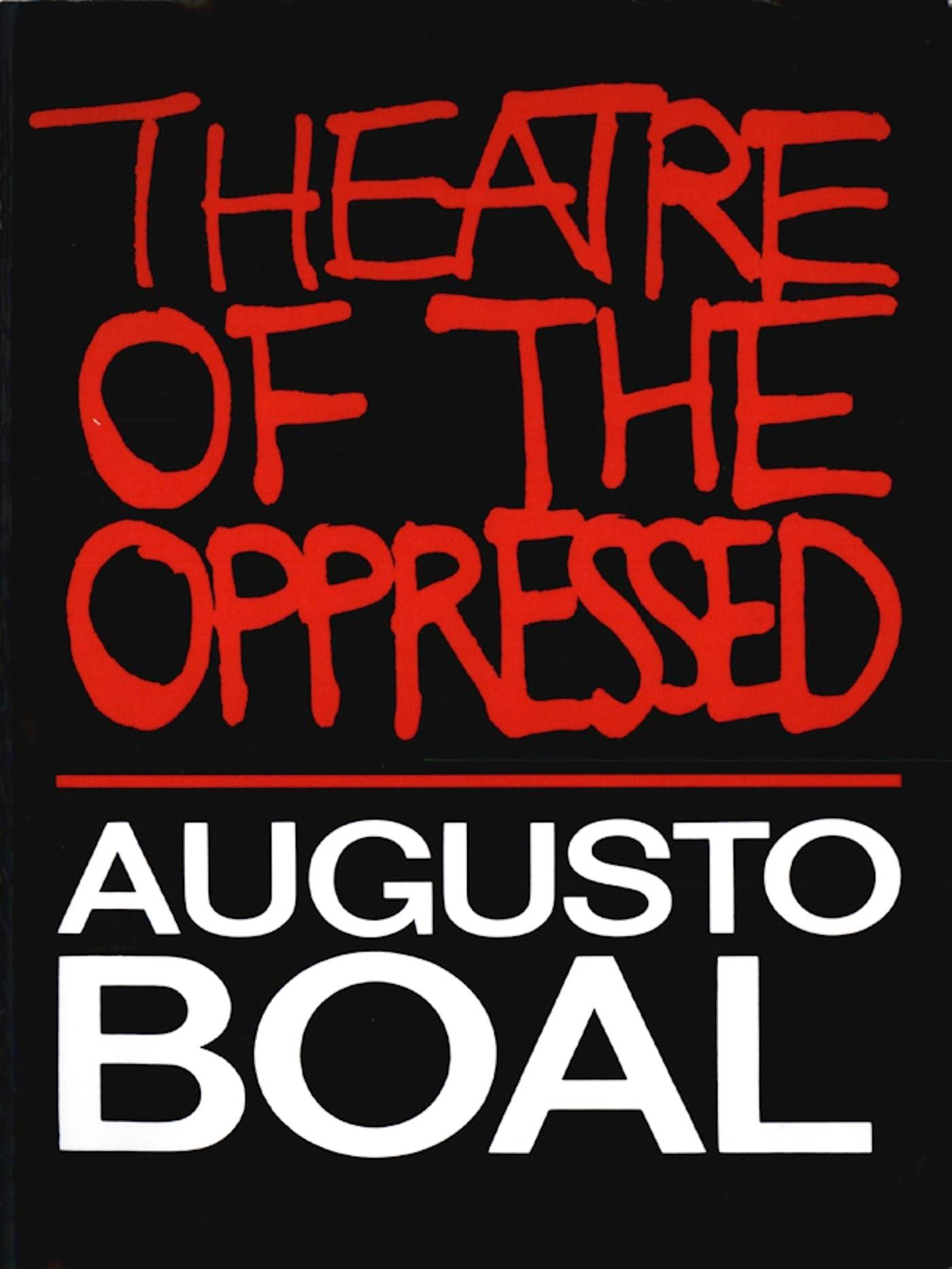
Theatre of the Oppressed
Augusto Boal

Theater Games for Rehearsal
Viola Spolin

Improvisations in Creative Drama
A Program of Workshops
Betty Keller
Related Games
Radiophonics
Radiophonics is a performance game in which players create an improvised radio play using only their voices and sound effects, without any visual performance. The audience closes their eyes or the performers work behind a screen. The game trains vocal expressiveness, sound design, and the ability to paint vivid pictures through audio alone.
Dubbed Movie
Dubbed Movie is a scene game in which one set of performers provides the physical action while a separate group supplies all voices from offstage or from the side. The disconnect between bodies and voices generates comedy through mismatched timing, unexpected interpretations, and the challenge of physical performers having to commit fully to words they cannot predict. The game trains both physical storytelling and vocal responsiveness.
Film Dub
Film Dub is a performance game in which performers provide improvised dialogue over a silent film, foreign language clip, or muted video playing on a screen. The performers must match their dialogue to the on-screen actors' mouth movements and physical actions. The game rewards quick verbal invention and the ability to justify visual information in real time.
Behind Closed Doors
Behind Closed Doors is a scene game in which the audience sees only the moments before characters enter and after they exit a room, never what happens inside. Players must convey dramatic events through their changed demeanor, dialogue, and physical state upon emerging. The game trains performers to communicate offstage action through behavior.
Continuing Emotions
Continuing Emotions is a scene game in which performers cycle through a series of emotional states at the direction of a caller. Each emotional shift must be justified within the scene's reality rather than simply displayed, with characters finding a reason to feel the new state given what has just happened. The game trains emotional range, commitment, and the ability to sustain scene logic through rapid change.
How to Reference This Page
The Improv Archive. (2026). Scene in the Dark. Retrieved March 17, 2026, from https://improvarchive.org/games/scene-in-the-dark
The Improv Archive. "Scene in the Dark." The Improv Archive, 2026. https://improvarchive.org/games/scene-in-the-dark.
The Improv Archive. "Scene in the Dark." The Improv Archive, 2026, https://improvarchive.org/games/scene-in-the-dark. Accessed March 17, 2026.
The Improv Archive is a systemically maintained repository. The archive itself acts as the corporate author.