Sideways
Sideways is a physical constraint game in which the entire scene is performed with performers' bodies oriented to one side rather than facing the audience directly. The sideways orientation creates a flattened visual plane that forces performers to rethink conventional blocking and find new spatial solutions. The game develops spatial creativity and challenges performers' habitual relationships to the audience and stage space.
Structure
Setup
Performers receive a scene suggestion. Before beginning, the constraint is announced: throughout the scene, both performers must keep their bodies facing sideways (stage left or stage right) at all times. They may not face the audience or turn to face each other frontally.
Gameplay
The scene proceeds under the physical constraint. Performers must find ways to communicate relationship, action, and emotion while maintaining their sideways orientation. Eye contact between players requires turning heads without turning bodies; physical contact requires negotiating positions that satisfy the constraint. Movement through the space is restricted to lateral travel.
The constraint creates visual comedy and physical problem-solving. Moments that would normally be played face-to-face must be reimagined: a confrontation, an embrace, or a handshake all require spatial creativity. Audiences enjoy watching performers find solutions, and the physical constraint often generates unexpected physical comedy.
A variant runs the scene from an overhead or top-down perspective (performers lie on the floor and play the scene as though the audience is looking down at them from above). Another variant uses slow motion as the constraint rather than orientation.
Debrief
After the scene, players discuss which spatial solutions felt natural versus forced. The debrief surfaces habits around facing the audience and reveals how much of standard blocking is convention rather than necessity.
How to Teach It
How to Explain It
"You may only move sideways. You may not face upstage or downstage. Every choice you make about space and direction must work within that constraint. Start a scene."
Objectives
Sideways develops spatial awareness and challenges habitual blocking. Most performers default to a front-facing orientation that serves the audience but may not serve the scene's physical logic. The sideways constraint makes this habit visible by removing it and requiring performers to find alternatives.
The exercise also develops physical problem-solving: how does an actor play a fight, an embrace, or a meal in a sustained sideways orientation? The solutions performers find under constraint often reveal creative physical choices that would never arise in conventional staging.
Scaffolding
Begin by having performers walk the space in a sustained sideways orientation for two minutes before any scene work. This builds physical familiarity with the orientation and surfaces its basic challenges.
For the scene version, start with simple scenes that have minimal physical interaction: two characters talking. Add physical complexity gradually: scenes that require movement, then scenes that require physical contact.
Common Coaching Notes
- "Your body is facing forward. Sideways means sideways."
- "What can you see from this angle that you couldn't see from the front?"
- "Find a solution. Don't pause the scene to figure it out."
- "The constraint is not the problem. The scene is still the scene."
How to Perform It
The game's entertainment value comes from the visible effort of maintaining an unusual physical constraint while performing a coherent scene. The audience's pleasure is partly in the constraint itself and partly in watching performers find creative solutions.
The most successful performances find ways to make the constraint serve the scene rather than merely endure it. When a sideways orientation creates a visual metaphor for distance, alienation, or parallel action without connection, the constraint becomes expressive rather than just comic. When performers fight the constraint or visibly ignore it, the game collapses.
Coaching the scene from outside is effective: a director who redirects performers back to the constraint when they drift toward conventional orientation helps maintain the game's premise.
History
Sideways belongs to a family of physical constraint games that use unusual body orientation or movement restriction to develop performers' spatial creativity and challenge habitual staging choices. Physical constraint exercises appear throughout improv and physical theatre training curricula.
Augusto Boal in Games for Actors and Non-Actors documents exercises in which participants move in prescribed spatial patterns (including sideways like crabs), demonstrating the training value of restricted movement as a tool for physical awareness. The specific game of performing scenes in a sustained sideways orientation has not been documented under this name in published improv sources, though the pedagogical principle it embodies is well-established.
Worth Reading
See all books →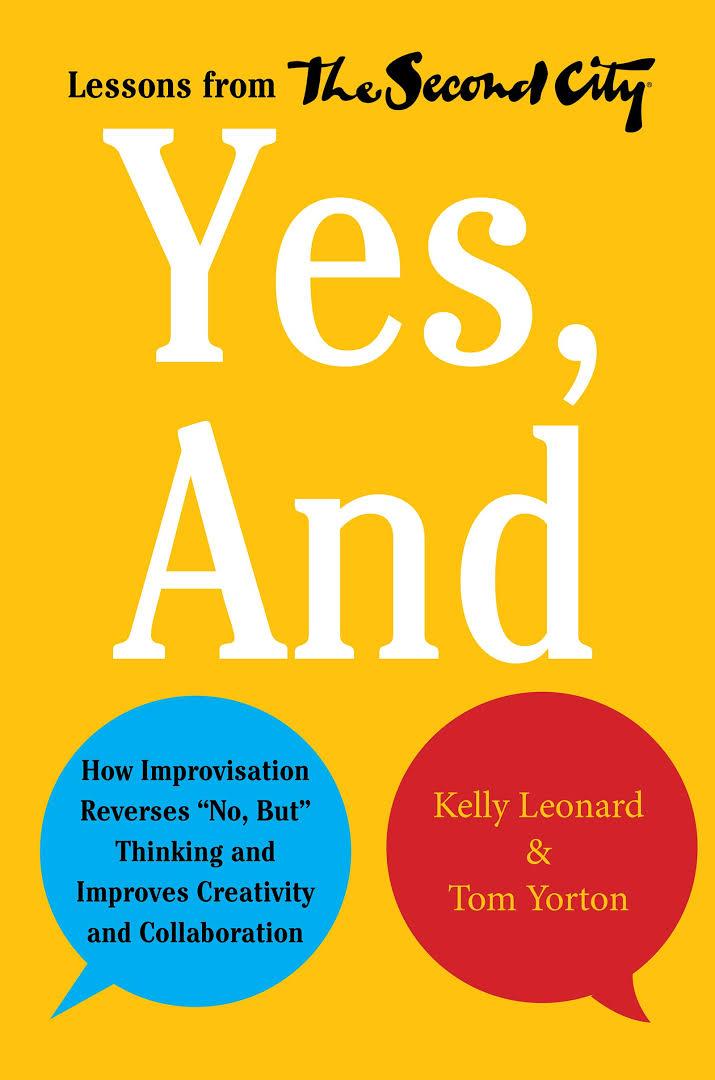
Yes, And
How Improvisation Reverses No, But Thinking and Improves Creativity and Collaboration
Kelly Leonard; Tom Yorton
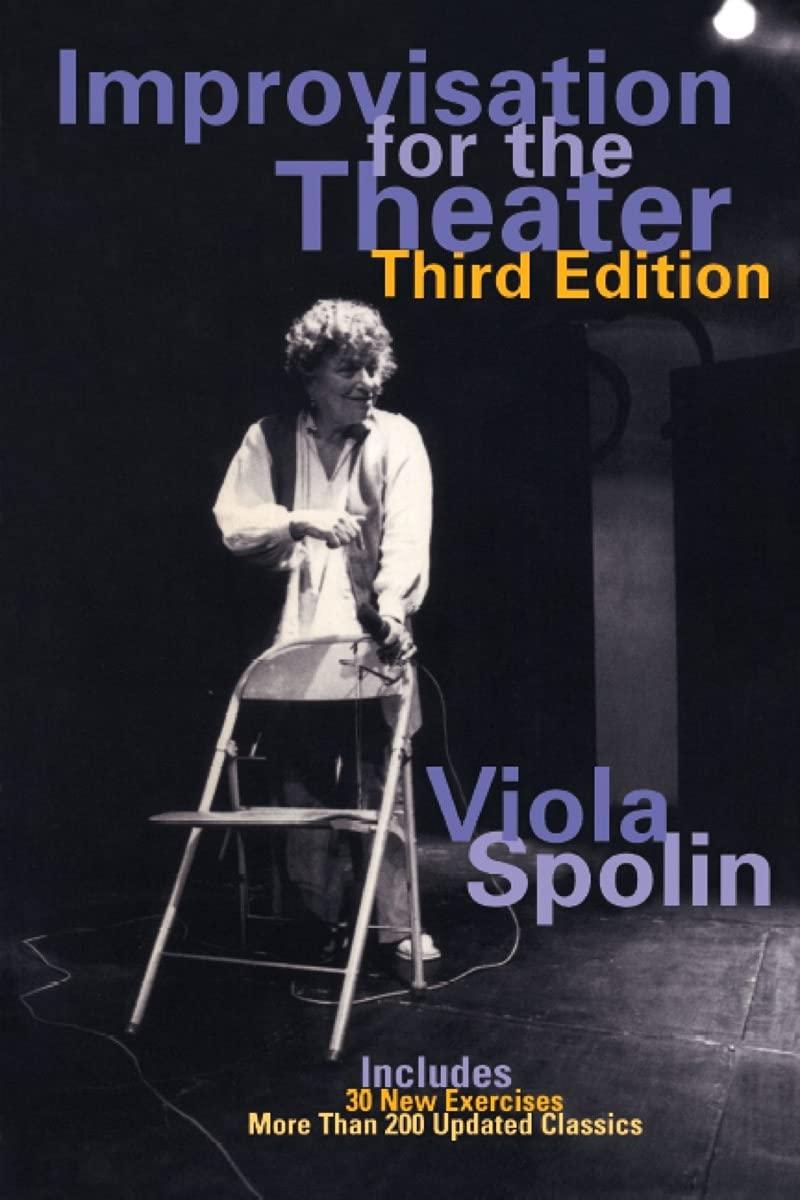
Improvisation for the Theater
A Handbook of Teaching and Directing Techniques
Viola Spolin

The Improv Handbook
The Ultimate Guide to Improvising in Comedy, Theatre, and Beyond
Tom Salinsky; Deborah Frances-White

Impro
Improvisation and the Theatre
Keith Johnstone

Acting Up!
An Innovative Approach to Creative Drama for Older Adults
Marcie Telander; Flora Quinlan; Karol Verson

Improvised Theatre and the Autism Spectrum
A Practical Guide
Gary Kramer; Richie Ploesch
Related Games
Siamese Twins
Siamese Twins is a physical scene game in which two performers stand side by side and operate together as a single character, each using only their outer arm. The constraint requires close physical coordination and continuous nonverbal negotiation about every action, gesture, and movement. The game generates comedy from the inevitable mismatches between the two players' intentions and from the absurdity of watching two bodies attempt to function as one.
Emotional Quadrants
Emotional Quadrants is a scene game in which the stage is divided into four zones, each assigned a different emotion. Performers shift emotional state based on their physical position onstage. The spatial constraint externalizes emotional transitions and creates comedy when characters must cross emotional boundaries to interact. The game trains emotional agility and spatial awareness.
How to Reference This Page
The Improv Archive. (2026). Sideways. Retrieved March 17, 2026, from https://improvarchive.org/games/sideways
The Improv Archive. "Sideways." The Improv Archive, 2026. https://improvarchive.org/games/sideways.
The Improv Archive. "Sideways." The Improv Archive, 2026, https://improvarchive.org/games/sideways. Accessed March 17, 2026.
The Improv Archive is a systemically maintained repository. The archive itself acts as the corporate author.