Improv Auditions
Best practices for holding and structuring auditions for improv teams and shows. From a first-year company auditioning its debut team to a 20-year institution casting a flagship show.
Why Auditions Matter
Auditions are the single most consequential decision an improv organization makes. Cast the right people and ensemble chemistry takes care of itself. Cast the wrong combination and no amount of coaching will fix it.
The audition process also communicates your organization's values. If auditions are chaotic and disrespectful of people's time, that signals what the organization values. If they're structured, fair, and transparent, that builds trust before rehearsals even begin.
Every organization is different. A brand-new company in a small town and a 20-year institution in Chicago face completely different challenges. This guide covers principles that scale across all contexts.
Audition Formats
Open Call
The most common format. Anyone can attend, everyone gets seen. Works well for new organizations building their first team, or established companies looking to discover unknown talent. Requires more time and more auditors.
Best for: communities where the improv scene is still growing.
Invitation Only
Auditors have already seen performers and invite specific people. Common at established theatres with active communities. Risk: echo chambers and favoritism. Mitigate by always including some open slots.
Best for: large organizations with robust performance programs.
Workshop Audition
A multi-hour or multi-day workshop where auditors observe participants over extended play. The most accurate predictor of ensemble compatibility. Time-intensive but reduces casting mistakes.
Best for: any organization that can afford the time investment.
Scaling for Your Organization
Small & New (Rural, First Team)
You may have 8–12 people show up. Your challenge is not selection but recruitment. Run the audition as a welcoming workshop, not a gatekeeping exercise. Consider casting everyone who shows up for your first season and letting natural selection take its course.
Your priority is building community, not filtering talent.
Growing (2–5 Years, Multiple Teams)
You now have returning performers and incoming new players. Separate the audition into sections: warm-ups together, then breakout groups by experience level. Returning performers auditioning for a new team should not be in the same rotation as first-timers.
You have enough institutional knowledge to know what ensemble gaps need filling.
Established (Urban, 5–15 Years)
You have a reputation and a waiting list. Your challenge is equity and avoiding nepotism. Use blind audition elements where possible: numbered audition groups, multiple auditors with independent scoring, clear rubrics. Publish your criteria in advance.
Be transparent about how many spots are available and how decisions are made.
Institution (Major Metro, 15+ Years)
You're The Second City, iO, or a regional equivalent. Your audition system is itself a brand. Formalize callback rounds, consider multi-day auditions, and invest in auditor training. Your casting decisions affect people's careers.
Treat the process with the gravity it deserves. Document everything.
What to Look For
Auditions are not about finding the funniest person. They are about finding people who make others better. The performer who gets the biggest laugh but steamrolls their scene partner is a worse casting choice than the quieter performer who elevates everyone around them.
Do they respond to what is actually happening, or are they executing a pre-planned idea?
Do they make their scene partner look good? Do they build on offers generously?
Can they adjust when a scene shifts direction unexpectedly?
Can they play more than one note? Can they access vulnerability, anger, joy, and stillness?
Do they know when to step forward and when to hold back? Do they read the energy of the group?
How do they respond to side-coaching or adjustments mid-exercise? Do they integrate feedback in real time?
Structuring the Audition Day
A well-structured audition day reduces anxiety for performers and produces better data for auditors. Here is a framework that scales from a two-hour open call to a full-day intensive.
15-20 min
Start with a group warm-up where everyone plays together. Low-stakes, high-energy. This levels the playing field and reduces nerves. Watch for energy and willingness to participate.
20-30 min
Group exercises: Zip Zap Zup, Big Booty, pattern games. Keep groups large (8-10 people). Watch for listening, energy, and how performers relate to the ensemble.
30-40 min
Short-form games in rotating small groups (4-5 people). Switch groups frequently so auditors see different combinations. Watch for quick thinking and support instinct.
30-40 min
Open scenes in pairs or trios. This is where you see relationship building, character work, and emotional range. Give performers a chance to initiate and to support.
3-5 min between rounds
Allow time between rounds for auditor note-taking. Do not rely on memory. Score independently before discussing with other auditors.
10 min
End with a group exercise that brings everyone back together on a positive note. Thank performers for their time and communicate the timeline for decisions.
After the Audition
Making decisions: Use a rubric, not gut feeling. Have each auditor score independently before discussing as a group. When auditors compare notes before scoring, anchoring bias takes over and the loudest voice in the room determines the cast.
Communicating results: Notify everyone, not just those who were cast. A rejection email that thanks someone and encourages them to audition again is an investment in your community. Silence communicates that you do not value the time people gave you.
The first rehearsal: The audition is not over until the first rehearsal goes well. Onboard new cast members deliberately. Introduce them to the ensemble's working style, share the team's history and expectations, and create space for the new dynamic to develop. Casting is the beginning, not the end.
Recommended Reading
Books on directing, ensemble building, and the art of casting improv teams.
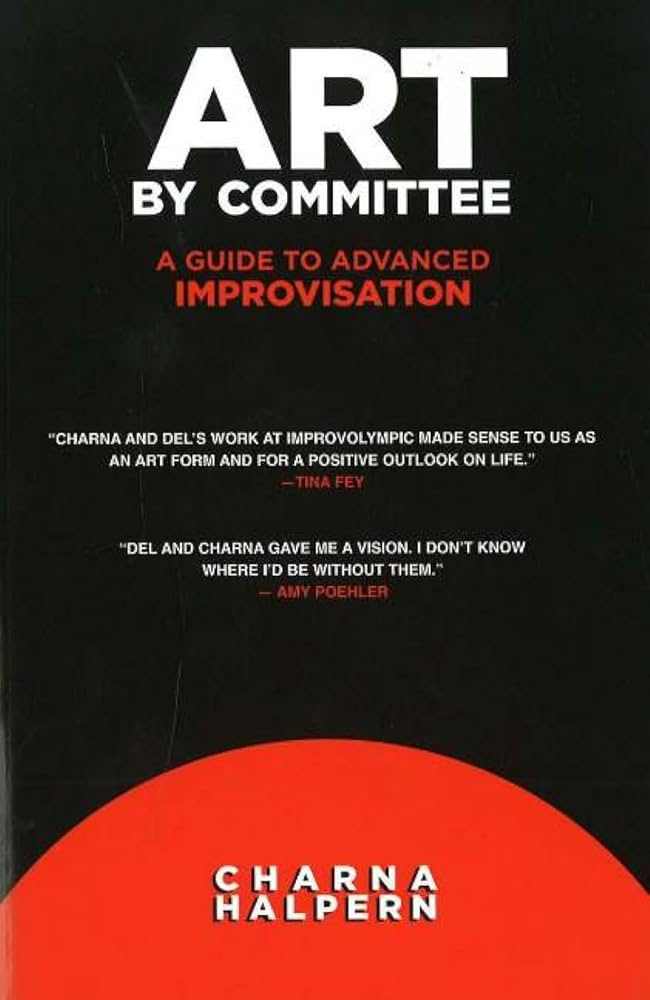
Art by Committee
A Guide to Advanced Improvisation
Charna Halpern (2006)
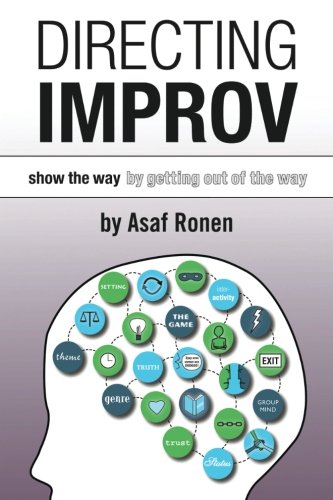
Directing Improv
Asaf Ronen (2005)

Group Improvisation
The Manual of Ensemble Improv Games
Peter Campbell Gwinn; Charna Halpern (2003)
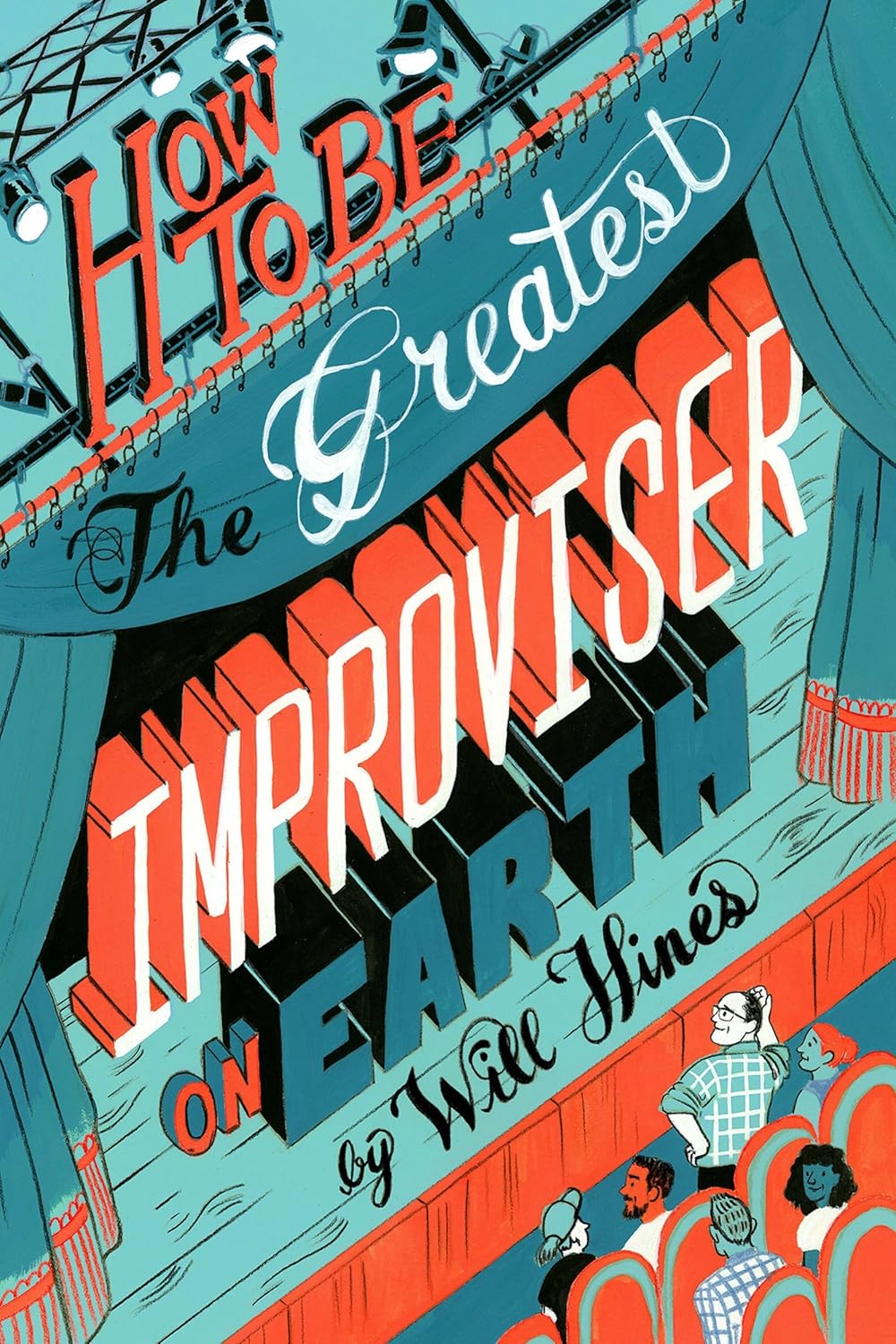
How to Be the Greatest Improviser on Earth
Will Hines (2016)
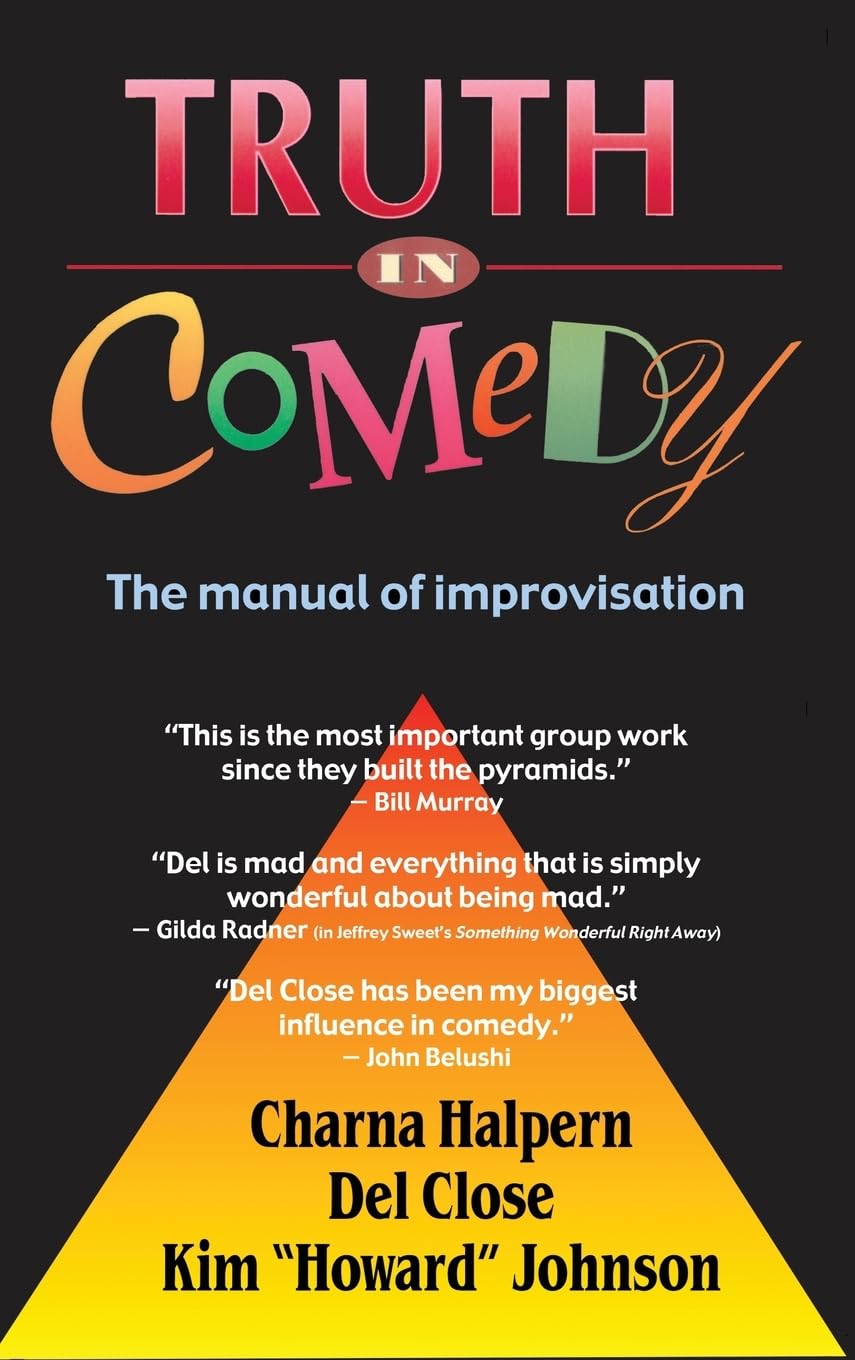
Truth in Comedy
The Manual of Improvisation
Charna Halpern; Del Close; Kim Howard Johnson (1994)
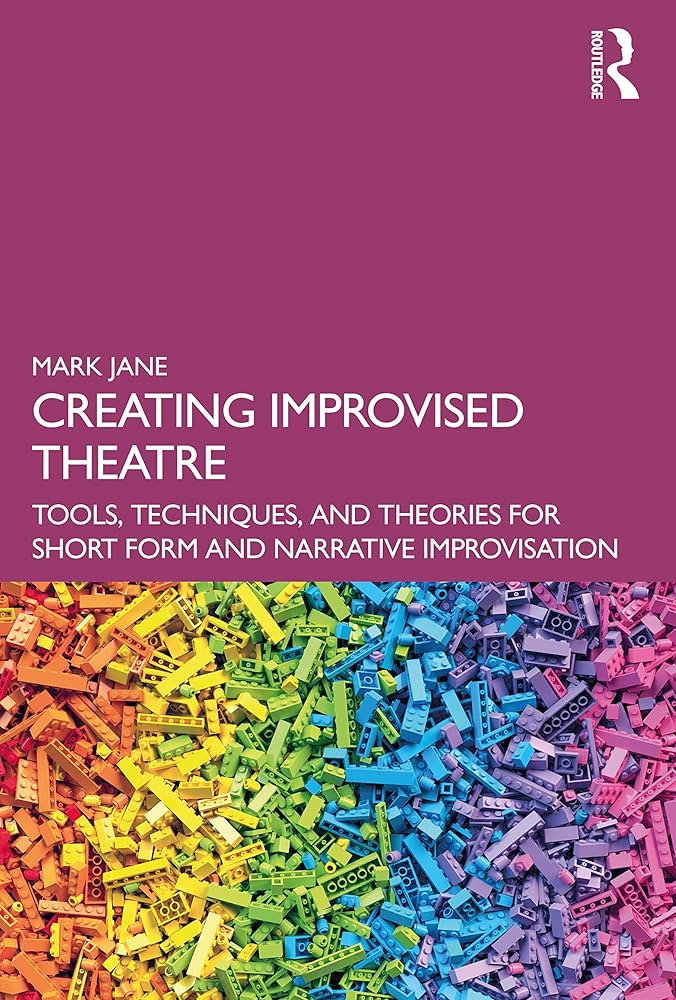
Creating Improvised Theatre
Tools, Techniques, and Theories
Mark Jane (2021)
Continue Exploring
Auditions are one part of building an improv organization. Explore the disciplines that follow.
Teaching
Workshop design, curriculum structure, warm-ups, and creating the conditions where spontaneity becomes possible.
Coaching
Building ensemble chemistry, giving notes that land, and developing a team's unique voice.
Directing
Shaping shows from the wings, side-coaching, and guiding an ensemble through long-form performance.