Activity Starter
Activity Starter is a group exercise in which one player begins a physical activity and other players gradually enter to mirror or extend it. The exercise builds ensemble attunement and physical awareness by requiring players to read and respond to a shared movement rather than a verbal cue.
Structure
Setup
All players spread out in the space. One player begins moving as if performing a specific everyday activity: washing a car, cooking at a stove, digging a garden.
Progression
Other players observe and, when they feel ready, enter the space to join the activity. Each arriving player may mirror the original action, perform a complementary action in the same space, or extend the activity by adding a connected task. No verbal coordination is needed or encouraged.
The facilitator may call "freeze" to hold the group in place and ask players to observe the overall picture before continuing.
Conclusion
The exercise ends when all players are active in the shared space, or when the facilitator calls a stop. The group then discusses what activity emerged and how the picture changed as players added themselves.
How to Teach It
How to Explain It
"One person starts doing something physical: any everyday activity you might do at home or at work. Don't announce it. Just do it. Everyone else watches, and when you feel the moment, come in and do something that fits. No talking needed."
Objectives
This exercise develops physical specificity, ensemble reading, and the ability to commit to a shared given circumstance without verbal negotiation.
Common Notes
"Make your action specific. Not just 'I'm sweeping' but where are you sweeping, how heavy is the broom, is the floor sticky?"
"Don't wait for permission. Join when you feel the pull."
Common Pitfalls
Players often enter too early before they have a clear idea of what activity they are joining, or they stand watching so long that the exercise stalls. Encourage a firm commitment: step in only when you know what you are doing, but do not wait indefinitely.
Worth Reading
See all books →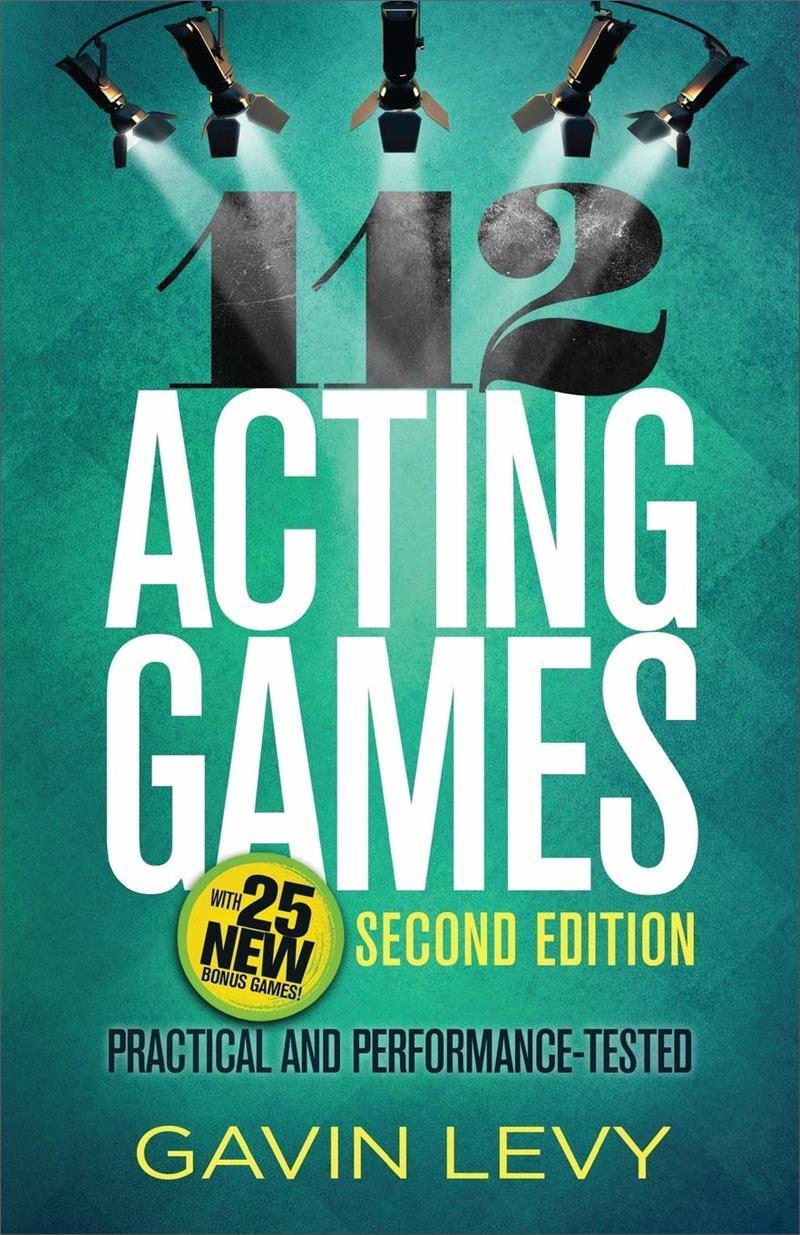
112 Acting Games
Gavin Levy

Business Improv
Experiential Learning Exercises to Train Employees
Val Gee

Group Improvisation
The Manual of Ensemble Improv Games
Peter Campbell Gwinn; Charna Halpern

Action Theater
The Improvisation of Presence
Ruth Zaporah

Improv Ideas
A Book of Games and Lists
Mary Ann Kelley; Justine Jones

Pirate Robot Ninja
An Improv Fable
Billy Merritt; Will Hines
Related Exercises
Shuffle
Shuffle is a physical warm-up exercise in which players mill through the space and must quickly form groups of a called-out number when the facilitator gives the signal. Players who cannot find a complete group in time are eliminated or take a forfeit. The exercise builds physical energy, spatial awareness, and the habit of actively and immediately seeking connection with other players.
Run Around
Run Around is a physical warm-up exercise in which players move through the space and respond to commands called by the facilitator. The exercise builds spatial awareness, group attentiveness, and physical readiness by requiring participants to shift direction, speed, or movement quality on cue.
Synchronised Dance
Synchronised Dance is an exercise in which players attempt to move and dance together without choreography or a designated leader, following the group's collective impulse. The exercise trains physical listening, nonverbal communication, and the ability to contribute to a shared movement without dominating. It produces a visible demonstration of ensemble connection when it clicks.
The Machine
The Machine is a group exercise in which players build a collective apparatus by adding interlocking physical movements and sounds one at a time. Each new contributor must connect their action to the existing mechanism. The exercise develops ensemble coordination, physical commitment, and the ability to contribute to a shared creation.
Millipede
Millipede is a physical ensemble exercise in which a line of players moves together as a single connected organism, typically with hands on the shoulders or waist of the person ahead. The group must coordinate speed, direction, and stops without verbal communication. The exercise builds physical trust and nonverbal group sensitivity.
Bobsledding Bodies
Bobsledding Bodies is a physical warm-up exercise in which players form a tight line and navigate the space together, shifting direction and speed as a unit. The exercise builds group awareness, physical coordination, and the ability to respond as an ensemble to subtle changes in momentum.
How to Reference This Page
The Improv Archive. (2026). Activity Starter. Retrieved March 17, 2026, from https://improvarchive.org/exercises/activity-starter
The Improv Archive. "Activity Starter." The Improv Archive, 2026. https://improvarchive.org/exercises/activity-starter.
The Improv Archive. "Activity Starter." The Improv Archive, 2026, https://improvarchive.org/exercises/activity-starter. Accessed March 17, 2026.
The Improv Archive is a systemically maintained repository. The archive itself acts as the corporate author.