Blind Stalker
Blind Stalker is an awareness exercise in which one blindfolded player moves through the space while others attempt to approach without being detected. The blindfolded player points toward any sound they hear, and detected players are eliminated. The exercise sharpens auditory awareness and develops the ability to move with control and intentionality.
Structure
Setup
Clear the performance space. One player is blindfolded and stands in the center - this is the Stalker (or Guardian). All other players form a large ring around the edges of the space.
Play
Non-blindfolded players (Stalkers from the outside, or "Hunters" in some versions) attempt to move silently from the ring toward the center player. The blindfolded player listens carefully. When they hear a sound, they point in the direction it came from. Any moving player who is pointed at - even approximately correctly - is eliminated and must sit down.
The goal for moving players: reach the center and gently touch the blindfolded player without being detected. The goal for the blindfolded player: detect all movement before anyone reaches them.
Safety
Ensure all obstacles are removed. The blindfolded player should turn in place rather than walking. If the space is very large, define a boundary.
Variation: Multiple Blindfolded Players
Two players are blindfolded in the center. They may confer quietly. This tests collaborative awareness.
Variation: Team Score
Track how many "hunters" were eliminated versus how many reached the center. Play multiple rounds, comparing scores.
Duration
3-5 minutes per round with debrief between rounds.
How to Teach It
How to Explain It
"One player is blindfolded in the center. Everyone else: try to reach them without making a sound. If they point in your direction, you're out. Goal: touch them without being caught. Blindfolded player: listen. Point at any sound you hear."
Why It Matters
Blind Stalker develops auditory attention with extraordinary intensity. The blindfolded player enters a state of concentrated listening that is rarely experienced in daily life. The exercise trains the ability to locate and track information by sound alone - useful for performers who over-rely on visual blocking or who miss auditory offers in a scene. For the moving players, the exercise develops bodily intentionality: how much noise do my feet make? My clothes? My breath? This physical awareness translates to stage presence and control.
Common Coaching Notes
- Enforce silence rigorously. The exercise collapses if observers or waiting players make noise. Establish a clear "no noise from eliminated players" rule before starting.
- The blindfolded player should be patient. New players often point constantly and randomly, eliminating everyone quickly. Coach: "Point only when you hear something specific."
- Celebrate near-misses. A player who gets within three feet without being caught, then is detected, has accomplished something - acknowledge it.
- Debrief listening quality. After the round, ask the blindfolded player: "What did you hear? What sounds were you tracking?" This makes the listening process explicit.
Debrief Questions
- What sounds gave players away?
- How did your awareness change after being in the center?
- Where in scene work do we ignore sensory information we could be using?
Worth Reading
See all books →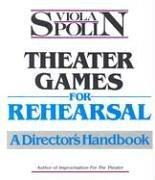
Theater Games for Rehearsal
Viola Spolin

Group Improvisation
The Manual of Ensemble Improv Games
Peter Campbell Gwinn; Charna Halpern
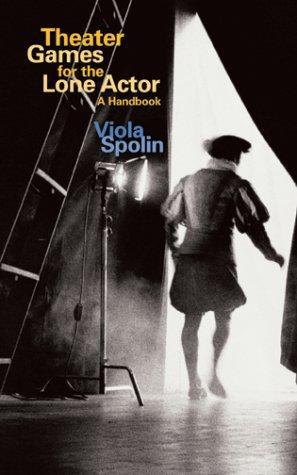
Theater Games for the Lone Actor
Viola Spolin
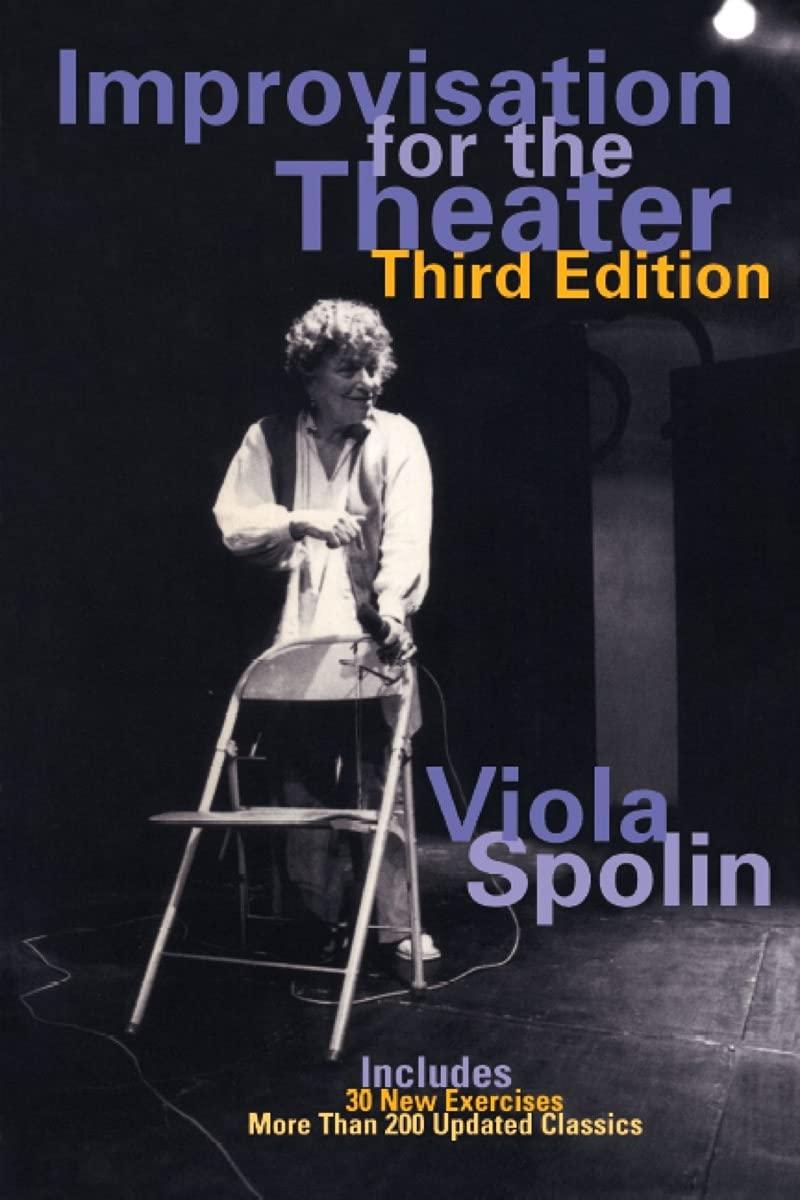
Improvisation for the Theater
A Handbook of Teaching and Directing Techniques
Viola Spolin

Business Improv
Experiential Learning Exercises to Train Employees
Val Gee

Action Theater
The Improvisation of Presence
Ruth Zaporah
Related Exercises
Blind Hunt
Blind Hunt is a spatial awareness exercise in which blindfolded players navigate the room to locate a specific target, guided only by sound or verbal cues from the group. The exercise builds trust, listening skills, and comfort with physical vulnerability. It requires careful facilitation to maintain safety.
Blind Line Up
Blind Line Up is a nonverbal communication exercise in which blindfolded players must arrange themselves in a specific order, such as by birthday or height, without speaking. The exercise demands creative problem-solving and alternative communication methods. It builds patience, cooperation, and trust.
Blindfolded Scene
Blindfolded Scene is a scene game in which performers play a scene while blindfolded, unable to see their partners, the audience, or the space. The restriction heightens all other senses and forces players to listen, communicate position verbally, and trust their partners completely. The game reveals how much performers normally rely on visual cues.
Assassins
Assassins is a group awareness exercise in which each player secretly watches one specific person in the space. When the facilitator gives a signal, every player simultaneously points to the person they have been watching. The exercise reveals the web of attention in the room and is used to discuss group dynamics, observation, and the experience of being seen.
Mine Field
Mine Field is a trust exercise in which one player is blindfolded and must navigate through a space scattered with obstacles, guided only by a partner's verbal instructions. The exercise demands precise communication from the guide and deep trust from the blindfolded player. It is widely used in improv and team-building contexts to develop listening and mutual reliance.
Blind Association Circle
Blind Association Circle is a variation on word association played with eyes closed. The removal of visual cues forces players to rely entirely on auditory focus and eliminates the temptation to pre-plan based on watching others. The exercise deepens listening skills and trains purely verbal spontaneity.
How to Reference This Page
The Improv Archive. (2026). Blind Stalker. Retrieved March 17, 2026, from https://improvarchive.org/exercises/blind-stalker
The Improv Archive. "Blind Stalker." The Improv Archive, 2026. https://improvarchive.org/exercises/blind-stalker.
The Improv Archive. "Blind Stalker." The Improv Archive, 2026, https://improvarchive.org/exercises/blind-stalker. Accessed March 17, 2026.
The Improv Archive is a systemically maintained repository. The archive itself acts as the corporate author.