Bunny
Bunny is a high-energy circle exercise in which players pass a rhythmic pattern around the group through a combination of chanted sounds and synchronized gestures. The player designated as the bunny performs a central action, typically holding both hands beside the head like ears while chanting "bunny bunny," while the two players on either side perform complementary supporting gestures. The bunny then passes to another player across the circle, and the pattern repeats with increasing speed. The exercise builds group rhythm, peripheral awareness, and comfort with looking foolish. It is widely used as a warm-up in both theatrical and corporate training contexts, valued for its ability to lower inhibitions, demand focus, and generate collective energy through structured silliness.
Structure
Players form a standing circle. The facilitator demonstrates the three roles: the bunny (center position), the left supporter, and the right supporter.
The bunny places both hands beside the head, fingers pointing upward like rabbit ears, and chants "bunny bunny" repeatedly while looking at another player across the circle. The two players flanking the bunny each turn toward the bunny and perform a complementary gesture, such as making a single ear with the near hand, while chanting in rhythm.
The bunny passes by directing the chant and eye contact toward a specific player across the circle. That player immediately becomes the new bunny and begins the gesture and chant. The two players flanking the new bunny instantly adopt the supporter role.
The pace starts slowly to allow players to learn the mechanics. Once the group demonstrates competence, the facilitator calls for increased speed. The exercise continues until errors become frequent, at which point the group typically resets and begins again.
Some variations add elimination: players who hesitate, perform the wrong gesture, or fail to recognize their supporter role step out of the circle. Other variations layer additional patterns on top of the bunny pass, increasing the complexity of simultaneous tracking required.
How to Teach It
How to Explain It
"Stand in a circle. The bunny is created like this: the center person makes ears, and the people on either side make the body shape. When you are the bunny, pass it to someone across the circle. We start slow and speed up."
Introduce the exercise by demonstrating each role slowly and in isolation. Show the bunny gesture, then show the supporter gesture, then demonstrate a pass. Only after all three elements are clear should the group attempt a full round.
The most common error is supporters failing to recognize when the bunny has moved to their neighbor. Emphasize peripheral awareness: every player must track the bunny's position at all times, not just when directly involved. This makes the exercise a genuine focus drill rather than a waiting game.
Speed is the engine of this exercise. At slow speeds, the mechanics are trivial. The exercise becomes valuable only when the pace creates genuine pressure and errors become inevitable. Resist the temptation to keep the speed comfortable.
In corporate training contexts, the exercise functions as an equalizer. As described in The Improvisation Edge by Karen Hough, the exercise forces participants to look equally silly regardless of rank or title, breaking down hierarchical barriers. The goal is not perfection but full commitment.
A common pitfall is allowing the bunny to stall by repeatedly passing to the same few players. Encourage players to pass across the full circle, including to people they have not yet engaged.
Worth Reading
See all books →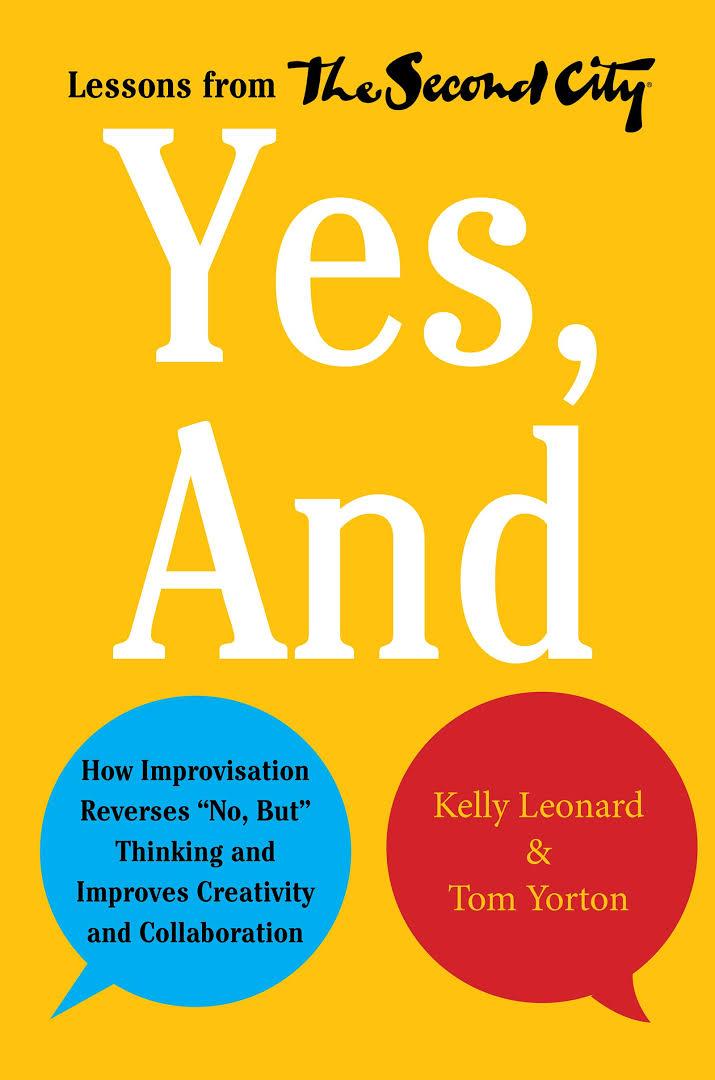
Yes, And
How Improvisation Reverses No, But Thinking and Improves Creativity and Collaboration
Kelly Leonard; Tom Yorton
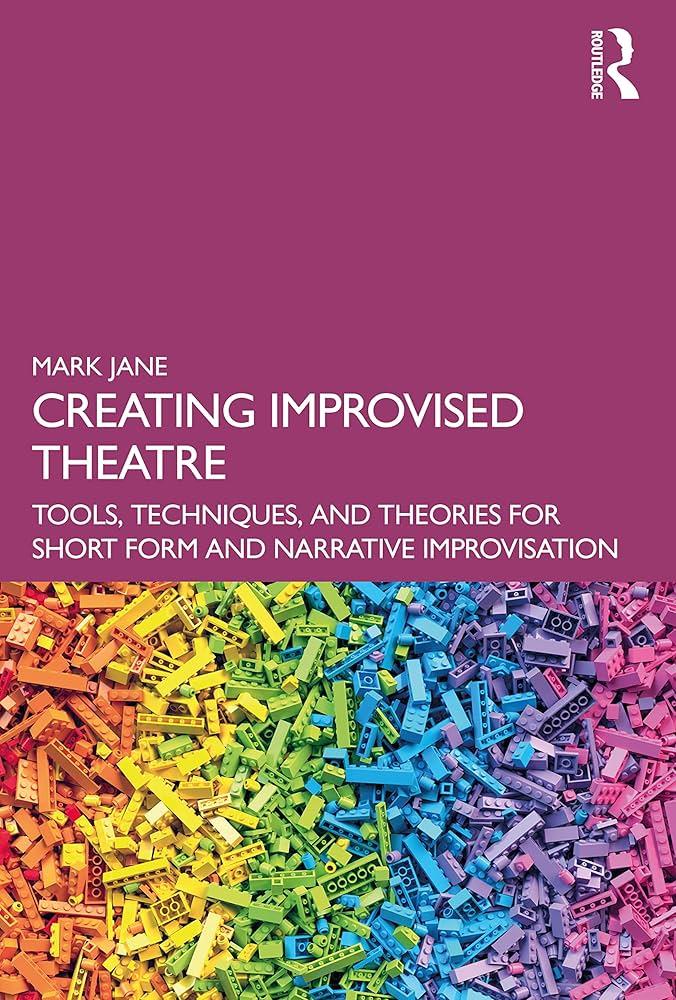
Creating Improvised Theatre
Tools, Techniques, and Theories
Mark Jane

The Improv Handbook
The Ultimate Guide to Improvising in Comedy, Theatre, and Beyond
Tom Salinsky; Deborah Frances-White

Something Wonderful Right Away
An Oral History of The Second City and The Compass Players
Jeffrey Sweet

Improvised Theatre and the Autism Spectrum
A Practical Guide
Gary Kramer; Richie Ploesch

Long Form Improvisation and American Comedy
The Harold
Matt Fotis
Related Exercises
Killer Bunny
Killer Bunny is a physical attention and tag exercise in which one or more participants secretly designated as the killer bunny attempt to eliminate other players through a covert signal -- typically a wink, a pointed finger, or a specific gesture -- while the group moves through the space and attempts to identify and call out the killer before being eliminated themselves. The exercise trains sustained peripheral awareness, active observation, and the management of divided attention.
Elephant
Elephant is a high-energy circle exercise in which a center player points to someone in the circle and calls out an animal name. The targeted player and their two immediate neighbors must quickly form a three-person physical representation of that animal before the center player finishes a count. Different animals require different configurations: the center player forms the trunk for an elephant while the neighbors create the ears, or the center player mimes holding a fishing rod while the neighbors become the fish. Incorrect or slow responses send a player to the center. The exercise builds reaction speed, peripheral awareness, physical commitment, and comfort with looking foolish.
Whoosh
Whoosh is an energetic circle exercise in which players pass a sound-and-gesture impulse around the group with the option to reverse, deflect, or redirect using different sounds and movements. The exercise is typically played as a layered game in which new moves are introduced one at a time, building complexity and requiring players to hold multiple rules simultaneously. The exercise builds group energy, quick decision-making, and the habit of sending and receiving clear physical signals.
The Wave
The Wave is a group exercise in which players send a wave of movement or energy around a circle, each person picking up and passing on the previous player's motion. The exercise trains group rhythm, physical sensitivity, and the instinct to receive and transmit energy without breaking the chain. It is accessible to players of all ages and experience levels.
Animal Circle
Animal Circle is a rhythm exercise in which each player in a circle is assigned an animal with a corresponding sound and gesture. Players pass focus by performing their own animal signal followed by another player's. Errors result in elimination or position changes, keeping the group alert and engaged.
Tossing
Tossing is a circle warm-up exercise in which players pass real or imaginary objects around the group with clear physical intention. Each exchange requires specific attention to the give and the receive: the sender must establish the object's weight, size, and nature before releasing it; the receiver must honor those physical qualities in the catch and carry. The exercise trains physical specificity, eye contact, ensemble attention, and the fundamental habit of truly giving something to a partner.
How to Reference This Page
The Improv Archive. (2026). Bunny. Retrieved March 17, 2026, from https://improvarchive.org/exercises/bunny
The Improv Archive. "Bunny." The Improv Archive, 2026. https://improvarchive.org/exercises/bunny.
The Improv Archive. "Bunny." The Improv Archive, 2026, https://improvarchive.org/exercises/bunny. Accessed March 17, 2026.
The Improv Archive is a systemically maintained repository. The archive itself acts as the corporate author.