Elephant
Elephant is a high-energy circle exercise in which a center player points to someone in the circle and calls out an animal name. The targeted player and their two immediate neighbors must quickly form a three-person physical representation of that animal before the center player finishes a count. Different animals require different configurations: the center player forms the trunk for an elephant while the neighbors create the ears, or the center player mimes holding a fishing rod while the neighbors become the fish. Incorrect or slow responses send a player to the center. The exercise builds reaction speed, peripheral awareness, physical commitment, and comfort with looking foolish.
Structure
Players form a standing circle with one player in the center. The facilitator teaches the group a set of animal poses, each requiring a specific three-person configuration. Common poses include:
Elephant: the center player extends both arms forward as a trunk, while the two neighbors cup their nearest hands against the center player's head to form ears. Cow: the center player interlocks fingers and points downward to form udders, while the neighbors mime milking motions. Toaster: the center player jumps up and down while the neighbors face each other with arms extended to form the toaster walls.
The center player points to any player in the circle and calls an animal name. The targeted player and their two neighbors must immediately form the correct pose. Any player who hesitates, performs the wrong role, or fails to recognize their position as a neighbor takes the center.
The pace increases as the group learns the poses. The center player can point and call rapidly, creating a chain of reactions around the circle. Advanced variations add new animals during play, increasing the mental load.
The exercise continues until the facilitator ends it or until the energy naturally peaks.
How to Teach It
How to Explain It
"Choose an animal. You are that animal. When you encounter another animal, you play rock-paper-scissors to determine which animal dominates. Form a status hierarchy. Begin."
Teach no more than three animal poses to start. The exercise becomes chaotic if the group must remember too many configurations before building physical confidence. Add new poses one at a time as the group demonstrates mastery.
The exercise's primary value is not the poses themselves but the peripheral awareness required to recognize when a neighbor has been pointed to. Many players focus only on the center player and fail to notice when the person next to them has been called. Emphasize lateral awareness: every player must track not only the center but also their immediate neighbors.
Speed is essential. At a slow pace, the exercise becomes trivial and the energy drops. The center player should point and call rapidly, keeping the entire circle on alert. Coach the center player to be unpredictable: pointing to the same person twice in a row, alternating sides of the circle, or pointing to neighbors of the person who just took the center.
A common pitfall is players becoming self-conscious about the physical poses. Frame the exercise as deliberately silly: the goal is full physical commitment regardless of how ridiculous the pose looks. The exercise levels the playing field by requiring everyone to look equally foolish.
For advanced groups, allow players to invent new animals and teach their poses to the group in real time, adding the creative challenge of designing three-person configurations on the fly.
Worth Reading
See all books →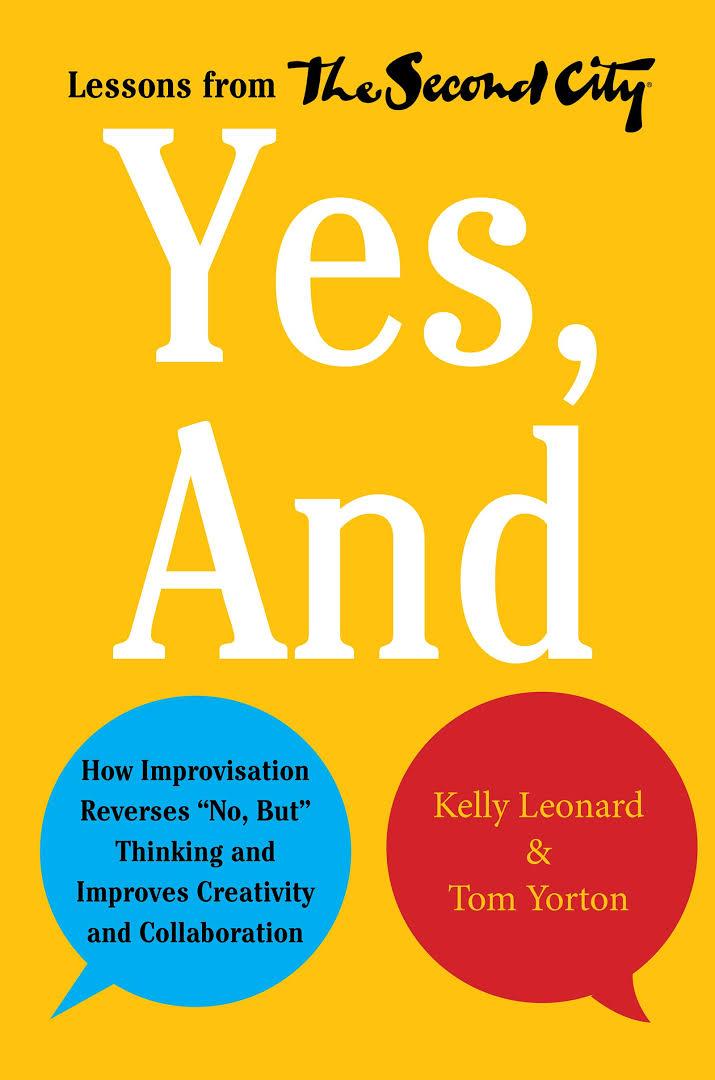
Yes, And
How Improvisation Reverses No, But Thinking and Improves Creativity and Collaboration
Kelly Leonard; Tom Yorton
The Actor's Book of Improvisation
Sandra Caruso; Paul Clemens

Devising Performance
A Critical History
Deirdre Heddon; Jane Milling
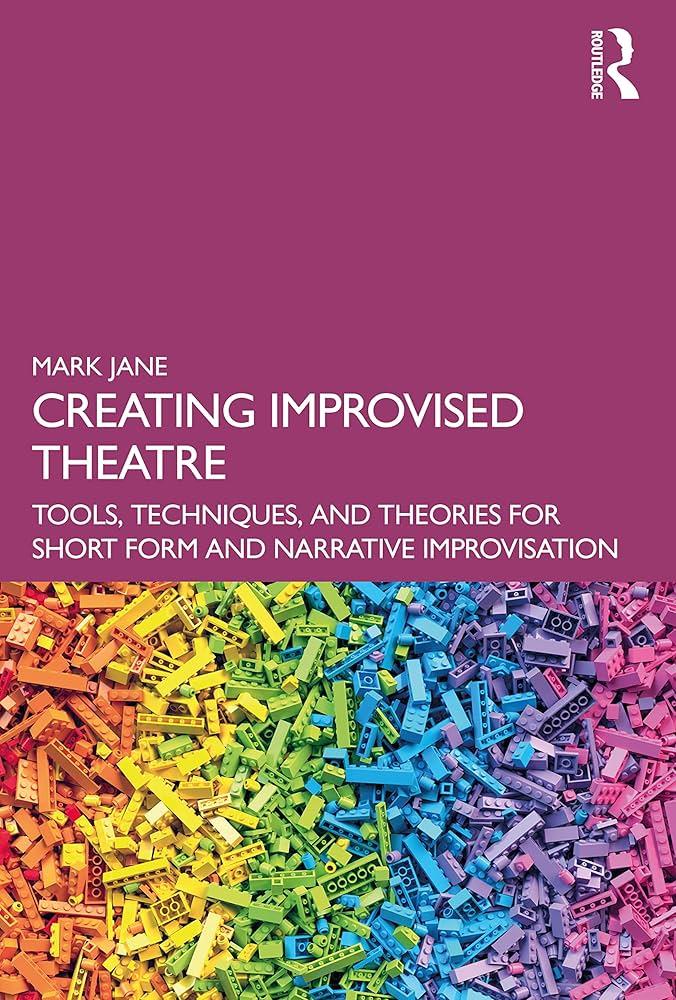
Creating Improvised Theatre
Tools, Techniques, and Theories
Mark Jane

The Routledge Companion to Improvisation in Organizations
Miguel Pina e Cunha; Dusya Vera; António Cunha Meneses
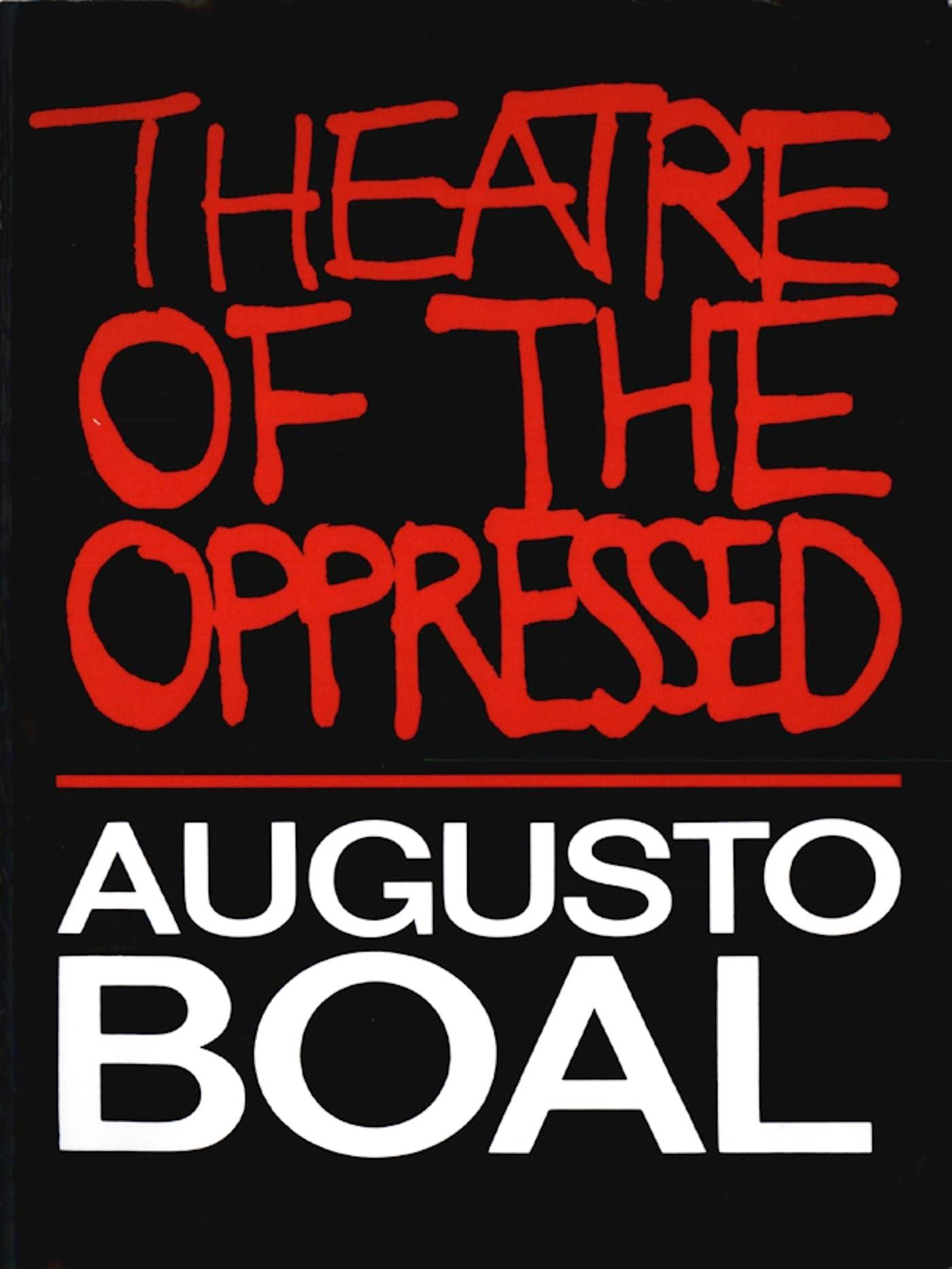
Theatre of the Oppressed
Augusto Boal
Related Exercises
Animal Circle
Animal Circle is a rhythm exercise in which each player in a circle is assigned an animal with a corresponding sound and gesture. Players pass focus by performing their own animal signal followed by another player's. Errors result in elimination or position changes, keeping the group alert and engaged.
Bappety Boo
Bappety Boo is a focus and elimination exercise in which the person in the center of a circle points to someone and counts to a set number. The pointed-to player and their neighbors must complete an assigned physical task before the count finishes. Players who fail are eliminated or take the center. The game sharpens reaction time and group attention.
Animal Farm
Animal Farm is a physicality exercise in which each player adopts the movement, sounds, and behavioral patterns of a specific animal. Players explore the full range of an animal's physicality, then interact with other animals in the space, building character embodiment and ensemble responsiveness.
Animals
Animals is a physical transformation exercise in which players move through the space embodying different animals called out by a facilitator or chosen by the participants. Each new animal demands a complete shift in physicality, tempo, weight, rhythm, and energy. Players explore how different creatures occupy space, move, breathe, and interact, using the animal as a gateway to expanded physical vocabulary and heightened commitment to transformation. The exercise appears across multiple performance traditions, from Augusto Boal's Games for Actors and Non-Actors to Seraphin Eldredge's mask improvisation work, and is a foundational component of both actor training and improv pedagogy. Animals develops range of physical expression, spatial awareness, and the ability to commit fully to a physical choice without self-consciousness.
Alien Tiger Cow
Alien Tiger Cow is a full-body version of rock-paper-scissors played in a circle. On a count, each player strikes one of three poses: alien (fingers on head), tiger (claws bared), or cow (udders mimed). Players who choose the minority pose are eliminated. The exercise is a fast physical warm-up that generates laughter and group energy.
Bunny
Bunny is a high-energy circle exercise in which players pass a rhythmic pattern around the group through a combination of chanted sounds and synchronized gestures. The player designated as the bunny performs a central action, typically holding both hands beside the head like ears while chanting "bunny bunny," while the two players on either side perform complementary supporting gestures. The bunny then passes to another player across the circle, and the pattern repeats with increasing speed. The exercise builds group rhythm, peripheral awareness, and comfort with looking foolish. It is widely used as a warm-up in both theatrical and corporate training contexts, valued for its ability to lower inhibitions, demand focus, and generate collective energy through structured silliness.
How to Reference This Page
The Improv Archive. (2026). Elephant. Retrieved March 17, 2026, from https://improvarchive.org/exercises/elephant
The Improv Archive. "Elephant." The Improv Archive, 2026. https://improvarchive.org/exercises/elephant.
The Improv Archive. "Elephant." The Improv Archive, 2026, https://improvarchive.org/exercises/elephant. Accessed March 17, 2026.
The Improv Archive is a systemically maintained repository. The archive itself acts as the corporate author.