Excluding
Excluding is a scene exercise in which one performer is deliberately left out of a group's activity or conversation, forcing that performer to find a way into the scene. The exercise builds awareness of inclusion and exclusion dynamics onstage and trains performers to assert themselves without bulldozing their scene partners. For the excluding group, it develops sensitivity to when sidelining behavior is blocking a scene's progress. For the excluded performer, it trains the instinct to make strong, specific offers that justify entry into the action. The exercise reveals how quickly exclusion flattens a scene and how powerful a well-timed inclusion choice can be.
Structure
Three or more performers begin a scene together. Before the scene starts, the facilitator privately designates one performer as the outsider. The remaining performers know who the outsider is.
The scene begins with the group engaged in an activity or conversation that naturally excludes the designated performer. The excluding performers do not acknowledge, respond to, or include the outsider. They maintain their focus on each other and their shared activity.
The excluded performer works to find a way into the scene. The performer makes offers, attempts to join the conversation, and looks for openings. The excluding group continues to shut the outsider out until the outsider makes an offer strong enough or specific enough that ignoring it becomes impossible.
When the outsider breaks through, the scene shifts. The group adjusts to include the new participant, and the scene continues with all performers engaged.
Variations include rotating the outsider role mid-scene, having the group exclude without knowing they are doing it (no prior designation, just a natural dynamic the facilitator identifies and coaches), and adding a second outsider who must also find separate ways in.
How to Teach It
How to Explain It
"One group has formed a club. The club has rules. The rules are unspoken. The rest of you are trying to get in. You do not know the rules. The group does not explain the rules. Find your way in, or find that you cannot."
The exercise works best when the excluding group commits fully to the exclusion without being cruel about it. The goal is not to humiliate the outsider but to create genuine dramatic pressure. Coach the excluding group to stay engaged with each other rather than actively mocking or dismissing the outsider. Passive exclusion creates more interesting scene dynamics than active rejection.
The excluded performer's instinct is often to escalate volume or physicality. Coach against this. The most effective entries come from specificity, not force. An outsider who quietly picks up an object in the scene and begins using it in a way that connects to the group's activity creates a stronger offer than one who shouts over the conversation.
Debrief by asking the group what offers the outsider made and which ones were hardest to ignore. This builds the ensemble's awareness of what constitutes a strong offer. The exercise connects directly to scene work principles: every performer onstage deserves stage time, and a scene that excludes a player wastes a resource.
The exercise also develops empathy. Performers who experience exclusion onstage become more attentive to including their scene partners in future work.
Worth Reading
See all books →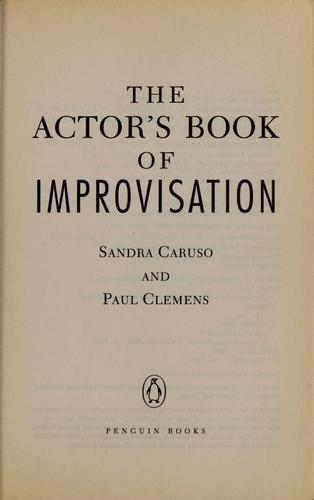
The Actor's Book of Improvisation
Sandra Caruso; Paul Clemens
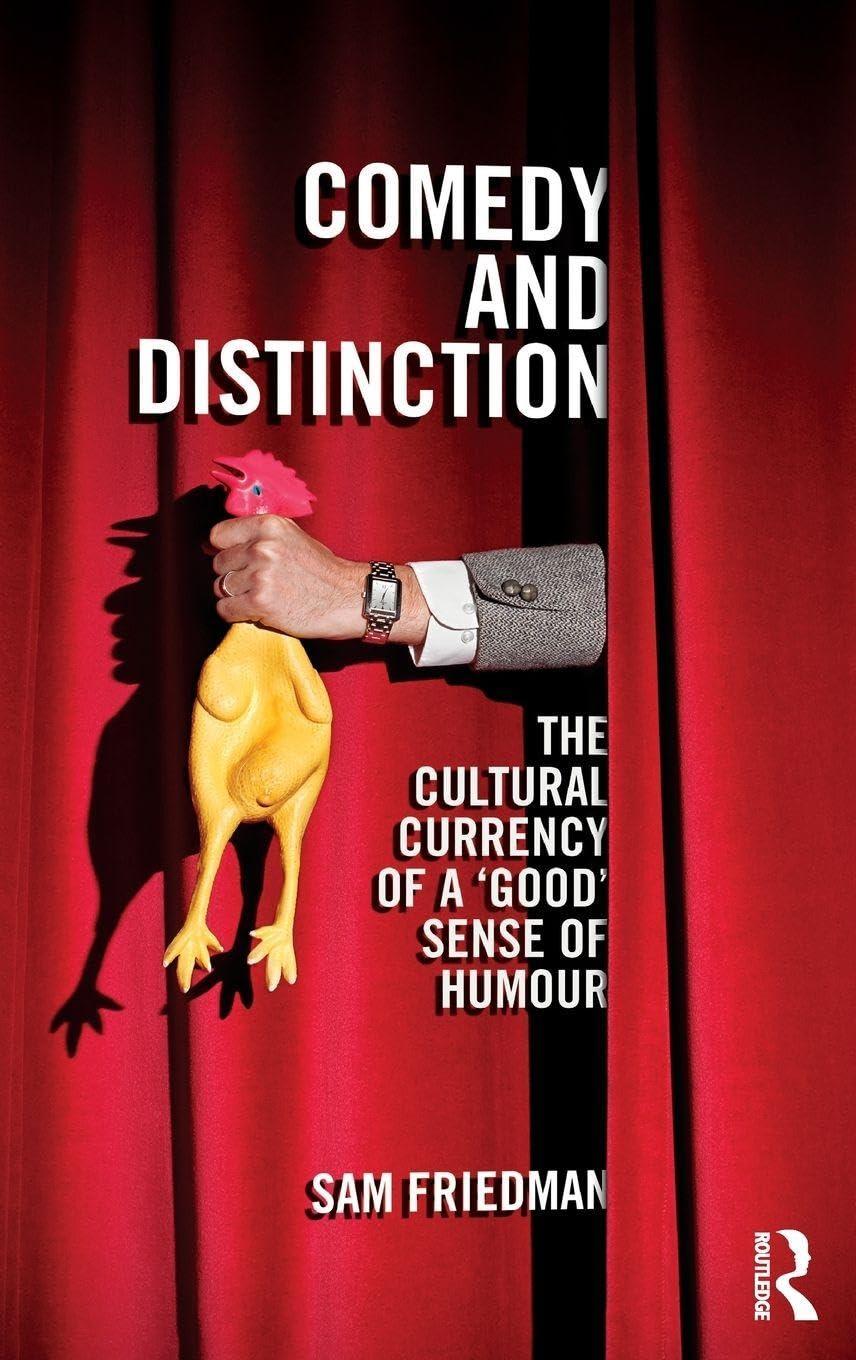
Comedy and Distinction
The Cultural Currency of a 'Good' Sense of Humour
Sam Friedman

Legislative Theatre
Using Performance to Make Politics
Augusto Boal

Devising Performance
A Critical History
Deirdre Heddon; Jane Milling

The Routledge Companion to Improvisation in Organizations
Miguel Pina e Cunha; Dusya Vera; António Cunha Meneses
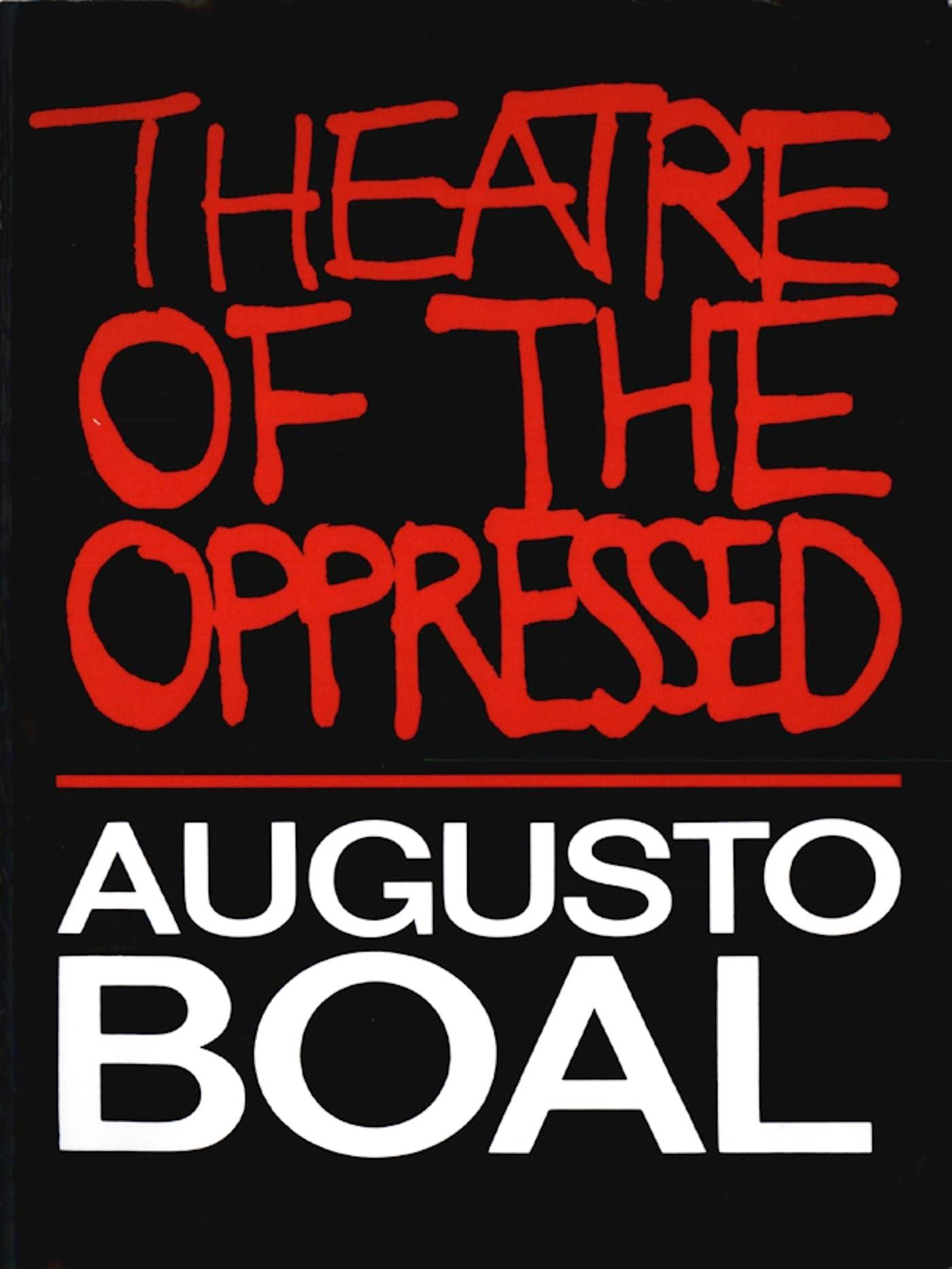
Theatre of the Oppressed
Augusto Boal
Related Exercises
Three Rules
Three Rules is a scene exercise in which the facilitator establishes three specific constraints that performers must maintain throughout their scene. The constraints can be physical (always touching the wall, never letting your hands go below your waist), verbal (never using the letter S, only asking questions), or behavioral (treat your partner as royalty, move as if underwater). The exercise demonstrates that limitations generate rather than restrict creative choices, and trains performers to divide attention between scene work and rule compliance.
Create Obstacles
Create Obstacles is a scene exercise in which performers deliberately introduce complications and barriers to their characters' goals. The exercise teaches that obstacles are the engine of dramatic interest: characters who get what they want without resistance produce flat, unengaging scenes. By practicing the creation of obstacles, performers develop the instinct to generate tension and problem-solving pressure from within the scene rather than waiting for obstacles to arrive from outside.
Move On
Move On is a scene exercise in which a facilitator calls out the directive to prompt performers to abandon their current scene beat and transition immediately to a new choice. The call forces performers to leave comfortable territory and advance the scene rather than circling the same material. The exercise builds editorial instincts about when a moment has been fully explored and trains the habit of moving forward rather than sideways. It develops the internal sense of pacing that distinguishes dynamic scene work from repetitive scene work.
Lcd
LCD (Lowest Common Denominator) is a scene exercise in which performers practice finding the simplest, most universal emotional truth in a scene rather than reaching for clever or complicated choices. The exercise trains the instinct to ground scenes in recognizable human experience. It rewards simplicity over sophistication.
In-Out
In-Out is a scene exercise in which performers practice entering and leaving scenes with purpose and clarity. Each entrance must contribute something specific and each exit must feel earned. The exercise trains awareness of when a scene needs a new element and when a character has served their function.
Surprise Movement
Surprise Movement is an exercise in which performers interrupt their own scenes or monologues with sudden, unexpected physical choices and must justify them within the scene. The exercise breaks habitual movement patterns and teaches players that physical surprises can open new scene directions.
How to Reference This Page
The Improv Archive. (2026). Excluding. Retrieved March 17, 2026, from https://improvarchive.org/exercises/excluding
The Improv Archive. "Excluding." The Improv Archive, 2026. https://improvarchive.org/exercises/excluding.
The Improv Archive. "Excluding." The Improv Archive, 2026, https://improvarchive.org/exercises/excluding. Accessed March 17, 2026.
The Improv Archive is a systemically maintained repository. The archive itself acts as the corporate author.