Give and Take
Give and Take is a foundational scene technique and exercise in which performers practice transferring and sharing focus within a scene. Only one action, conversation, or event holds the audience's attention at a time, and performers must silently negotiate who has focus and who yields it. The exercise trains the essential ensemble skill of knowing when to step forward and when to step back, making it one of the most important exercises for developing group awareness. Give and Take is used in both theatrical improv and applied improvisation settings, where it teaches collaborative turn-taking and active listening.
Structure
Three or more performers stand in the playing space. The facilitator establishes a shared environment (a park, an office, a bus stop) that gives each performer a reason to be present but not necessarily to interact.
One performer begins an activity or action. This performer has focus. The remaining performers hold still or continue only minimal background activity. Only one center of action exists at any time.
When a second performer wants focus, they begin a clear physical action or vocal offer. The performer who currently holds focus recognizes the shift and freezes or reduces their activity, giving focus to the new active player. The transfer is silent and consensual: no one announces the shift.
The exercise continues with focus passing between performers. Advanced versions add complexity: two performers share focus through a conversation while a third holds still, then focus shifts to the third performer's solo action while the pair freezes. The group learns to manage multiple potential focus points and to negotiate transitions smoothly.
Variations include musical give and take (focus passes through who is making sound), physical give and take (focus is determined entirely by movement), and scene-based give and take (a full scene is played with strict focus discipline, allowing only one thread of action at a time).
How to Teach It
How to Explain It
"This exercise is about shared focus. At any moment, only one person or group has the audience's attention. When you take focus, you are active and alive. When you give focus, you step back and support what is happening. The goal is to feel when focus needs to shift and to respond to it without being told. No negotiation, no politeness. Just instinct. Let's start."
Give and Take teaches one of the most important ensemble skills: awareness of where the audience's attention belongs at any given moment. Performers who master this skill create clean, watchable scenes. Performers who lack it create scenes where multiple competing actions confuse the audience.
The most common failure is focus bleeding. Two performers both hold partial focus, creating a muddled stage picture. Coach for clarity: either a performer has focus or does not. There is no middle ground. A performer yielding focus should make the yield visible through stillness or reduced activity.
Another frequent issue is performers taking focus without earning it. A strong take requires a clear, specific action that justifies the audience shifting attention. A performer who simply starts talking without physical or vocal commitment forces an awkward transition. Coach for strong takes: big enough to command attention, specific enough to justify the shift.
The exercise also reveals performers who never take focus. Some performers default to supporting roles and yield every opportunity to hold the stage. Coach these performers to practice taking by assigning them mandatory takes at specific intervals.
In applied settings, Give and Take demonstrates the dynamics of attention and turn-taking in group conversations. Participants recognize patterns of dominance and deference in their own communication styles and practice more balanced participation.
In Applied Settings
Learning Objectives
Give and Take trains attention management and collaborative awareness. The exercise makes explicit a skill that is often invisible in teams: knowing whose contribution currently holds the group's focus and adjusting accordingly. Participants who develop this awareness become better listeners, better presenters, and better facilitators of group conversation.
Workplace Transfer
In organizational settings, give-and-take awareness appears in how teams run meetings, conduct presentations, and handle handoffs. A team that cannot give focus tends to talk over each other; a team that cannot take focus loses direction and momentum. The exercise gives participants a concrete experience of both failure modes and a body-level sense of what the correction feels like.
Facilitation Context
Suitable for corporate workshops, leadership training, team building sessions, and facilitation skills training. Works with any group size. Requires an open floor space large enough for participants to move freely.
Adaptation Notes
For participants with no improv background, frame the exercise as a listening and attention exercise rather than a performance game. Remove theatrical language and describe the goal as: notice who has the room, and support them. When it is time for someone else to take the room, move into it decisively.
Debrief Framing
"When did you feel the group's attention shift? What told you it was time to move?"
"What made it easy or hard to give focus to someone else?"
"Where in your work does the group need to know when to hold back and when to step in?"
Skills Developed
Worth Reading
See all books →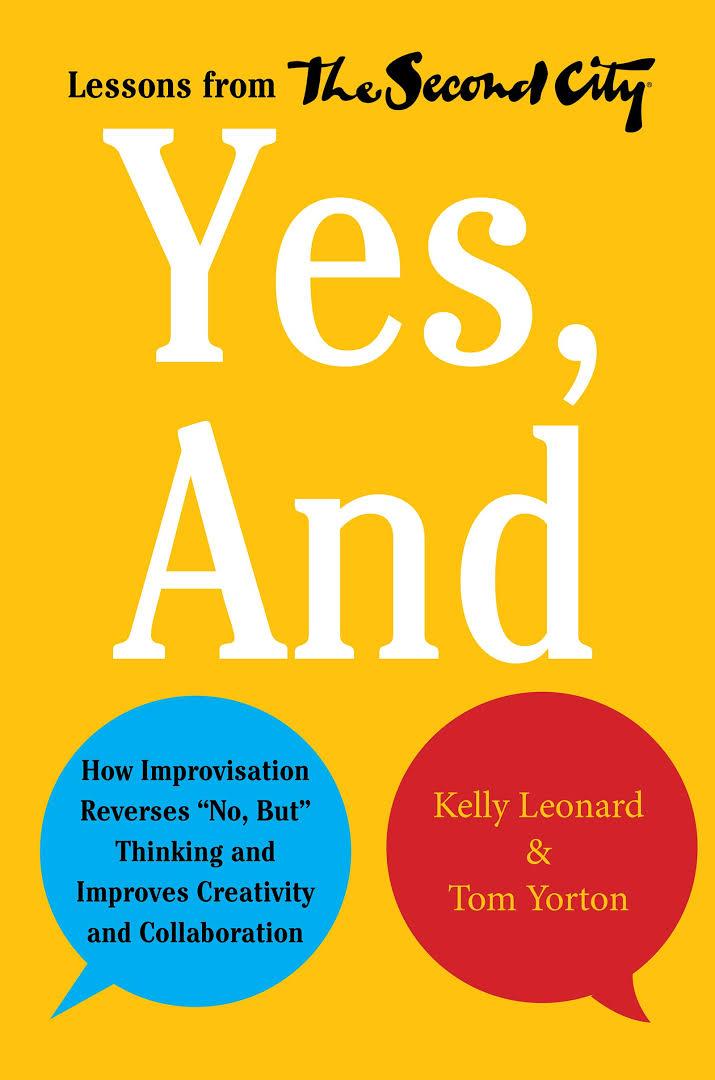
Yes, And
How Improvisation Reverses No, But Thinking and Improves Creativity and Collaboration
Kelly Leonard; Tom Yorton

Business Improv
Experiential Learning Exercises to Train Employees
Val Gee
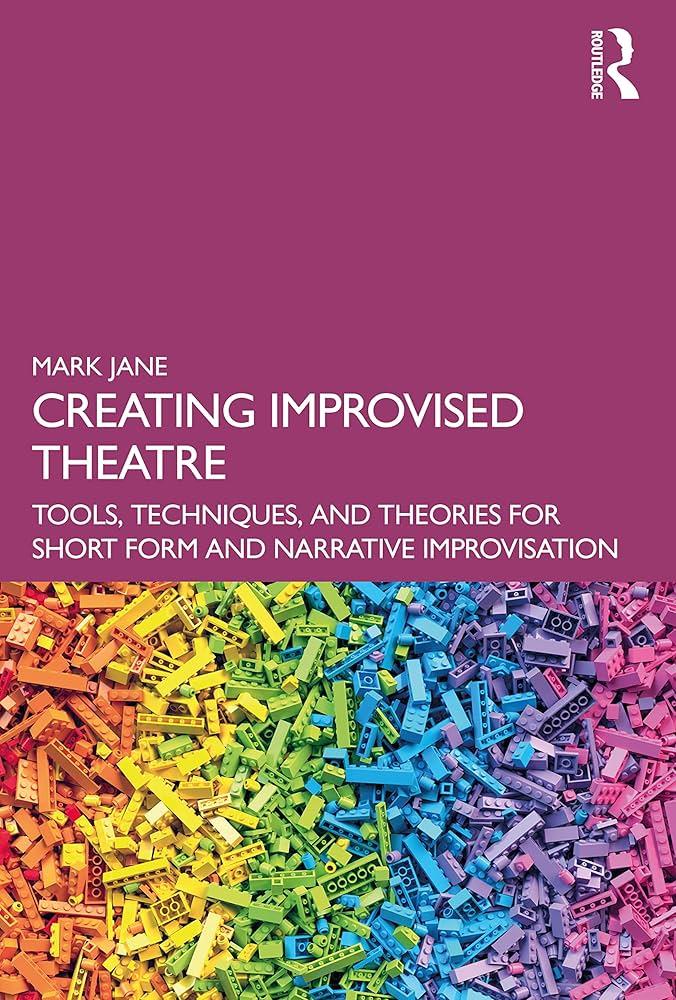
Creating Improvised Theatre
Tools, Techniques, and Theories
Mark Jane
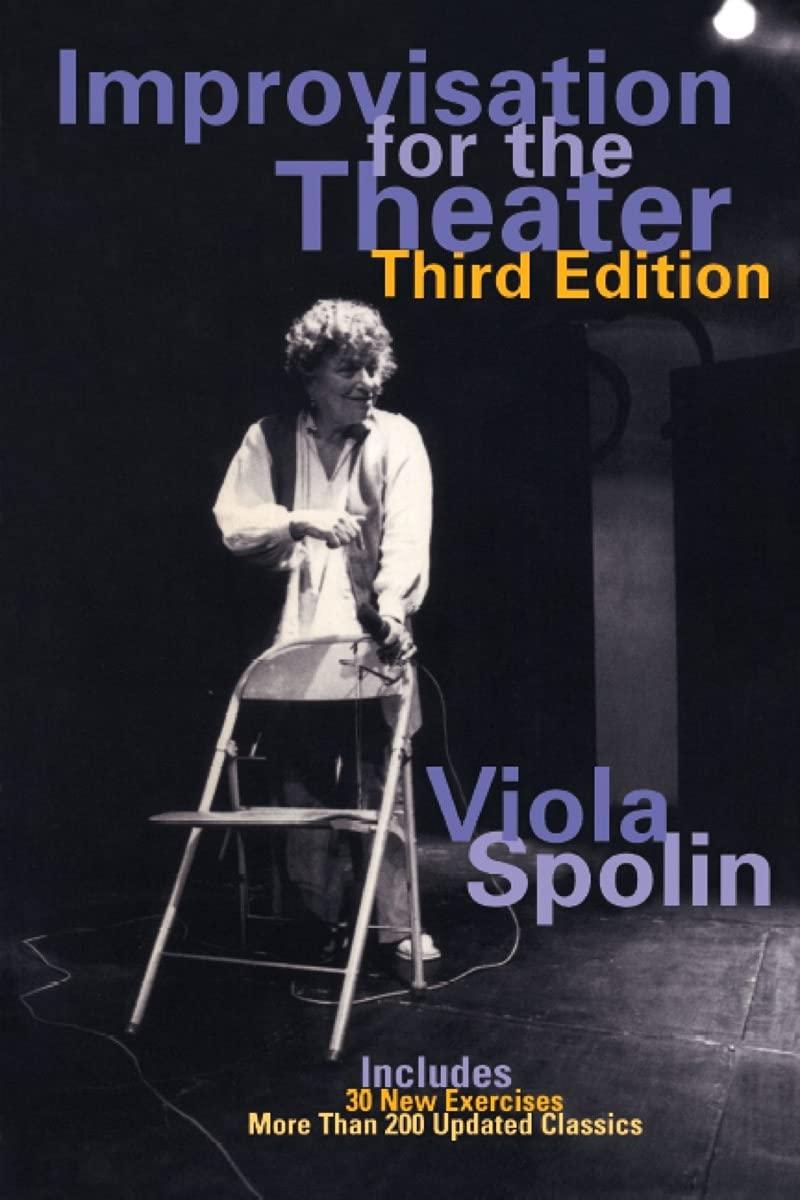
Improvisation for the Theater
A Handbook of Teaching and Directing Techniques
Viola Spolin

Something Wonderful Right Away
An Oral History of The Second City and The Compass Players
Jeffrey Sweet

Acting Up!
An Innovative Approach to Creative Drama for Older Adults
Marcie Telander; Flora Quinlan; Karol Verson
Related Exercises
Split Focus
Split Focus is an exercise in which two separate activities or scenes happen simultaneously on stage, and performers must manage audience attention between them. The exercise trains the skill of sharing stage focus and teaches players to find natural moments to take and yield the spotlight.
Enter and Exit
Enter and Exit is a physical exercise in which performers practice making clear, purposeful entrances and exits from the stage. Each entry or departure must communicate character, intention, or emotional state without relying on dialogue. The exercise highlights how much information an audience reads from the simple act of walking on or off stage: pace, posture, direction of gaze, and physical tension all communicate story before a single word is spoken. Enter and Exit builds awareness of the stage as a defined space with its own rules and teaches performers that every entrance is an offer and every exit is an edit.
Move On
Move On is a scene exercise in which a facilitator calls out the directive to prompt performers to abandon their current scene beat and transition immediately to a new choice. The call forces performers to leave comfortable territory and advance the scene rather than circling the same material. The exercise builds editorial instincts about when a moment has been fully explored and trains the habit of moving forward rather than sideways. It develops the internal sense of pacing that distinguishes dynamic scene work from repetitive scene work.
Rewind and Unblock
Rewind and Unblock is a coaching exercise in which a facilitator stops a scene at a point where it has stalled or gone off track, rewinds to an earlier moment, and asks the performers to make a different choice. The exercise teaches players to recognize blocking patterns and discover more productive scene paths. It builds the editorial skill of identifying where a scene lost momentum.
Pivot
Pivot is a scene exercise in which performers identify the moment when a scene needs to shift direction and make a deliberate choice to change it. The facilitator may call "Pivot" to signal the moment, or players practice identifying pivot points themselves. The exercise develops editorial awareness and trains the skill of knowing when a scene needs to evolve rather than repeat.
Advancing and Expanding
Advancing and Expanding is a scene technique exercise in which players practice the dual skills of moving a narrative forward and deepening the current moment. A caller instructs performers to either advance the plot or expand on the present beat with more detail and emotion. The exercise builds the storytelling instinct for when to push forward and when to linger.
How to Reference This Page
The Improv Archive. (2026). Give and Take. Retrieved March 17, 2026, from https://improvarchive.org/exercises/give-and-take
The Improv Archive. "Give and Take." The Improv Archive, 2026. https://improvarchive.org/exercises/give-and-take.
The Improv Archive. "Give and Take." The Improv Archive, 2026, https://improvarchive.org/exercises/give-and-take. Accessed March 17, 2026.
The Improv Archive is a systemically maintained repository. The archive itself acts as the corporate author.