Pivot
Pivot is a scene exercise in which performers identify the moment when a scene needs to shift direction and make a deliberate choice to change it. The facilitator may call "Pivot" to signal the moment, or players practice identifying pivot points themselves. The exercise develops editorial awareness and trains the skill of knowing when a scene needs to evolve rather than repeat.
Structure
Setup
Two performers begin a scene in the usual way. A facilitator watches from the side. There is no other setup; the exercise emerges from within the scene.
Facilitator-Cued Version
The scene runs normally. When the facilitator identifies a moment where the scene has established its central reality and is ready to develop , or where it is looping without growth , the facilitator calls "Pivot." The performers must immediately make a choice that shifts the scene's direction: introducing new information, changing the emotional register, shifting the physical relationship, or making an unexpected offer that reframes what has happened so far.
The scene continues from the pivot until the facilitator calls another, or until the scene reaches a natural conclusion.
Self-Directed Version
In the more advanced form, performers learn to identify pivot moments without the facilitator's call. They practice the internal awareness of sensing when a scene has finished establishing its premise and is ready to develop, or when it has reached a peak and needs a turn. The facilitator's role is to debrief: naming whether the pivot came at the right moment, too early (before the scene's reality was established), or too late (after the pattern had repeated itself into flatness).
What Constitutes a Pivot
A pivot is not a denial or a reset. It uses what has already been established and shifts it: a new piece of information that changes the meaning of what came before, an action that escalates rather than confirms, or an emotional shift in one character that changes the scene's dynamic.
How to Teach It
How to Explain It
"You are going to play a scene. When I call pivot, you must find a way to shift the scene in a new direction without breaking the reality you have already built. The scene pivots: it does not stop and restart."
Objectives
Pivot develops the executive awareness that separates strong scene performers from intermediate ones: the ability to observe a scene from within it, recognize its structural state, and make a choice that advances rather than confirms what exists. Performers who cannot pivot tend to play the same note louder rather than taking the scene somewhere new.
The exercise also addresses the fear of change: many performers instinctively protect the reality they have established rather than developing it. Pivot makes the act of change deliberate and safe, since the facilitator's call removes the performer's responsibility for identifying the moment.
Sequencing
Run the facilitator-cued version first. Performers need to experience a well-timed pivot from the outside before they can generate the internal sense of when it is needed. The self-directed version should come after performers can articulate, in debrief, why a given moment was a pivot point.
Common Coaching Notes
- "A pivot uses what you've built. It doesn't throw it out."
- "If you've said the same thing three different ways, the scene needed a pivot two times ago."
- "You're not pivoting away from the scene. You're pivoting into the next thing the scene needs."
- "The pivot point is usually just after the first time you think: is this it?"
History
Pivot as a discrete named exercise draws on the broader concept of the turning point or peripeteia in dramatic theory: the moment in a narrative where the situation irrevocably changes. Applied to improvisational pedagogy, the exercise makes explicit the intuitive skill of recognizing when a scene has established its premise and is ready to develop.
No specific origin for the improv exercise named Pivot has been documented in published improv sources reviewed. The concept it trains is addressed across improv and scene study curricula under related terms: scene editing, the game of the scene, escalation, and narrative development. The exercise is a facilitation tool for developing the same editorial awareness that long-form training addresses through the concept of the game move and the Harold's second beat.
Worth Reading
See all books →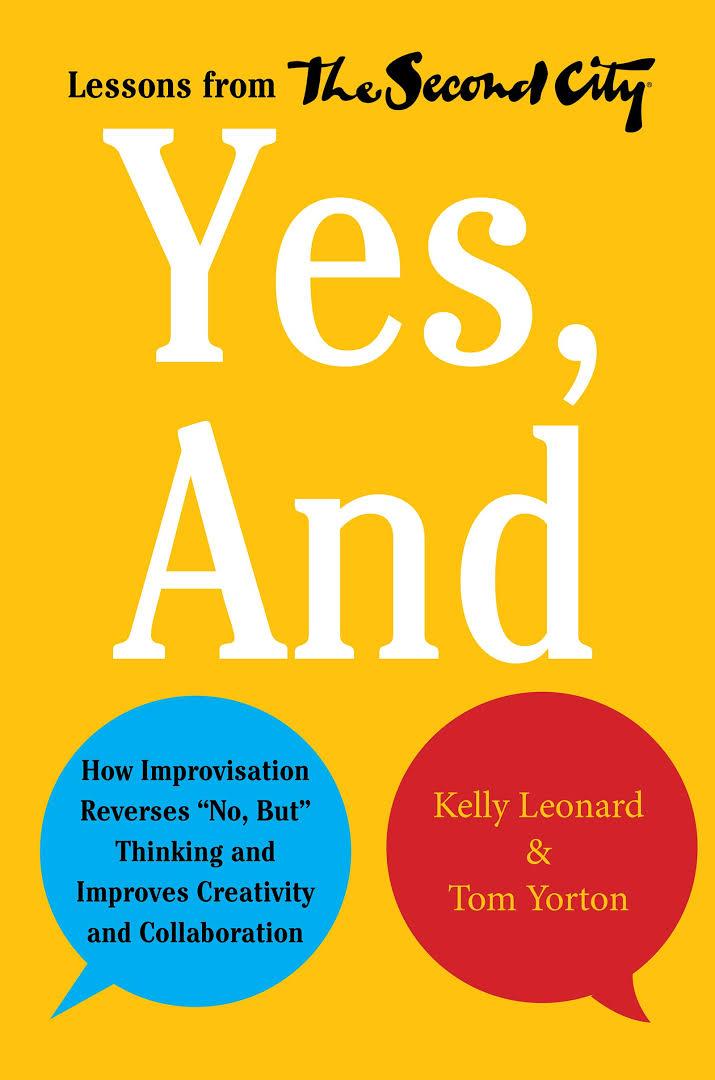
Yes, And
How Improvisation Reverses No, But Thinking and Improves Creativity and Collaboration
Kelly Leonard; Tom Yorton

The Routledge Companion to Improvisation in Organizations
Miguel Pina e Cunha; Dusya Vera; António Cunha Meneses

Improvised Theatre and the Autism Spectrum
A Practical Guide
Gary Kramer; Richie Ploesch

Embodied Playwriting
Improv and Acting Exercises for Writing
Hillary Haft Bucs; Charissa Menefee

Theatrical Improvisation, Consciousness, and Cognition
Clayton D. Drinko
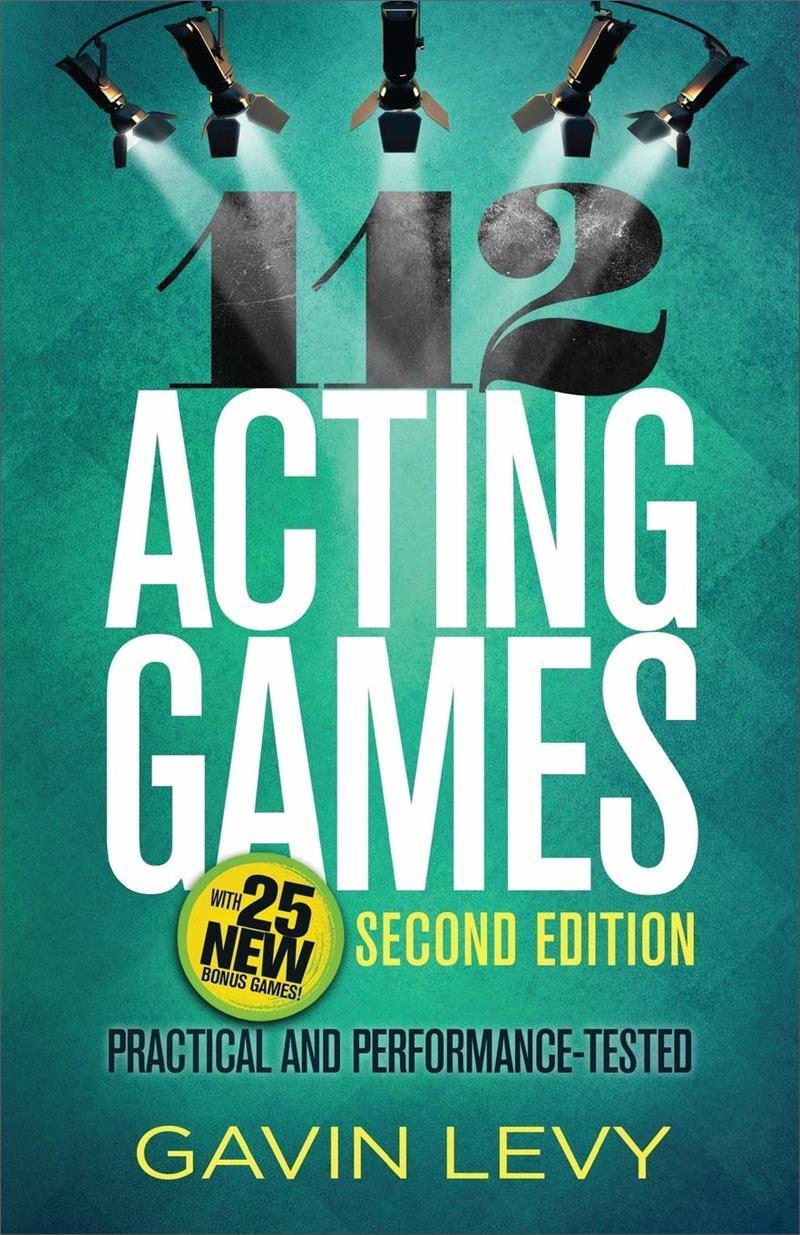
112 Acting Games
Gavin Levy
Related Exercises
Move On
Move On is a scene exercise in which a facilitator calls out the directive to prompt performers to abandon their current scene beat and transition immediately to a new choice. The call forces performers to leave comfortable territory and advance the scene rather than circling the same material. The exercise builds editorial instincts about when a moment has been fully explored and trains the habit of moving forward rather than sideways. It develops the internal sense of pacing that distinguishes dynamic scene work from repetitive scene work.
Play With
Play With is a scene exercise in which performers are directed to explore and heighten whatever elements have already emerged in a scene rather than driving toward a predetermined outcome. The coaching directive -- "play with it" -- asks players to treat each established detail, character behavior, or game pattern as material to revisit, expand, and discover rather than move past. The exercise trains the improv muscle of finding satisfaction in the present moment of a scene.
Rewind and Unblock
Rewind and Unblock is a coaching exercise in which a facilitator stops a scene at a point where it has stalled or gone off track, rewinds to an earlier moment, and asks the performers to make a different choice. The exercise teaches players to recognize blocking patterns and discover more productive scene paths. It builds the editorial skill of identifying where a scene lost momentum.
In-Out
In-Out is a scene exercise in which performers practice entering and leaving scenes with purpose and clarity. Each entrance must contribute something specific and each exit must feel earned. The exercise trains awareness of when a scene needs a new element and when a character has served their function.
Three Rules
Three Rules is a scene exercise in which the facilitator establishes three specific constraints that performers must maintain throughout their scene. The constraints can be physical (always touching the wall, never letting your hands go below your waist), verbal (never using the letter S, only asking questions), or behavioral (treat your partner as royalty, move as if underwater). The exercise demonstrates that limitations generate rather than restrict creative choices, and trains performers to divide attention between scene work and rule compliance.
How to Reference This Page
The Improv Archive. (2026). Pivot. Retrieved March 17, 2026, from https://improvarchive.org/exercises/pivot
The Improv Archive. "Pivot." The Improv Archive, 2026. https://improvarchive.org/exercises/pivot.
The Improv Archive. "Pivot." The Improv Archive, 2026, https://improvarchive.org/exercises/pivot. Accessed March 17, 2026.
The Improv Archive is a systemically maintained repository. The archive itself acts as the corporate author.