Here's What I Heard
Here's What I Heard is an applied listening exercise in which one partner speaks briefly about something real -- a current situation, a concern, a recent experience -- and the listener reflects back what they heard in their own words. The speaker then responds to the reflection, noting what the listener captured accurately and what was missed or distorted. The exercise develops active listening, accurate paraphrasing, and the discipline of genuinely receiving another person's communication before responding.
Structure
Setup
Participants work in pairs. The facilitator establishes the format: one person speaks for one to two minutes on a real topic, and the listener's task is to receive and then reflect.
Speaking
The speaker shares something real -- a current project challenge, a decision they are navigating, a concern at work, or a recent experience. The speaker is not performing or presenting; they are speaking as they would to a trusted colleague.
Reflecting
When the speaker finishes, the listener responds: "Here's what I heard..." and paraphrases the content, the emotional tone, and the apparent significance of what was shared. The reflection is not evaluation, advice, or agreement -- it is a genuine attempt to show the speaker what registered.
Verification
The speaker responds to the reflection: what did the listener get right, what was missed, what was heard differently than intended? This is not criticism but genuine calibration -- helping the listener understand where their attention went and where it was absent.
Conclusion
Pairs may switch roles or the exercise may end with the first reflection. A group debrief names what made accurate paraphrasing difficult.
How to Teach It
Objectives
Here's What I Heard develops the discipline of listening to understand rather than to respond, the skill of accurate paraphrasing, and the experience of feeling genuinely heard -- which the speaker can recognize because the listener's reflection shows what landed.
How to Explain It
"One of you speaks. One of you listens. When the speaker is done, the listener reflects back what they heard -- not what they think, not what they want to say, but what they actually received. Then the speaker tells them what they got right."
Scaffolding
Establish the reflection format explicitly -- "Here's what I heard" as an opening phrase -- so listeners have a clear structural anchor. This prevents the reflection from drifting into advice, questions, or personal response. The discipline of the phrase is part of the exercise.
Common Pitfalls
Listeners frequently reflect the content of what was said but miss the emotional register or the speaker's apparent sense of what was most significant. The coaching note is that hearing is not just about information -- it is about importance, feeling, and what the speaker was actually trying to communicate beneath the words.
In Applied Settings
Learning Objectives
In applied settings, Here's What I Heard develops the listening discipline that separates people who hear from people who understand. The exercise targets the most common listening failure in professional environments: processing what someone said while formulating a response, rather than genuinely receiving the communication.
Workplace Transfer
The exercise transfers directly to feedback conversations, one-on-one meetings, collaborative problem-solving, and any professional context where understanding what someone actually communicated -- not what was expected or preferred -- matters. Participants who have practiced reflection under this exercise's specific constraints report greater awareness of when they are listening to confirm their existing understanding versus when they are genuinely open to receiving something different.
Facilitation Context
Here's What I Heard is used in communication training, leadership development, feedback skill-building, and team listening workshops. It is appropriate for any professional group and requires no prior improv experience. Pairs work best, allowing every participant to practice both roles. Groups of 8 to 20 allow for rich debrief after the paired work.
Debrief Framing
Ask participants: "What did your listener get right? What did they miss? What made accurate paraphrasing difficult? When in your work do you need someone to reflect back what they heard from you?"
Skills Developed
Worth Reading
See all books →
When I Say This, Do You Mean That?
Enhancing Communication
Cherie Kerr; Julia Sweeney
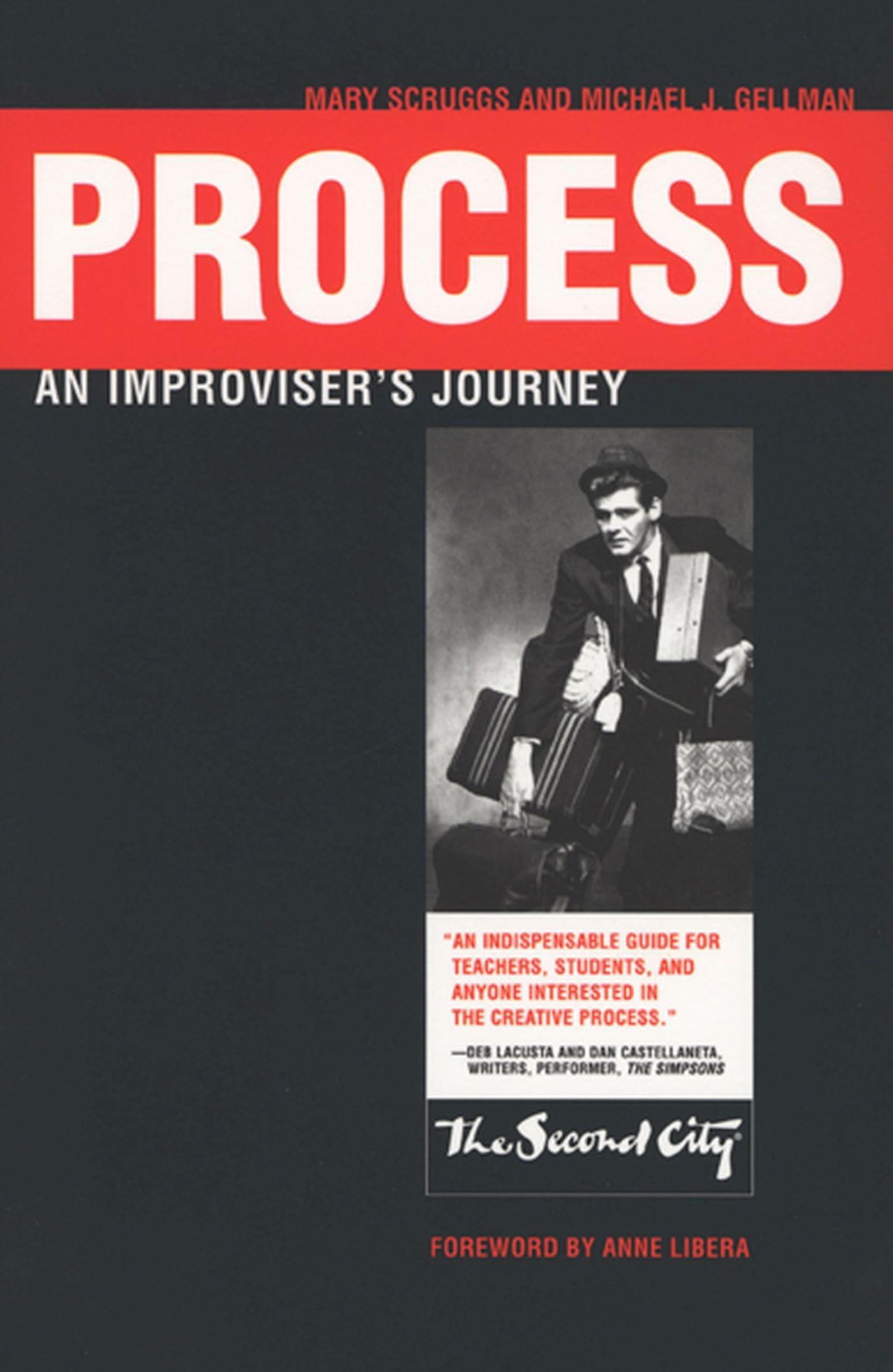
Process: An Improviser's Journey
Mary Scruggs; Michael J. Gellman

Improvising Real Life
Personal Story in Playback Theatre
Jo Salas

Group Improvisation
The Manual of Ensemble Improv Games
Peter Campbell Gwinn; Charna Halpern

Action Theater
The Improvisation of Presence
Ruth Zaporah

The "Yes And" Business Evolution
Improv Skills for Leadership and Life
Tracy Shea-Porter
Related Exercises
Paraphrase
Partners practice paraphrasing each other's statements to confirm understanding and demonstrate active listening.
Last Word, First Word
Last Word First Word is an applied improv listening exercise in which each participant must begin their sentence with the last word spoken by the previous participant, carrying the conversation forward through this chain of shared language. The constraint makes end-of-utterance attention mandatory and creates a visible, audible record of how carefully each participant tracked their partner's contribution before responding.
Copy Line
Copy Line is a scene exercise in which one performer repeats back the exact words their partner just said before delivering their own new line. The mandatory echo forces performers to genuinely hear what was said before responding, building the habit of listening-before-speaking and preventing the common improv drift of planning the next line while the partner is still talking.
Repetition
Pairs have a conversation one sentence at a time. Before responding, each person must repeat their partner's entire sentence. Forces active listening through to the end of a thought.
Mirroring
Common alternate title for the same partner-copying listening exercise.
Yes Based Conversations
Yes Based Conversations is an exercise in which performers practice having conversations built entirely on agreement and mutual support. Each speaker accepts what the other has said and adds their own perspective without contradiction. The exercise breaks the habit of default negation and demonstrates how agreement generates more productive scenes than conflict.
How to Reference This Page
The Improv Archive. (2026). Here's What I Heard. Retrieved March 17, 2026, from https://improvarchive.org/exercises/heres-what-i-heard
The Improv Archive. "Here's What I Heard." The Improv Archive, 2026. https://improvarchive.org/exercises/heres-what-i-heard.
The Improv Archive. "Here's What I Heard." The Improv Archive, 2026, https://improvarchive.org/exercises/heres-what-i-heard. Accessed March 17, 2026.
The Improv Archive is a systemically maintained repository. The archive itself acts as the corporate author.