Interrupting
Interrupting is an applied listening exercise in which one participant tells their family history or personal narrative while a partner interrupts with questions, contradictions, or redirection. The exercise makes viscerally clear the experience of being interrupted -- the loss of thread, the disruption of thought, the shift of attention from the speaker's content to managing the interruption. It is used in communication training to build awareness of interruption as a specific, impactful behavior rather than a neutral conversational habit.
Structure
Setup
Participants work in pairs. Person A is the speaker; Person B is designated as the interrupter. The facilitator establishes the speaker's task: tell the story of your family -- where you grew up, your family members, significant moments from childhood.
The Exercise
Person A begins speaking. Person B interrupts at regular intervals: asking questions that redirect the story, introducing contradictions, completing Person A's sentences incorrectly, or simply speaking over them.
The interruptions should feel natural rather than deliberately disruptive -- the interrupter is curious, engaged, and completely unaware that they are causing disruption.
Person A's Experience
Person A continues attempting to tell their story throughout, managing the interruptions while trying to maintain their own narrative thread. The exercise lasts two to three minutes.
Debrief
The pair debriefs immediately: what did Person A experience? What happened to their story? What did the interruptions cost? Person B reflects on when they interrupted and what they were responding to.
How to Teach It
Objectives
Interrupting makes the experience of being interrupted physically and emotionally real for participants, building empathy for those on the receiving end of this common communication behavior and generating specific awareness of when and why interruption occurs.
How to Explain It
"Person A, you're telling us about your family -- go wherever you want with it. Person B, you're curious. Ask things, add to what they say. Don't try to disrupt them -- just be enthusiastically present in the conversation."
Scaffolding
Brief Person B to interrupt naturally rather than disruptively, so the exercise produces the authentic dynamic of well-meaning but impact-laden interruption rather than obvious rudeness. The most valuable learning comes from interruption that feels like engagement rather than attack.
Common Pitfalls
Person B sometimes interrupts too aggressively, making the exercise feel like an obvious antagonism exercise rather than an exploration of a real communication pattern. The coaching note is that the most damaging interruptions are the ones that come from genuine interest and curiosity -- not from dismissal.
In Applied Settings
Learning Objectives
In applied settings, Interrupting develops empathy for the experience of being interrupted and specific awareness of interruption as a behavior with measurable impact on communication quality, relationship trust, and the speaker's sense of being heard. The exercise is particularly effective for participants who interrupt frequently but are unaware of the impact.
Workplace Transfer
The exercise transfers directly to meeting dynamics, collaborative conversations, feedback sessions, and any professional context where some participants consistently lose their thread while others consistently hold the floor. Participants who have experienced the interrupting exercise as Person A often report permanent shifts in their listening behavior -- not because they are told interruption is bad, but because they have felt its specific costs.
Facilitation Context
Interrupting is used in communication training, team dynamics workshops, leadership development, and diversity and inclusion programs where meeting participation and conversational equity are addressed. The exercise works in pairs and requires two to three minutes per round, plus debrief time. It is typically paired with the Interrupting Variation exercise to explore how apology changes the dynamic.
Debrief Framing
Ask participants: "What happened to your story? What did the interruptions cost? Person B, when did you interrupt -- what were you responding to? What would it mean to your team if this dynamic changed?"
Skills Developed
Worth Reading
See all books →
When I Say This, Do You Mean That?
Enhancing Communication
Cherie Kerr; Julia Sweeney

Whose Improv Is It Anyway?
Beyond Second City
Amy E. Seham
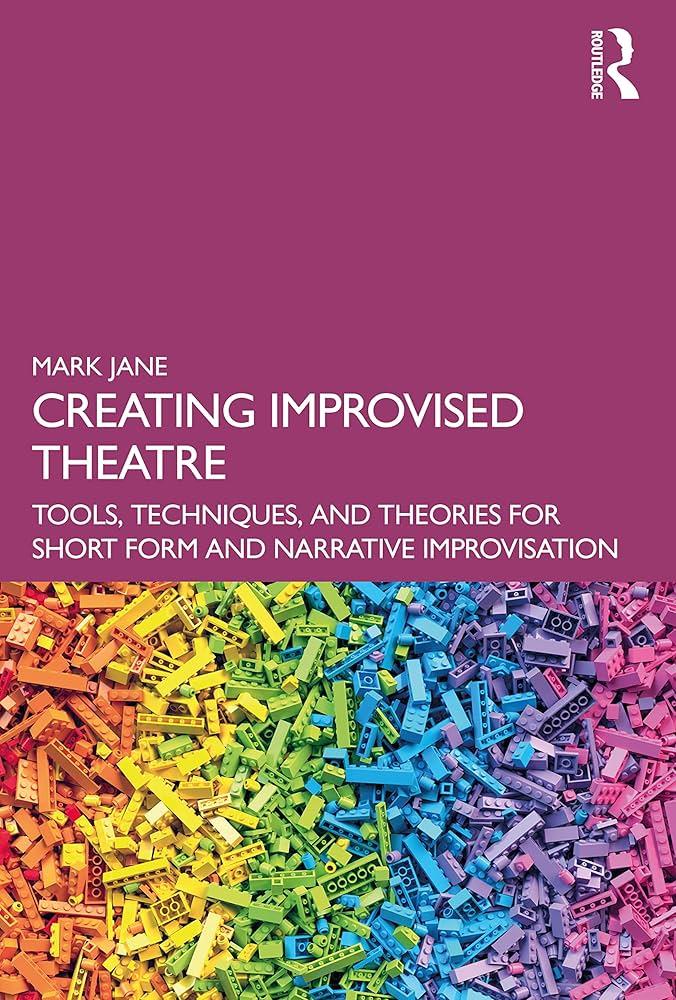
Creating Improvised Theatre
Tools, Techniques, and Theories
Mark Jane

Semiotics and Pragmatics of Stage Improvisation
Domenico Pietropaolo; Paul Bouissac

Improvising Real Life
Personal Story in Playback Theatre
Jo Salas

Long Form Improvisation and American Comedy
The Harold
Matt Fotis
Related Exercises
The Interrupter
An exercise where one participant repeatedly interrupts another, followed by reflection on the impact of interruption on communication flow.
Interrupting Variation
Interrupting Variation is an applied exercise that follows the same structure as the Interrupting exercise, with one change: Person B must apologize each time they interrupt. The exercise explores whether an apology changes the lived experience of being interrupted. Participants typically discover that the apology does little to repair the disruption it follows -- the thread is broken, the moment is lost -- making visible the gap between social acknowledgment of impact and actual mitigation of it.
What If?
One person improvises a story. Their partner periodically interrupts with What if questions that redirect the narrative. Trains divergent thinking and helps explore self-imposed limits.
Touch to Talk and Eye Contact to Speak
Pairs have a conversation where neither person can speak without first making physical contact or strong eye contact. Shows that communication requires a connected partner.
Last Word, First Word
Last Word First Word is an applied improv listening exercise in which each participant must begin their sentence with the last word spoken by the previous participant, carrying the conversation forward through this chain of shared language. The constraint makes end-of-utterance attention mandatory and creates a visible, audible record of how carefully each participant tracked their partner's contribution before responding.
The Five Second Rule
In a two-person scene or brainstorming circle, neither person can speak until five full seconds after the previous speaker finishes. Forces genuine listening and prevents idea-steamrolling.
How to Reference This Page
The Improv Archive. (2026). Interrupting. Retrieved March 17, 2026, from https://improvarchive.org/exercises/interrupting
The Improv Archive. "Interrupting." The Improv Archive, 2026. https://improvarchive.org/exercises/interrupting.
The Improv Archive. "Interrupting." The Improv Archive, 2026, https://improvarchive.org/exercises/interrupting. Accessed March 17, 2026.
The Improv Archive is a systemically maintained repository. The archive itself acts as the corporate author.