Interrupting Variation
Interrupting Variation is an applied exercise that follows the same structure as the Interrupting exercise, with one change: Person B must apologize each time they interrupt. The exercise explores whether an apology changes the lived experience of being interrupted. Participants typically discover that the apology does little to repair the disruption it follows -- the thread is broken, the moment is lost -- making visible the gap between social acknowledgment of impact and actual mitigation of it.
Structure
Setup
Participants work in the same pairs as the Interrupting exercise, with roles reversed or maintained. The facilitator introduces the single rule change: Person B may still interrupt, but must apologize immediately after each interruption before proceeding.
The Exercise
Person A tells their story. Person B interrupts -- then apologizes ("Sorry, I just wanted to say...") -- then continues with their interruption. The story continues to be disrupted, but each disruption is socially acknowledged.
Person A's Experience
Person A experiences the interruptions with the apology present. The facilitator asks them to notice: does the apology change what the interruption costs? Does it restore the thread? Does it change the relationship?
Debrief
The pair debriefs immediately, comparing the experience to the first exercise. The debrief focuses on the specific question: what does an apology actually repair?
How to Teach It
Objectives
Interrupting Variation develops awareness that social acknowledgment of impact -- the apology -- does not necessarily repair the actual cost of the behavior. It makes the gap between social form and genuine repair visible and felt.
How to Explain It
"Same exercise as before, with one change. You can still interrupt -- but you have to apologize. Right away. Then you can finish your thought. Person A, notice: does the apology help?"
Scaffolding
Run Interrupting first so participants have a baseline experience of unacknowledged interruption before comparing it to the apologized version. The comparison is the exercise's key learning surface.
Common Pitfalls
Some participants find that the apology actually makes the interruption feel worse -- the acknowledgment of impact followed by completion of the interruptive behavior can feel more presumptuous than the raw interruption. Note this variation as a valuable learning rather than an anomaly: different participants experience the apology's effect differently.
In Applied Settings
Learning Objectives
In applied settings, Interrupting Variation develops nuanced understanding of the relationship between acknowledgment and repair: the apology signals that Person B knows their behavior has impact, but does not eliminate the impact. This distinction is important in team dynamics, feedback conversations, and any professional context where interruption is chronic and socially managed rather than actually reduced.
Workplace Transfer
The exercise transfers to meeting dynamics and communication culture. Teams where interruption is common but consistently apologized for may have normalized the apology as a substitute for behavioral change. Participants who have experienced both the unacknowledged and apologized versions of interruption often develop more precise language for what they actually need -- not an apology after interruption, but the space to finish speaking before a response arrives.
Facilitation Context
Interrupting Variation is used as a paired follow-up to the Interrupting exercise in communication training, diversity and inclusion programs, meeting effectiveness workshops, and leadership development. The two exercises are most effective when run sequentially, with debrief comparing the experiences.
Debrief Framing
Ask participants: "Did the apology change how the interruption felt? What did it repair -- and what did it not repair? What would it take to actually change the dynamic rather than acknowledge it?"
Skills Developed
Worth Reading
See all books →
When I Say This, Do You Mean That?
Enhancing Communication
Cherie Kerr; Julia Sweeney
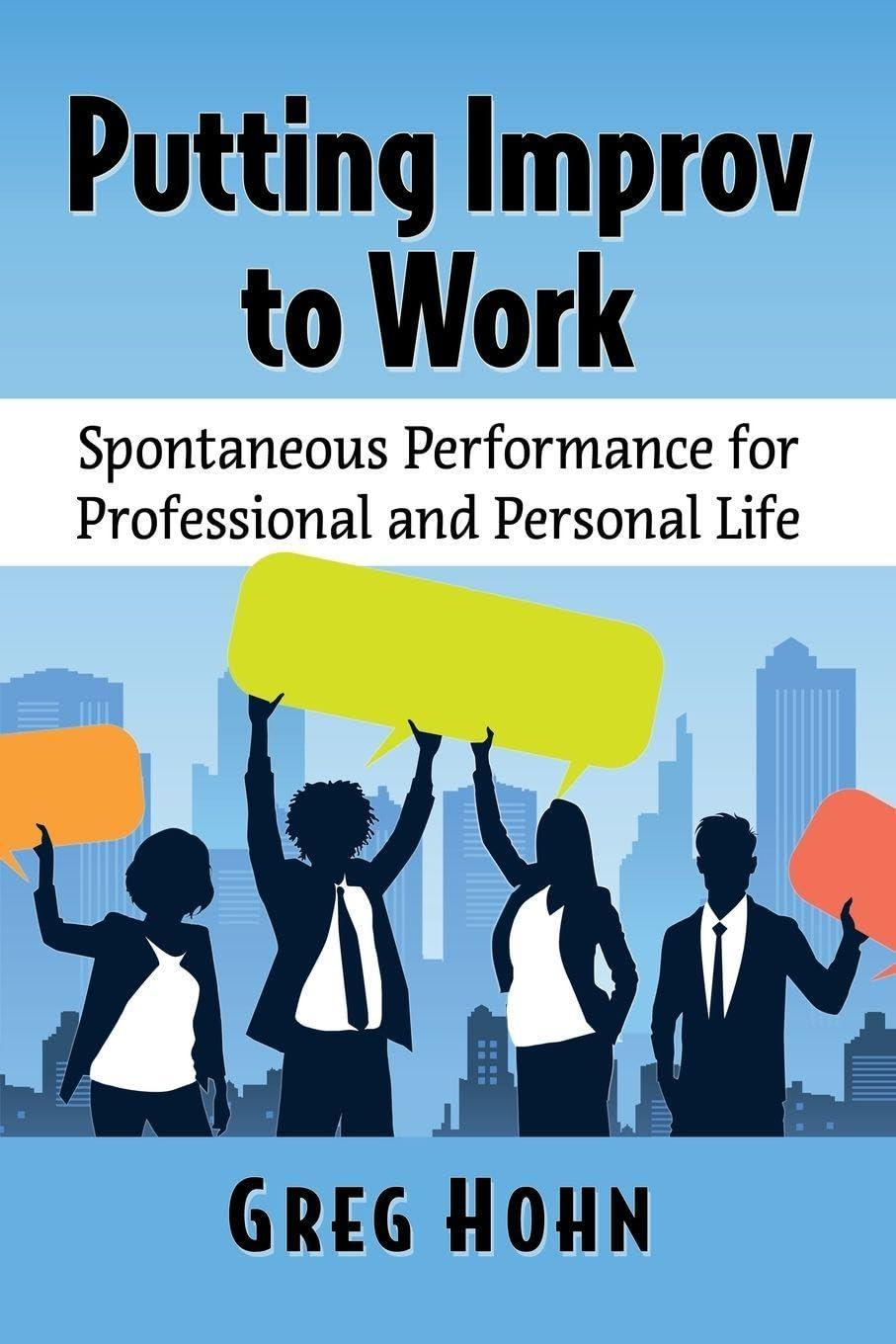
Putting Improv to Work
Spontaneous Performance for Leadership, Learning, and Life
Greg Hohn

The Improv Mindset
How to Make Improvisation Your Superpower for Success
Keith Saltojanes
The Improvisation Book
How to Conduct Successful Improvisation Sessions
John S.C. Abbott
A Subversive's Guide to Improvisation
Moving Beyond "Yes, and"
David Razowsky

The Improv Handbook
The Ultimate Guide to Improvising in Comedy, Theatre, and Beyond
Tom Salinsky; Deborah Frances-White
Related Exercises
Interrupting
Interrupting is an applied listening exercise in which one participant tells their family history or personal narrative while a partner interrupts with questions, contradictions, or redirection. The exercise makes viscerally clear the experience of being interrupted -- the loss of thread, the disruption of thought, the shift of attention from the speaker's content to managing the interruption. It is used in communication training to build awareness of interruption as a specific, impactful behavior rather than a neutral conversational habit.
The Interrupter
An exercise where one participant repeatedly interrupts another, followed by reflection on the impact of interruption on communication flow.
A Moment of Silence
A Moment of Silence is a scene exercise in which actors must wait through a long pause before answering each line. The pause forces them to stay present, justify silence through behavior, and listen with more than words. It is less about dead air than about learning how much can still be happening when nobody is speaking.
Canadian Who What Where
Canadian Who What Where is a variation on the classic Who What Where scene-building exercise, typically played with an apologetic or overly polite Canadian sensibility. Players establish character, activity, and location within the opening moments of a scene. The exercise reinforces the foundational skill of grounding scenes quickly with specific information.
What If?
One person improvises a story. Their partner periodically interrupts with What if questions that redirect the narrative. Trains divergent thinking and helps explore self-imposed limits.
How to Reference This Page
The Improv Archive. (2026). Interrupting Variation. Retrieved March 17, 2026, from https://improvarchive.org/exercises/interrupting-variation
The Improv Archive. "Interrupting Variation." The Improv Archive, 2026. https://improvarchive.org/exercises/interrupting-variation.
The Improv Archive. "Interrupting Variation." The Improv Archive, 2026, https://improvarchive.org/exercises/interrupting-variation. Accessed March 17, 2026.
The Improv Archive is a systemically maintained repository. The archive itself acts as the corporate author.