Popcorn
Popcorn is an ensemble energy exercise in which players crouch on the ground and pop up one at a time to shout a word, sound, or short phrase before dropping back down. The group must self-regulate so that pops do not overlap and the rhythm stays dynamic. The exercise builds group awareness, spontaneity, and the instinct to fill empty space without stepping on others.
Structure
Setup
The full group forms a circle and crouches close to the ground. The facilitator names a theme, word list, or open prompt that players will respond to when they pop up.
Gameplay
Players pop up spontaneously, shout their word or phrase, and drop back down. The constraint is that only one player may be standing at any given moment: if two players pop up simultaneously, both must drop back down and try again. If no one pops up for an extended beat, the facilitator may prompt without penalizing.
Gavin Levy documents the exercise as game 95 in 112 Acting Games, noting that the body must be alert and energized and that it is up to the student to discover how to create this feeling. The game requires players to hold readiness without acting on it until the right moment.
Variants include adding a theme to each pop (players must pop with a word in a named category), increasing the speed requirement, or having players pop up and hold until another player pops up, at which point the first player sits.
Debrief
After the exercise, players discuss the experience of holding readiness: how it felt to wait, when the impulse to pop arose, and how they sensed whether the space was available. This language of alertness and timing transfers directly to ensemble scene work.
How to Teach It
How to Explain It
"Stand in a circle with space between you. Someone starts a physical action: a jump, a clap, a stomp. It ripples around the circle like popcorn popping. No one moves until the energy reaches them. When it arrives, receive it and pass it on."
Objectives
Popcorn trains two complementary skills. The first is physical readiness: sustaining an alert, energized posture without premature action. Players who collapse into waiting rather than holding readiness lose the capacity to respond quickly when the space opens. The second is group sensing: developing an awareness of the ensemble's rhythm and energy that allows a player to distinguish a genuinely open moment from one that another player is already filling.
Scaffolding
Begin with a slow version in which the facilitator counts to three before any player may pop. This creates a shared sense of the rhythm without competition. Gradually remove the count, letting the group discover its own timing.
For groups that struggle with simultaneous pops, add a simple rule: make eye contact with someone across the circle before popping. This forces players to read the group before acting.
For advanced groups, introduce a content requirement: players must pop with a word in a rapidly changing category that the facilitator announces every few rounds. This adds cognitive load while the group maintains physical rhythm.
Common Coaching Notes
- "Stay crouched. Readiness is not the same as resting."
- "If you popped at the same time, both of you sit. The space wasn't clear."
- "Feel the silence. The right moment will announce itself."
- "Don't plan what you'll say. Let the word come when you pop."
History
Gavin Levy documents Popcorn as exercise 95 in 112 Acting Games (2005), presenting it as a group energy and awareness drill. Levy's framing emphasizes physical alertness: the exercise requires the body to be ready to act without knowing exactly when action will be required, which is a fundamental condition of ensemble performance.
The exercise belongs to a broader family of ensemble readiness drills that appear across improv and theatre training curricula. Exercises structured around simultaneous restraint and spontaneous release train the same instinct: the ability to sense group rhythm, recognize an open space, and act into it without deliberation.
Worth Reading
See all books →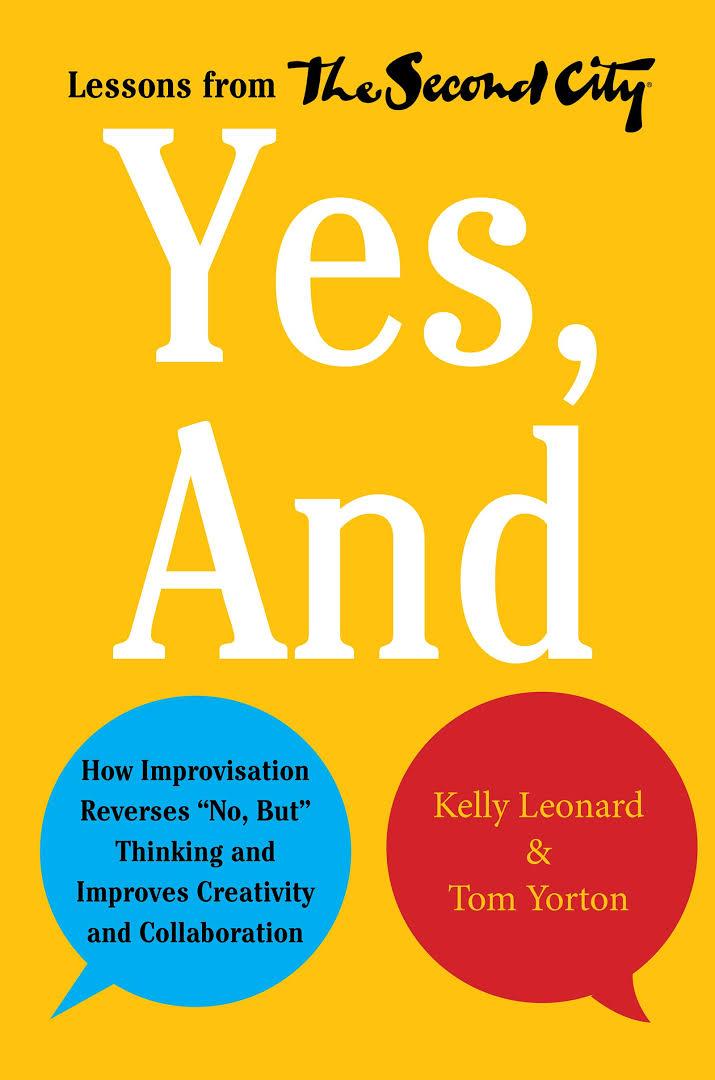
Yes, And
How Improvisation Reverses No, But Thinking and Improves Creativity and Collaboration
Kelly Leonard; Tom Yorton
The Actor's Book of Improvisation
Sandra Caruso; Paul Clemens

Theatrical Improvisation
Short Form, Long Form, and Sketch-Based Improv
Jeanne Leep
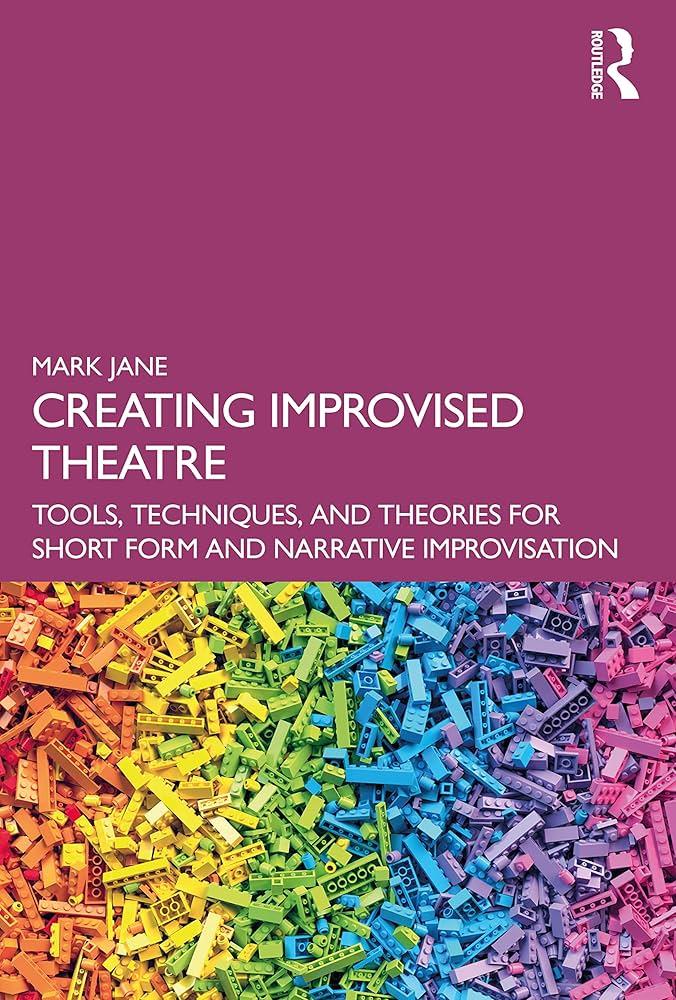
Creating Improvised Theatre
Tools, Techniques, and Theories
Mark Jane

Mask Improvisation for Actor Training and Performance
the compelling image
Sears A. Eldredge

Acting Up!
An Innovative Approach to Creative Drama for Older Adults
Marcie Telander; Flora Quinlan; Karol Verson
Related Exercises
Shuffle
Shuffle is a physical warm-up exercise in which players mill through the space and must quickly form groups of a called-out number when the facilitator gives the signal. Players who cannot find a complete group in time are eliminated or take a forfeit. The exercise builds physical energy, spatial awareness, and the habit of actively and immediately seeking connection with other players.
Zulu
Zulu (1) is an energetic warm-up exercise in which players perform a series of synchronized group movements and chants, building collective rhythm and physical energy. The call-and-response format creates strong group cohesion and raises the energy level quickly. The exercise is commonly used as a pre-show warm-up to unite the ensemble.
Volcano
Volcano is a group warm-up exercise in which the ensemble builds collective vocal and physical energy gradually from silence to a full explosive release, then returns to silence. The exercise calibrates the group's shared energy and teaches performers to build and release intensity together as a single unit. It functions as an energizer and ensemble-synchronization exercise.
Trust Exercise
Trust Exercise is an ensemble warm-up in which players practice physical vulnerability and mutual support through structured trust-fall and trust-lift configurations. One player allows their body to be caught, supported, or passed by the group, developing the physical and psychological openness that ensemble ensemble work requires. The exercise builds ensemble cohesion by making reliance on others literal and concrete.
Crescendo
Crescendo is a group energy exercise in which the ensemble gradually builds sound, movement, or emotional intensity from complete stillness to a peak, then releases back to silence. The exercise trains dynamic control, group sensitivity, and the ability to ride a shared wave of energy without any single player driving the escalation. Crescendo demonstrates the dramatic power of collective escalation and release, teaching performers that the contrast between quiet and loud, stillness and movement, creates more impact than sustained high energy alone.
Count Off
Count Off is a group focus exercise in which players attempt to count to a target number, one person speaking at a time, without any predetermined order or pattern. If two or more players speak simultaneously, the count restarts from one. No gestures, signals, or eye contact are permitted to coordinate turns. The exercise trains group sensitivity, the ability to read collective impulse, and the patience to find the right moment to contribute. Count Off reveals the ensemble's current level of attunement: a group that can consistently reach high numbers has developed a shared awareness that transfers directly to scene work.
How to Reference This Page
The Improv Archive. (2026). Popcorn. Retrieved March 17, 2026, from https://improvarchive.org/exercises/popcorn
The Improv Archive. "Popcorn." The Improv Archive, 2026. https://improvarchive.org/exercises/popcorn.
The Improv Archive. "Popcorn." The Improv Archive, 2026, https://improvarchive.org/exercises/popcorn. Accessed March 17, 2026.
The Improv Archive is a systemically maintained repository. The archive itself acts as the corporate author.