Portrait
One participant poses while others describe what they observe, developing skills of attention, description, and appreciative observation.
Worth Reading
See all books →
The Improv Illusionist
Using Object Work, Environment, and Physicality in Performance
David Raitt

Mask Improvisation for Actor Training and Performance
the compelling image
Sears A. Eldredge
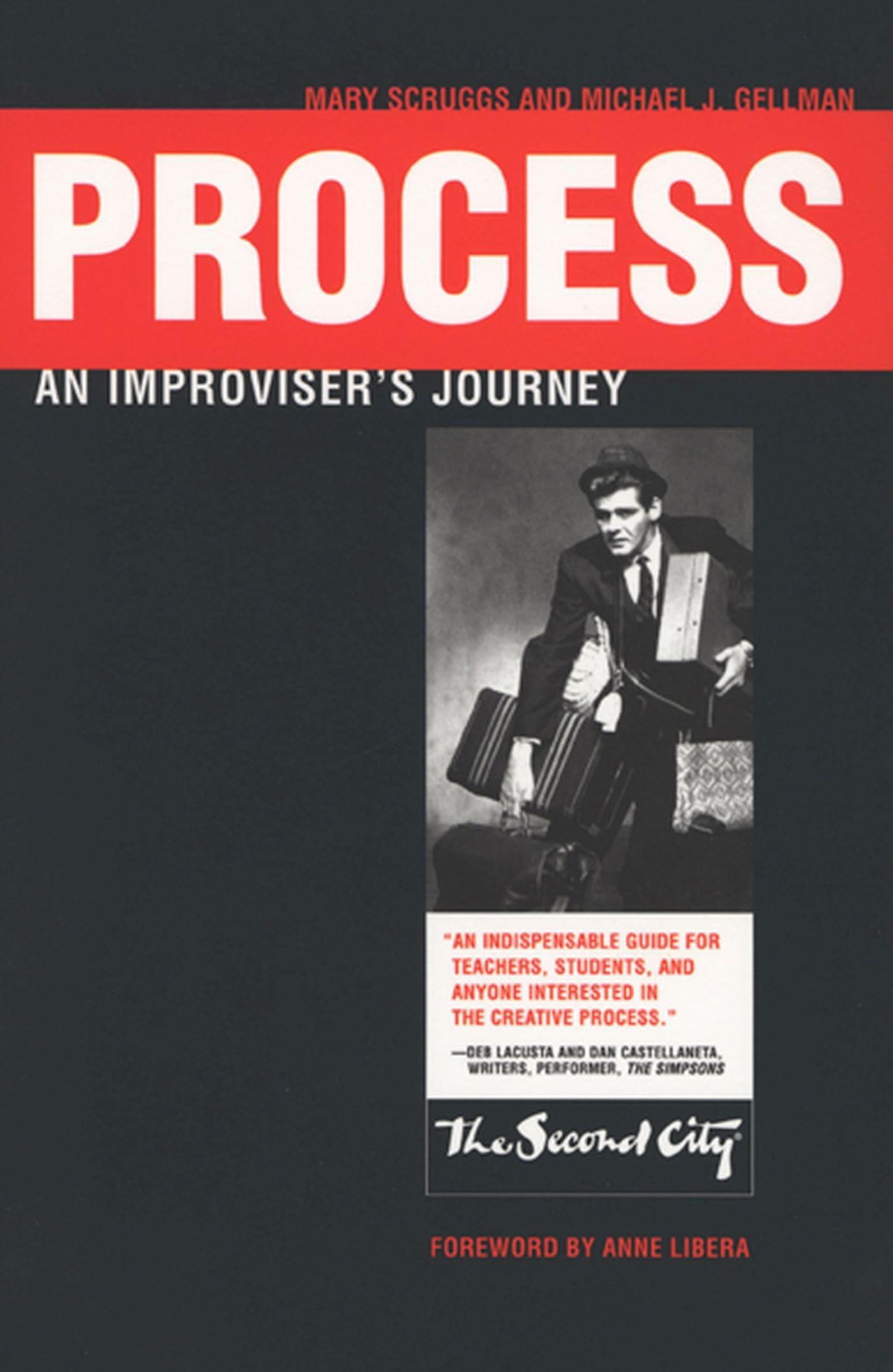
Process: An Improviser's Journey
Mary Scruggs; Michael J. Gellman

Improvising Real Life
Personal Story in Playback Theatre
Jo Salas

Group Improvisation
The Manual of Ensemble Improv Games
Peter Campbell Gwinn; Charna Halpern

Action Theater
The Improvisation of Presence
Ruth Zaporah
Related Exercises
Imitate
Imitate is an observation exercise in which players study and reproduce the specific physical mannerisms, vocal patterns, and behavioral habits of another person in the group. The exercise sharpens observational detail and builds the ability to embody external characteristics with precision. Close observation reveals how much personality is communicated through small, habitual movements: the way someone shifts weight, the rhythm of their speech, the angle of their head when listening. Imitate develops the skill set needed for character work grounded in real-world observation rather than invention.
Camera Game
Camera Game is an observation exercise in which one player acts as a "camera," closing their eyes while a partner physically guides them through the space, briefly opening their eyes to capture mental snapshots of what they see. The exercise develops visual memory, trust, and sensory awareness. It reframes everyday environments as material worth noticing.
Describe Me If You Can
Describe Me If You Can is an observation exercise in which players study a partner's appearance, then turn away and attempt to describe them in precise detail from memory. The exercise sharpens visual attention and reveals how much we overlook in familiar faces. It builds the observational skills that feed specific, grounded scene work.
What Has Changed
What Has Changed is an observation exercise in which partners face each other, study each other carefully, then turn away while one partner makes a subtle change to their appearance. When both turn back, the observer must identify what is different. The exercise sharpens visual attention to detail and the habit of specific, active observation of scene partners.
Three Changes
Three Changes is an observation exercise in which partners face each other, study their appearance, turn away, and each make three small changes. They then turn back and attempt to identify what the other altered. The exercise sharpens observational detail and teaches performers to notice the subtle specifics that bring characters and environments to life.
Strike a Pose
Strike a Pose is a physical exercise in which players assume strong, committed physical positions and use each pose as a starting point for character, scene, or interpretive discovery. The exercise demonstrates that physical choices precede and inform emotional and character choices, rather than following from them. Multiple documented variants use the same core mechanic of striking and holding a pose to develop ensemble responsiveness, scene inspiration, and interpretive skill.
How to Reference This Page
The Improv Archive. (2026). Portrait. Retrieved March 17, 2026, from https://improvarchive.org/exercises/portrait
The Improv Archive. "Portrait." The Improv Archive, 2026. https://improvarchive.org/exercises/portrait.
The Improv Archive. "Portrait." The Improv Archive, 2026, https://improvarchive.org/exercises/portrait. Accessed March 17, 2026.
The Improv Archive is a systemically maintained repository. The archive itself acts as the corporate author.