Rituals
Rituals is a scene exercise in which performers explore the behavioral rhythms of repeated, patterned actions: the small ceremonies people perform when making coffee, setting a table, greeting a colleague, or preparing for sleep. By slowing down and physicalizing the precise sequence of a ritual, players develop attention to behavioral specificity and discover that the way a character moves through their routines reveals character, relationship, and emotional state as clearly as explicit dialogue.
Structure
Setup
No materials are required. The facilitator introduces the concept of ritual as any repeated, patterned sequence of actions that a person or group performs in a consistent way. Rituals may be private (morning routines, bedtime sequences) or social (greetings, meal customs, workplace habits).
Players are given a ritual to perform, or they choose one. The ritual should be specific and personal enough to be recreated in physical detail.
Progression
A player or pair begins performing their ritual in silence or with minimal sound. The facilitator encourages attention to the precise order of actions, the weight and quality of each movement, and the emotional texture underlying the sequence. Players are coached to resist generalizing: not "making coffee" as an idea, but the specific action of filling the kettle, the weight of the lid, the sound of the water.
Augusto Boal developed a series of exercises in Games for Actors and Non-Actors (1992) that use ritual structure to investigate social and psychological patterns. Boal's ritual exercises ask participants to identify the gestures, postures, and sequences that constitute socially codified behavior, and then to examine what those patterns reveal about power, relationship, and suppressed emotion.
Viola Spolin's side coaching tradition, which emphasizes moment-to-moment physical awareness rather than conceptual performance, informs the approach to daily-life ritual exercises: the player is coached to discover what is actually there, not to perform an idea of the ritual.
Once a solo sequence is established, pairs or small groups can explore how two ritual behaviors interact in shared space, what happens when rituals are disrupted, or how the same ritual performed by different characters reveals different relationships to routine.
Variation
Social rituals (greetings, farewells, ceremonies) can be explored in the same structure with an emphasis on the relationship encoded in the ritual rather than its private function. Groups from different cultural contexts often discover that the same general ritual (greeting, mealtime, departure) contains sharply different behavioral grammars.
How to Teach It
How to Explain It
"You are going to physicalize a ritual: a repeated, intentional sequence of actions with a specific purpose. It could be a morning routine, a religious ceremony, a superstition, anything performed the same way each time because it matters. Begin with the first action. Make each step distinct and deliberate."
Objectives
The Rituals exercise trains behavioral specificity: the ability to physicalize a sequence of actions with precision and intention rather than mining through generalized mime. It also develops the improvisational principle that character is revealed through behavior as much as through dialogue, and that the specific way a person moves through their environment communicates who they are.
In Boal's tradition, the exercise has an additional critical dimension: players examine how social rituals encode relationships of power, expectation, and conformity. This layer is especially useful in applied improvisation contexts where groups are examining workplace culture, organizational dynamics, or social norms.
Scaffolding
Begin with familiar private rituals (morning routine, making a drink, washing hands) before moving to social rituals involving interaction. Private rituals allow players to work individually and develop precision without the complexity of partner coordination.
For groups unfamiliar with Boal-style work, frame the exercise in terms of behavioral detail and discovery rather than social analysis. The political dimension can be introduced once players are comfortable with the physical vocabulary.
Common Coaching Notes
- "Be specific about the weight of that object. What does it feel like in your hand?"
- "You have done this a hundred times. Where does your body go automatically?"
- "What does this ritual protect you from? What would happen if it were interrupted?"
- "When you perform this ritual, who taught it to you? Are you doing it their way or your way?"
History
The use of ritual structure in actor training draws from multiple converging traditions. Augusto Boal's Theatre of the Oppressed work, developed in Brazil from the 1960s and documented in Theatre of the Oppressed (1979) and Games for Actors and Non-Actors (1992), treats ritual as a primary site for investigating how social power is encoded in repeated bodily behavior. Boal's exercises ask participants to decompose social rituals into their constituent gestures and then examine what those gestures reveal and conceal.
The incorporation of everyday-life rituals as an improv exercise also reflects the influence of Viola Spolin's theater games tradition, which emphasizes physical specificity and behavioral observation as foundations for scene work. Spolin's coaching method consistently redirects attention from performed emotion to actual physical action in specific space.
In creative drama traditions, Bill Keller's Improvisations in Creative Drama (1989) includes structured lessons using ritual and ceremony as frameworks for exploring how people manage emotion through formalized behavior, noting that rituals help channel feelings into socially acceptable or concealed forms.
No single practitioner originated the Rituals exercise in its daily-life-behavioral form. It represents a convergence of physical theatre, applied theatre, and improvisational pedagogy around the insight that habitual, repeated action is both personally revealing and dramatically generative.
Worth Reading
See all books →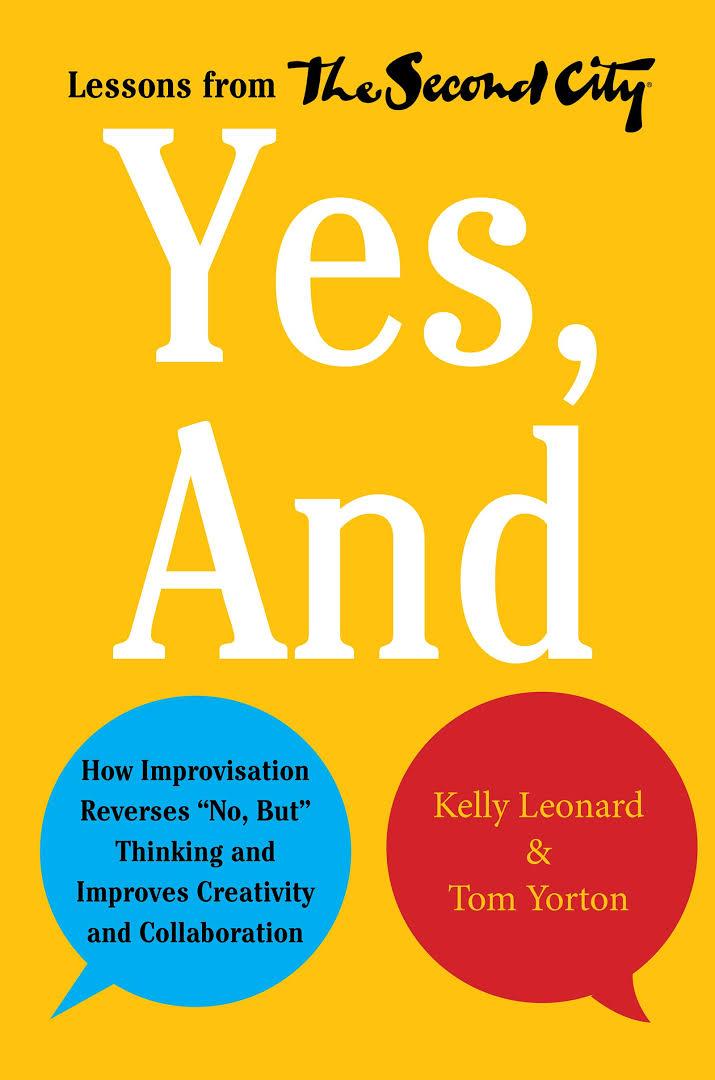
Yes, And
How Improvisation Reverses No, But Thinking and Improves Creativity and Collaboration
Kelly Leonard; Tom Yorton
The Actor's Book of Improvisation
Sandra Caruso; Paul Clemens
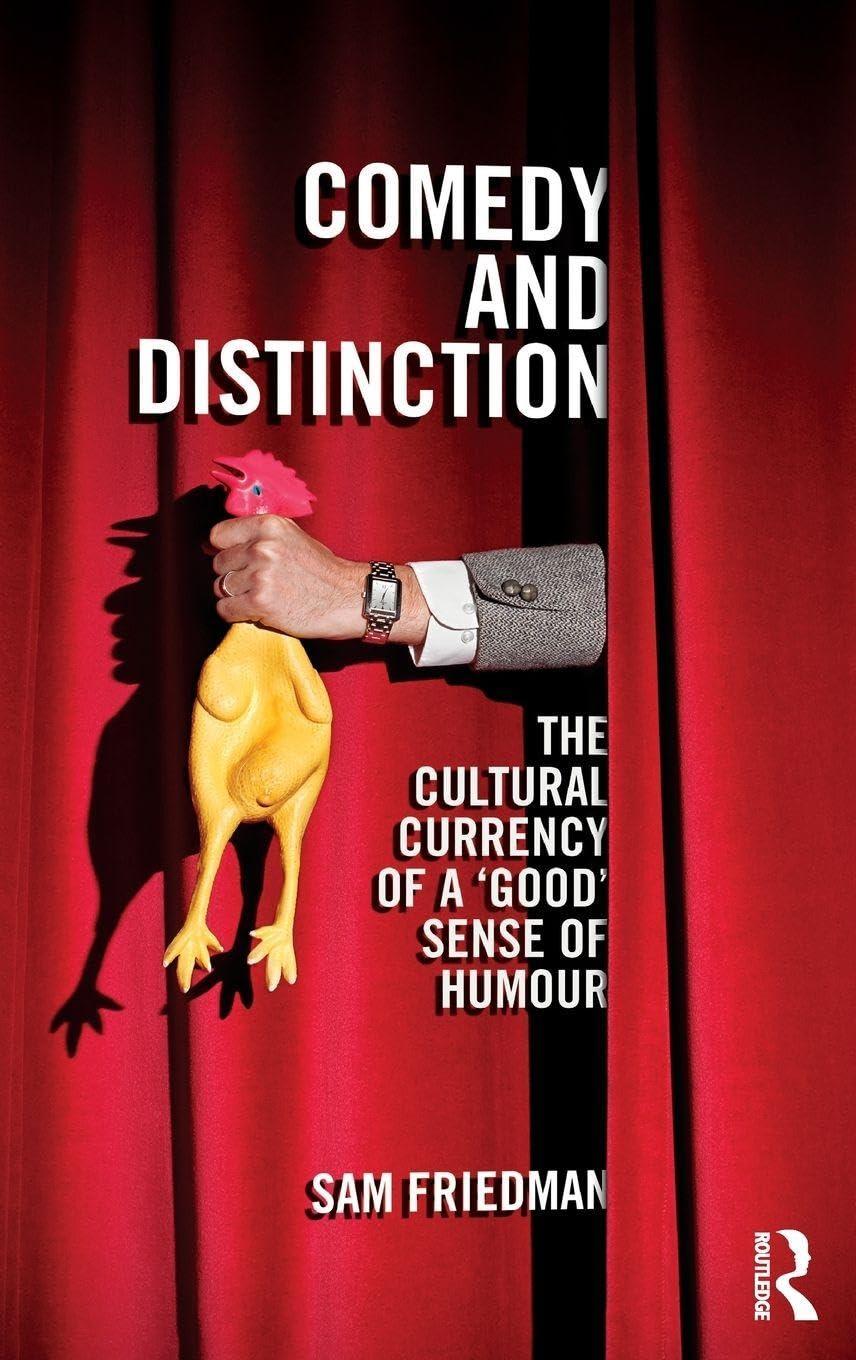
Comedy and Distinction
The Cultural Currency of a 'Good' Sense of Humour
Sam Friedman

Legislative Theatre
Using Performance to Make Politics
Augusto Boal

Devising Performance
A Critical History
Deirdre Heddon; Jane Milling

The Young Actor's Book of Improvisation
Dramatic Situations
Sandra Caruso; Susan Kosoff
Related Exercises
Mantra
Mantra is a vocal and mental exercise in which performers select and repeat a single word or short phrase, gradually shifting its rhythm, volume, pitch, and emotional intensity. The repetition strips away self-consciousness and helps players discover how meaning transforms through delivery alone. The same word spoken softly becomes a prayer; spoken forcefully becomes a command; spoken rapidly becomes a plea. Mantra prepares performers for emotionally committed scene work by building comfort with vocal extremes and sustained focus. The exercise draws on meditation practices adapted for theatrical training.
Action Syllables
Action Syllables is an exercise in which players pair a distinct physical movement with each syllable of a word or phrase. The activity connects vocal rhythm to full-body expression and breaks habitual patterns of stillness during speech. It builds awareness of how physicality and language reinforce each other onstage.
Move On
Move On is a scene exercise in which a facilitator calls out the directive to prompt performers to abandon their current scene beat and transition immediately to a new choice. The call forces performers to leave comfortable territory and advance the scene rather than circling the same material. The exercise builds editorial instincts about when a moment has been fully explored and trains the habit of moving forward rather than sideways. It develops the internal sense of pacing that distinguishes dynamic scene work from repetitive scene work.
Shared Holiday
Shared Holiday is a scene exercise in which performers play characters experiencing a holiday or special occasion together, using the emotional weight of the event to drive the drama. The shared context provides built-in stakes and expectations that scenes can conform to or subvert. The exercise teaches players to use cultural rituals as rich launching pads for character work.
Lcd
LCD (Lowest Common Denominator) is a scene exercise in which performers practice finding the simplest, most universal emotional truth in a scene rather than reaching for clever or complicated choices. The exercise trains the instinct to ground scenes in recognizable human experience. It rewards simplicity over sophistication.
How to Reference This Page
The Improv Archive. (2026). Rituals. Retrieved March 17, 2026, from https://improvarchive.org/exercises/rituals
The Improv Archive. "Rituals." The Improv Archive, 2026. https://improvarchive.org/exercises/rituals.
The Improv Archive. "Rituals." The Improv Archive, 2026, https://improvarchive.org/exercises/rituals. Accessed March 17, 2026.
The Improv Archive is a systemically maintained repository. The archive itself acts as the corporate author.