Story to a Chair
Story to a Chair is a monologue exercise in which a performer tells a story or delivers a scene directed at an empty chair representing an absent character or audience. The exercise builds the skill of sustaining solo performance and teaches players to project emotion and intention toward a fixed point.
Worth Reading
See all books →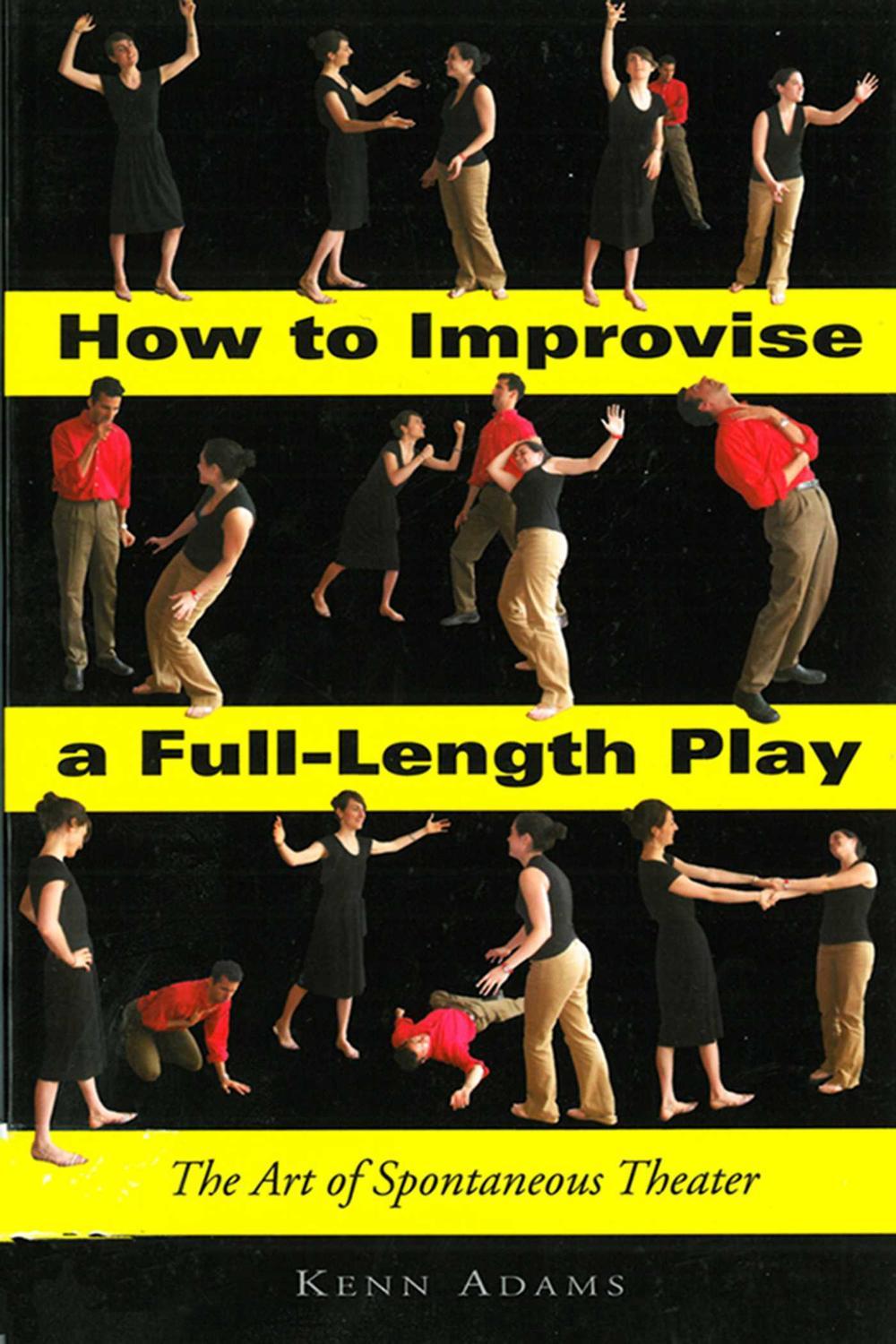
How to Improvise a Full-Length Play
The Art of Spontaneous Theater
Kenn Adams

Business Improv
Experiential Learning Exercises to Train Employees
Val Gee

The Ultimate Improv Book
A Complete Guide to Comedy Improvisation
Edward J. Nevraumont; Kurt Smeaton; Nicholas P. Hanson

The Comedy Improv Handbook
A Comprehensive Guide to University Improvisational Comedy
Matt Fotis; Siobhan O'Hara

The Improv Mindset
How to Make Improvisation Your Superpower for Success
Keith Saltojanes
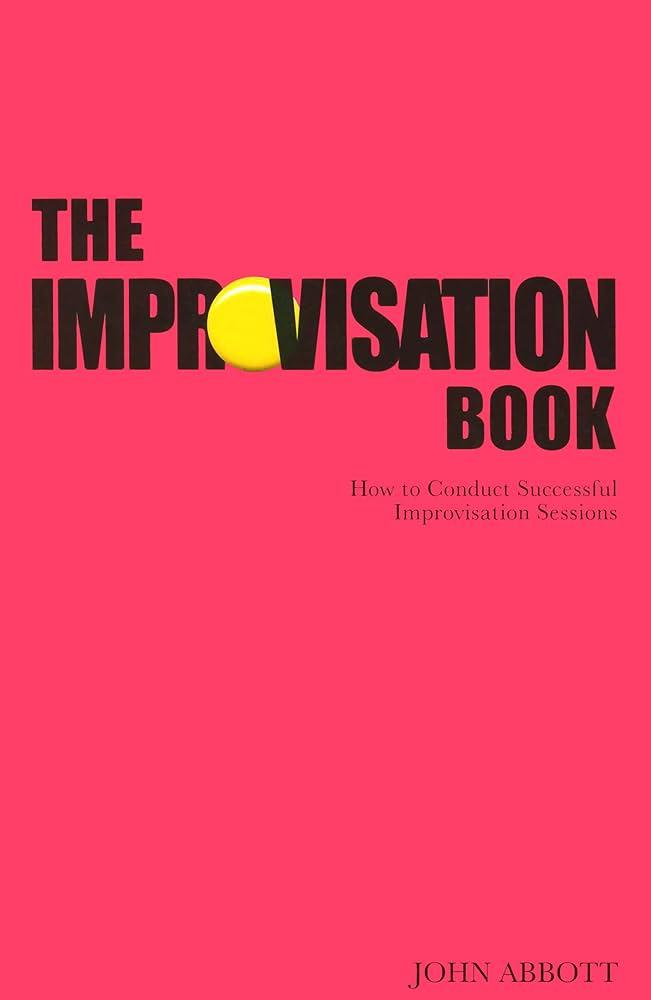
The Improvisation Book
How to Conduct Successful Improvisation Sessions
John S.C. Abbott
Related Exercises
Communal Monologue
Communal Monologue is an exercise in which multiple performers deliver a single monologue together, trading off mid-sentence or mid-thought without any performer beginning a new idea. Each speaker must continue seamlessly from where the last one stopped, maintaining the same voice, tone, and thought. The exercise trains verbal listening, agreement, and the construction of a collective voice.
Dada Monologue
Dada Monologue is an exercise in which a performer delivers a monologue composed of seemingly random, disconnected words and images in the spirit of the Dada art movement. The exercise frees performers from the pressure to make logical sense and trains the audience to find meaning in unexpected juxtapositions. It builds confidence in committing to material without understanding where it leads.
Solitaire
Solitaire is a solo performance exercise in which a single performer improvises a complete scene or monologue without any scene partners. The player must populate the world with implied characters, environment, and narrative through their own voice and physicality alone. The exercise develops self-reliance, strong point of view, and the ability to sustain audience engagement independently.
Character Monologue
Character Monologue is an exercise in which a performer delivers an extended solo speech in character, speaking directly to the audience or to the ensemble. The sustained solo performance builds stamina, character depth, and the ability to hold attention without scene support from other players. Character Monologue develops the skill of generating detailed, specific character voices and perspectives under the pressure of uninterrupted stage time. The exercise serves as a core training tool for monologue-based long-form formats such as The Armando, where monologues function as the engine that generates scene material for the rest of the ensemble.
Spoken Thoughts
Spoken Thoughts is a scene exercise in which a facilitator or fellow player periodically taps a performer on the shoulder, prompting them to speak their character's inner monologue aloud before resuming the scene. The technique reveals the gap between what characters say and what they think. The exercise builds subtext awareness and emotional depth.
Surprise Movement
Surprise Movement is an exercise in which performers interrupt their own scenes or monologues with sudden, unexpected physical choices and must justify them within the scene. The exercise breaks habitual movement patterns and teaches players that physical surprises can open new scene directions.
How to Reference This Page
The Improv Archive. (2026). Story to a Chair. Retrieved March 17, 2026, from https://improvarchive.org/exercises/story-to-a-chair
The Improv Archive. "Story to a Chair." The Improv Archive, 2026. https://improvarchive.org/exercises/story-to-a-chair.
The Improv Archive. "Story to a Chair." The Improv Archive, 2026, https://improvarchive.org/exercises/story-to-a-chair. Accessed March 17, 2026.
The Improv Archive is a systemically maintained repository. The archive itself acts as the corporate author.