Touch to Talk
Touch to Talk is a scene exercise in which performers may only speak while physically touching another player or an object in the environment. The constraint forces players to make physical contact meaningful and teaches the connection between physical engagement and verbal expression.
Worth Reading
See all books →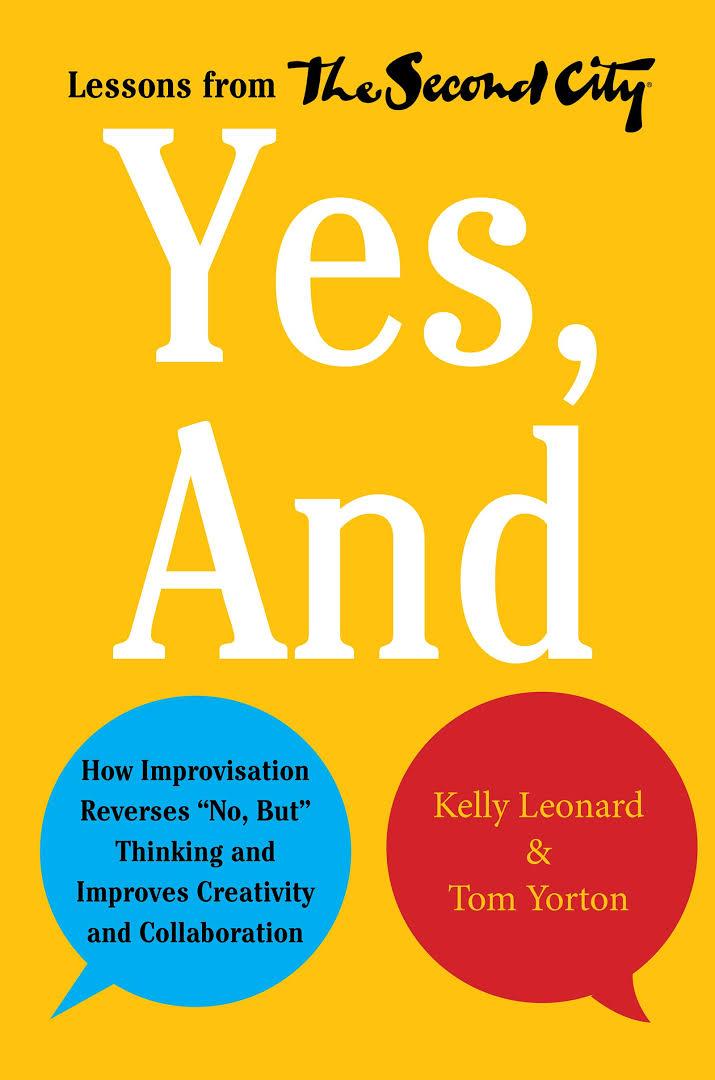
Yes, And
How Improvisation Reverses No, But Thinking and Improves Creativity and Collaboration
Kelly Leonard; Tom Yorton

Business Improv
Experiential Learning Exercises to Train Employees
Val Gee

The Improv Mindset
How to Make Improvisation Your Superpower for Success
Keith Saltojanes

The Comedy Improv Handbook
A Comprehensive Guide to University Improvisational Comedy
Matt Fotis; Siobhan O'Hara
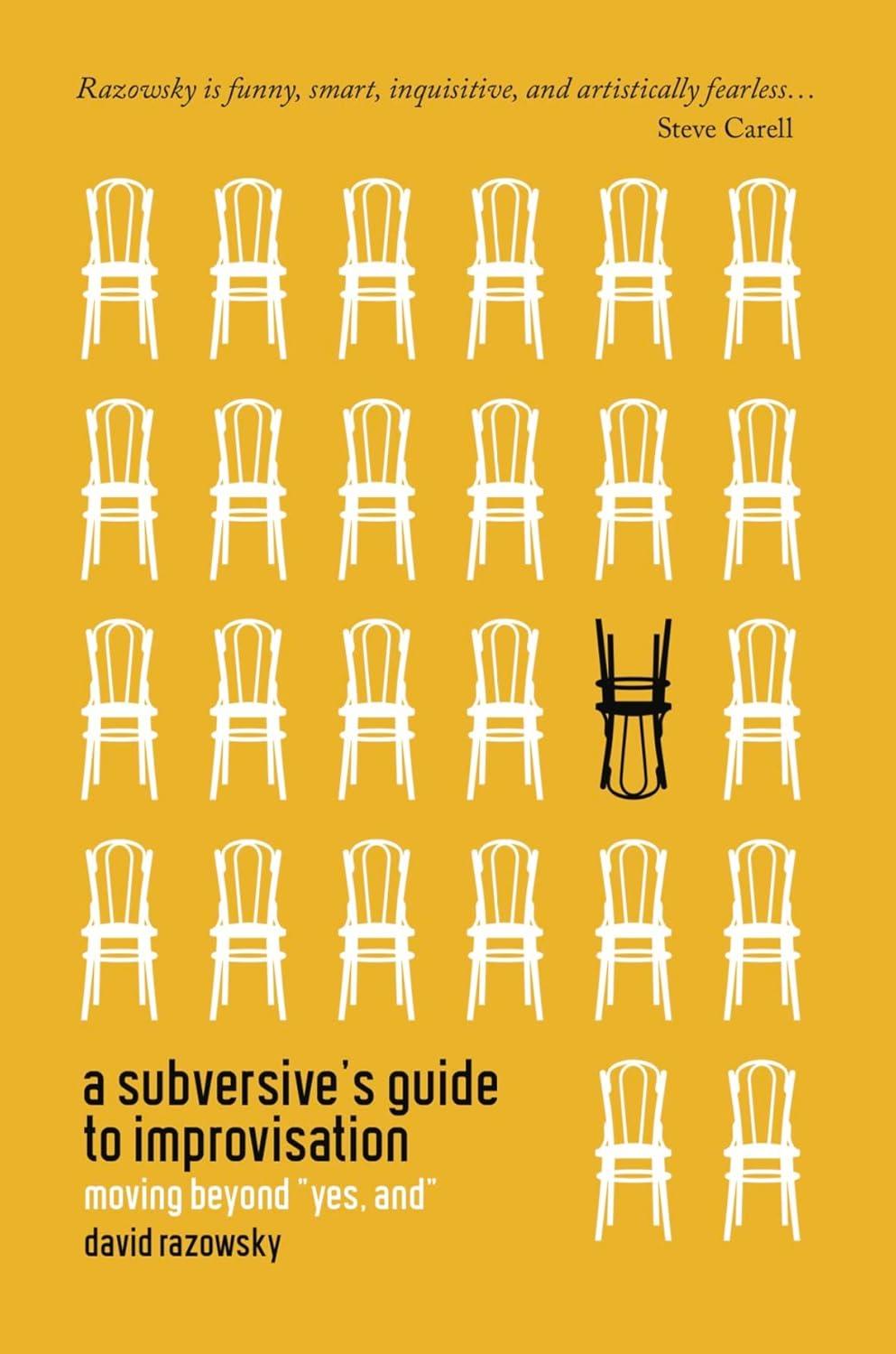
A Subversive's Guide to Improvisation
Moving Beyond "Yes, and"
David Razowsky

The Ultimate Improv Book
A Complete Guide to Comedy Improvisation
Edward J. Nevraumont; Kurt Smeaton; Nicholas P. Hanson
Related Exercises
New Object to Talk
New Object to Talk is a warm-up exercise in which a player picks up or mimes a new object each time they wish to speak. The constraint forces performers to justify constant physical activity while maintaining conversational coherence. The exercise trains object work skills and teaches players to integrate physicality with dialogue.
Touch and Go
Touch and Go is an exercise in which performers must physically touch an object or part of the environment before speaking, grounding every line of dialogue in a specific physical action. The constraint connects speech to physicality and teaches players to inhabit their environment rather than standing and talking.
Eye to Eye
Eye to Eye is a connection exercise in which pairs of players maintain sustained eye contact while performing various tasks or simply standing still. The exercise builds comfort with direct human connection and the vulnerability of being truly seen. It develops the focused attention that strong scene partnerships require.
One Line Scene
One Line Scene is an exercise in which two performers play an entire scene using only a single line of dialogue each. The constraint forces players to communicate through subtext, physicality, and emotional weight rather than verbal exposition. The exercise demonstrates how little language is needed to establish a compelling relationship or situation.
Scene to Music
Scene to Music is an exercise in which performers improvise a scene while a musician or recorded soundtrack plays underneath, allowing the music to influence the mood, pacing, and emotional trajectory of the action. Players learn to follow musical cues and let external rhythm shape their choices. The exercise builds sensitivity to nonverbal emotional signals.
Back to Back
Back to Back is a trust and connection exercise in which two players sit or stand with their backs pressed together and work together on a physical or verbal task without the benefit of eye contact. Common tasks include standing up simultaneously from a seated position, telling a collaborative story, or mirroring each other's movements through physical pressure alone. The absence of visual cues forces participants to communicate through weight, pressure, breath, and vocal tone, developing a physical listening channel that operates independently of sight. The exercise appears across multiple performance traditions, from Augusto Boal's Games for Actors and Non-Actors to John Abbott's The Improvisation Book, and is one of the most widely used partner exercises in both improv training and applied improvisation settings.
How to Reference This Page
The Improv Archive. (2026). Touch to Talk. Retrieved March 17, 2026, from https://improvarchive.org/exercises/touch-to-talk
The Improv Archive. "Touch to Talk." The Improv Archive, 2026. https://improvarchive.org/exercises/touch-to-talk.
The Improv Archive. "Touch to Talk." The Improv Archive, 2026, https://improvarchive.org/exercises/touch-to-talk. Accessed March 17, 2026.
The Improv Archive is a systemically maintained repository. The archive itself acts as the corporate author.