What's in a Name?
What's in a Name is an exercise in which players explore the character associations embedded in different names, using a given name as a springboard for character creation. The exercise demonstrates how a name alone can suggest age, background, personality, and social class. It trains rapid character generation from minimal input.
Worth Reading
See all books →
Improvisations in Creative Drama
A Program of Workshops
Betty Keller
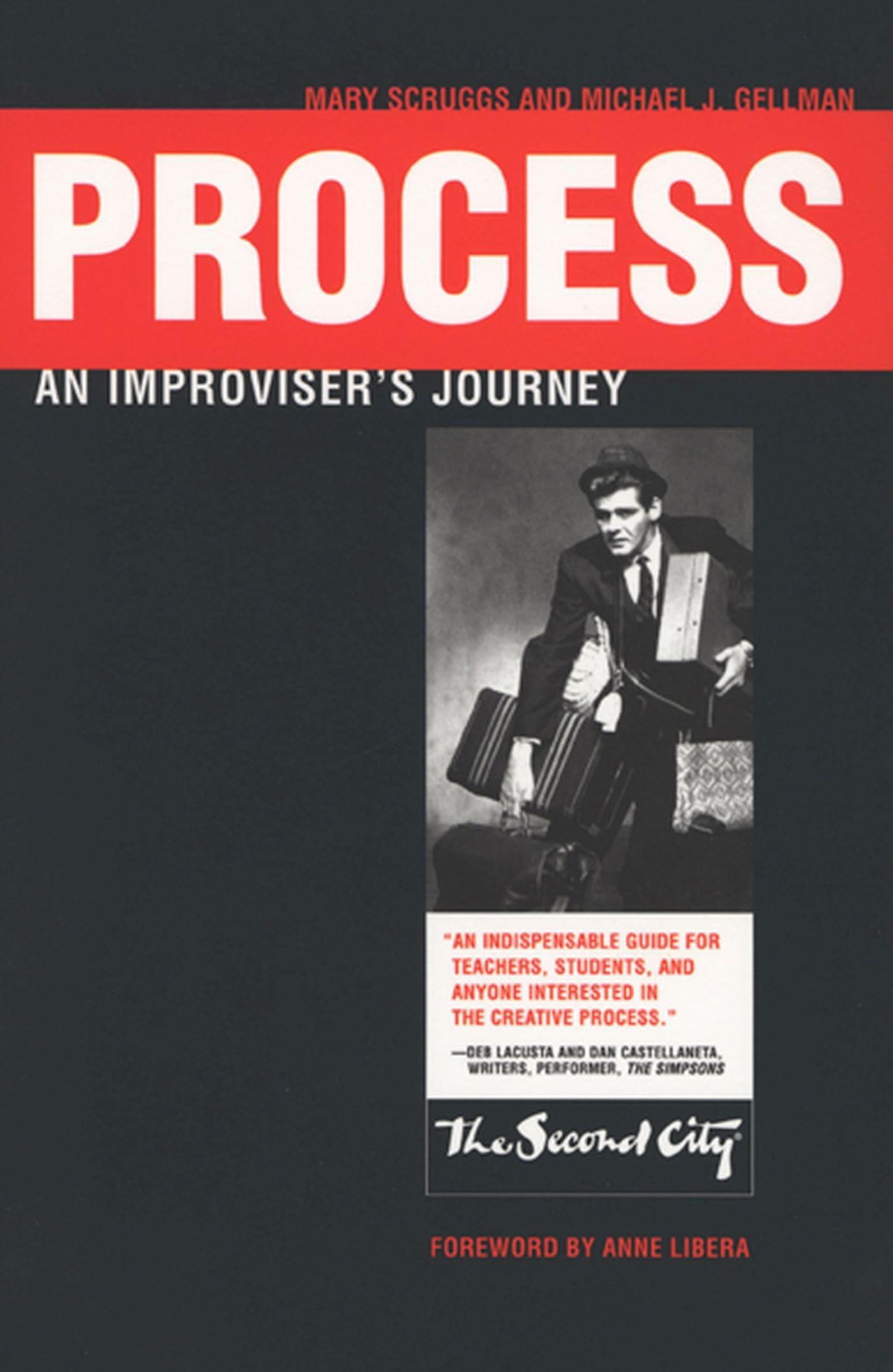
Process: An Improviser's Journey
Mary Scruggs; Michael J. Gellman

You Can Teach Improv (Yes, You!)
The Ultimate Guide to Class Planning, Skill Building, and Helping Every Student Leave With a Win
Andrew Berkowitz

Improv Ideas
A Book of Games and Lists
Mary Ann Kelley; Justine Jones

Improvising Real Life
Personal Story in Playback Theatre
Jo Salas

The Improv Illusionist
Using Object Work, Environment, and Physicality in Performance
David Raitt
Related Exercises
Introducing Association
Introducing Association is a name-learning exercise that combines self-introduction with word association. Each player introduces themselves by name and adds a word, image, or gesture that they associate with their name. Subsequent players repeat all previous names and associations before adding their own. The exercise simultaneously learns names and warms up the associative thinking required for improvisation, building memory through the concrete links that association provides.
What Would She Be If
What Would She Be If is a character-building exercise in which the group describes what a character would be if they were a color, an animal, a type of weather, a piece of music, or other metaphorical categories. The associations build a rich, multidimensional character portrait through lateral thinking. The exercise teaches players to develop characters through sense and metaphor rather than biography.
This Is Jane
This Is Jane is a name-learning exercise in which players introduce each other to the group using a specific phrase and gesture. The structured format ensures every name is spoken aloud multiple times by different people. The exercise builds ensemble familiarity and establishes a supportive group dynamic.
Name Game
Name Game is a warm-up exercise in which players learn and reinforce each other's names through a structured pattern of call-and-response, rhythmic chanting, or physical gestures. Each player's name is paired with a movement, an alliterative adjective, or a rhythmic pattern that makes the name memorable and the learning process active. The exercise is a staple opening activity for new groups and builds the ensemble familiarity that supports strong scene work. Knowing every player's name and having a physical memory associated with it creates the foundation for personal connection within the group.
Alliteration Introduction
Alliteration Introduction is a name-learning exercise in which each player introduces themselves with an alliterative adjective preceding their name. The pairing of adjective and name creates a mnemonic that helps the group remember each other. It is a standard icebreaker for new ensembles and workshop groups.
Mantra Introduction
Mantra Introduction is a warm-up and self-expression exercise in which each participant introduces themselves to the group through a personal mantra -- a single phrase, statement, or declaration that captures something essential about how they approach their work, their life, or this moment. The exercise trains concise self-expression, commitment to a distilled personal statement, and the willingness to share something genuine with a group rather than a professional title or role summary.
How to Reference This Page
The Improv Archive. (2026). What's in a Name?. Retrieved March 17, 2026, from https://improvarchive.org/exercises/whats-in-a-name
The Improv Archive. "What's in a Name?." The Improv Archive, 2026. https://improvarchive.org/exercises/whats-in-a-name.
The Improv Archive. "What's in a Name?." The Improv Archive, 2026, https://improvarchive.org/exercises/whats-in-a-name. Accessed March 17, 2026.
The Improv Archive is a systemically maintained repository. The archive itself acts as the corporate author.