Believe It or Not
Believe It or Not is a storytelling game in which one player tells a story that is either true or entirely invented, and the audience or fellow players must determine which. The storyteller delivers the narrative with equal conviction regardless of its veracity, making the game a test of performance commitment and audience perception. The game rewards detailed, specific delivery and the ability to sell a narrative through confidence, body language, and emotional authenticity. For audiences and fellow players, the game sharpens critical listening and observation. Believe It or Not functions as both a performance game and a training exercise, building skills in storytelling, character conviction, and the relationship between truth and believability in performance.
Structure
One player stands before the group or audience. The player decides privately whether they will tell a true personal story or invent a fictional one. In some versions, the facilitator or a card determines whether the story must be true or false.
The storyteller delivers a two-to-four-minute narrative, committing fully to the story's reality regardless of whether it actually happened. True stories should be told without the hedging or self-deprecation that often accompanies personal anecdotes. Invented stories should include the specific sensory details, emotional reactions, and unexpected turns that characterize genuine experience.
After the story concludes, the audience or group votes on whether the story was true or invented. The storyteller then reveals the answer. In some performance versions, the host tallies correct guesses and a running score is maintained.
The game can be played with multiple storytellers in rotation, with each player telling one story per round. Some versions feature a panel format where three players each tell a story about the same topic, with only one story being true and the audience guessing which storyteller is being honest.
The game concludes after each player has told a story or after a set number of rounds.
How to Teach It
How to Explain It
"One player tells a story. It is either completely true or completely invented. Everyone else listens. At the end, you decide: true or not? The storyteller commits to the story whether it happened or not."
Believe It or Not is an effective exercise for developing several performance skills simultaneously: storytelling structure, physical conviction, and the performer's relationship to truth.
Coach storytellers to find stories (both true and invented) that contain at least one surprising or counterintuitive element. A completely ordinary story is difficult for the audience to evaluate and makes for unengaging viewing. A story with one unusual turn gives the audience something to analyze.
For invented stories, coach performers to build from a foundation of truth. Starting with a real setting, real people, or a real emotional situation and then diverging into fiction produces more convincing invented stories than building entirely from imagination.
For true stories, coach performers to resist the urge to undersell. Many performers unconsciously signal "this is true" through apologetic delivery or excessive qualifiers. The exercise teaches that truth told with confidence is more engaging than truth told with hedging.
A common failure mode occurs when the audience focuses on catching the performer in logical inconsistencies rather than enjoying the stories. Remind the audience that the game is about the quality of the telling, not about becoming human lie detectors.
The exercise is particularly useful for performers preparing for monologue-based formats like the Armando, where the ability to tell engaging true stories under performance pressure is essential.
How to Perform It
The game works with any number of performers, though the panel format with three storytellers is the strongest performance version because it gives the audience multiple narratives to compare.
The key performance skill is commitment to specificity. Both true and invented stories succeed or fail based on the density of concrete detail. A storyteller who says "the group went to a restaurant" is less convincing than one who says "the group went to this Italian place on Elm Street with the red checkered tablecloths." Specificity signals truthfulness to an audience, so the invented stories must match the detail level of the true ones.
Body language and vocal delivery are as important as the story's content. Audiences unconsciously read physical comfort, eye contact patterns, and pacing for signs of deception. Performers telling invented stories must maintain the same physical ease as when telling true ones.
The game produces its best comedy in the reveal. When an audience confidently votes that a wild story is invented and the storyteller reveals it was true, or when a mundane story turns out to be fabricated, the surprise generates strong reactions. Storytellers who understand this dynamic choose stories that play against expectations.
Worth Reading
See all books →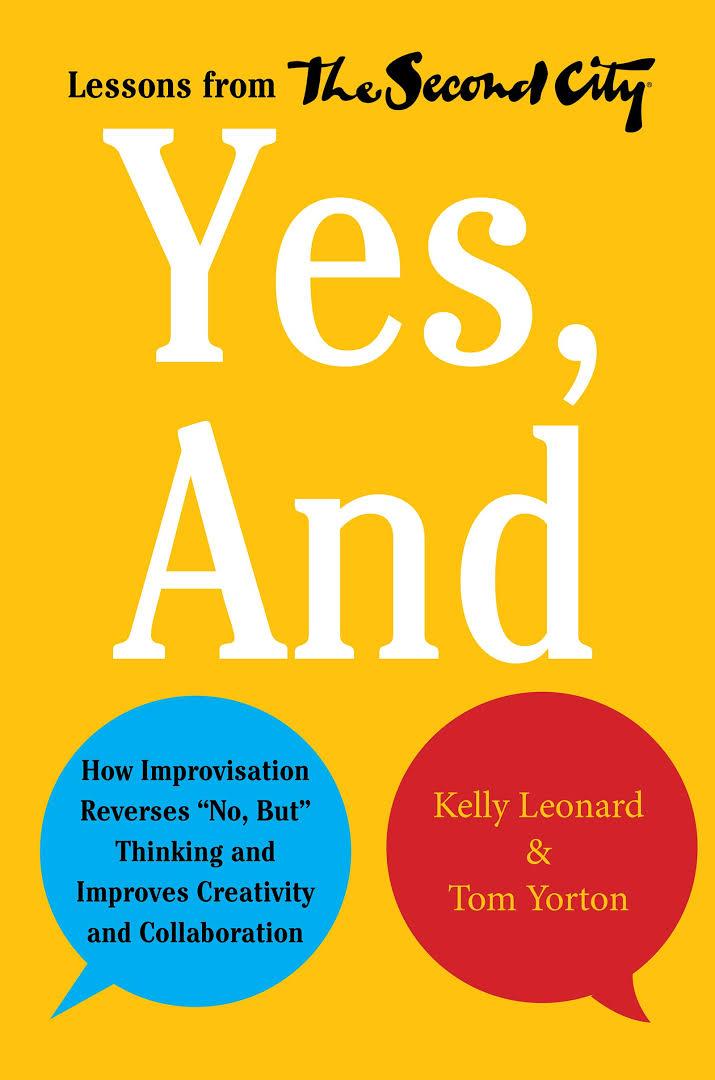
Yes, And
How Improvisation Reverses No, But Thinking and Improves Creativity and Collaboration
Kelly Leonard; Tom Yorton

Brain Disruption
Radical Innovation in Business Through Improv
Bruce Montgomery; Gail Montgomery

Something Wonderful Right Away
An Oral History of The Second City and The Compass Players
Jeffrey Sweet

Acting Through Improv
Improv Through Theatresports
Lynda Belt; Rebecca Stockley

When I Say This, Do You Mean That?
Enhancing Communication
Cherie Kerr; Julia Sweeney

Improve
How I Discovered Improv Comedy and Conquered Social Anxiety
Alex Graudins
Related Games
Story Time
Story Time is a collaborative storytelling game in which performers take turns contributing to a shared narrative, each picking up exactly where the previous teller left off. The story may pass on a word, a sentence, or at the tap of a facilitator. The game trains narrative listening and the discipline of serving the story rather than steering it.
Tell the Truth
Tell the Truth is a game in which a small group of performers privately construct a mix of true personal stories and invented ones, then present them all as true while observers attempt to identify which account is genuine. The game teaches that specificity and conviction make any story believable, and that the most implausible-sounding detail is often the true one. It develops honest performance and the actor's capacity to fully inhabit invented material.
My Vacation
My Vacation is a storytelling game in which a performer recounts an imaginary holiday using audience suggestions for destinations, mishaps, and encounters. The storyteller must weave each new detail into a coherent and entertaining narrative. The game exercises spontaneous narrative construction and audience interaction.
Glamour Story
Glamour Story is a storytelling game in which performers narrate and act out a story with exaggerated elegance, sophistication, or dramatic flair. The heightened style transforms mundane content into something theatrical and entertaining. The game builds confidence in bold delivery and trains the ability to elevate any material through commitment to tone.
Bedtime Story
Bedtime Story is a collaborative storytelling game in which performers narrate and act out a children's story for the audience in real time. One player typically serves as the narrator (often playing a parent putting a child to bed) while the ensemble acts out the story as it unfolds. The innocent format creates natural comedy as adult improvisers navigate the demands of maintaining a child-appropriate narrative while following their creative impulses and each other's offers. The game rewards playful narrative instincts, ensemble coordination, and the ability to balance sweetness with surprise. Bedtime Story works well as both a performance game and a family-friendly show closer.
How to Reference This Page
The Improv Archive. (2026). Believe It or Not. Retrieved March 17, 2026, from https://improvarchive.org/games/believe-it-or-not
The Improv Archive. "Believe It or Not." The Improv Archive, 2026. https://improvarchive.org/games/believe-it-or-not.
The Improv Archive. "Believe It or Not." The Improv Archive, 2026, https://improvarchive.org/games/believe-it-or-not. Accessed March 17, 2026.
The Improv Archive is a systemically maintained repository. The archive itself acts as the corporate author.