Mega Replay
Mega Replay is a short-form game in which a scene or series of scenes is replayed multiple times, each time in a dramatically different style, genre, or emotional register. The game demonstrates the ensemble's range and versatility by showing the same material transformed across radically different theatrical and comedic conventions -- from opera to thriller, from silent film to children's television -- rewarding specificity of style and the audience's recognition of each new frame.
Structure
Setup
The ensemble plays an initial scene from a suggestion. The scene is short -- two to four minutes -- and establishes a clear story, set of characters, and key moments that will anchor all subsequent replays.
Progression
The host asks the audience for a style, genre, or format. The ensemble immediately replays the original scene's key events in the specified style -- adapting character, dialogue, staging, and physical behavior to match the new register while preserving the recognizable story beats.
The host may call several replay styles in sequence, each lasting one to two minutes. Speed, commitment, and specificity of style transformation are the primary performance values.
Ending
The game ends after a satisfying number of replay styles -- typically three to five -- or when the ensemble has demonstrated a compelling range of stylistic range.
How to Teach It
Objectives
Mega Replay trains stylistic range, the ability to transform a known story through genre and convention, and the speed of ensemble alignment across a style shift. It rewards theatrical literacy -- knowing what makes opera different from noir, what makes children's television different from medical drama -- and translates that knowledge into physical, vocal, and behavioral performance.
How to Explain It
"The story stays the same -- the characters, the key moments. Everything else transforms. When I call the style, you all shift immediately. Trust that everyone knows what you know: what that style looks, sounds, and moves like. Commit to the style completely and the story will take care of itself."
Scaffolding
Practice a range of common replay styles (opera, silent film, horror, soap opera) in isolation before combining them in the full game. The more fluency performers have with individual styles, the faster and more committed their transformations will be.
Common Pitfalls
Performers often replicate a genre's surface markers (an opera voice, a horror-film stare) without fully inhabiting the style's physical and emotional register. Coach the group toward a complete stylistic transformation -- not a costume overlay but a genuine change in how the characters experience and inhabit their world.
How to Perform It
Audience Intro
"We're going to play a scene for you, and then replay it over and over in completely different styles. Tell us what the scene is about first -- and then shout out the styles you want to see."
Cast Size
Ideal: 4 to 6 performers, allowing full ensemble flexibility across style transformations.
Staging
Open stage. The replay format demands quick, clean style transitions -- performers must shift immediately when the host calls the new style without staging negotiation.
Wrap-Up Logic
End after the strongest replay style, or after three to five replays if all styles have been played with full commitment. The game has a natural energy ceiling; end before the replays begin to feel repetitive.
Worth Reading
See all books →
Acting Through Improv
Improv Through Theatresports
Lynda Belt; Rebecca Stockley

Group Improvisation
The Manual of Ensemble Improv Games
Peter Campbell Gwinn; Charna Halpern

Pirate Robot Ninja
An Improv Fable
Billy Merritt; Will Hines
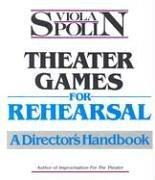
Theater Games for Rehearsal
Viola Spolin
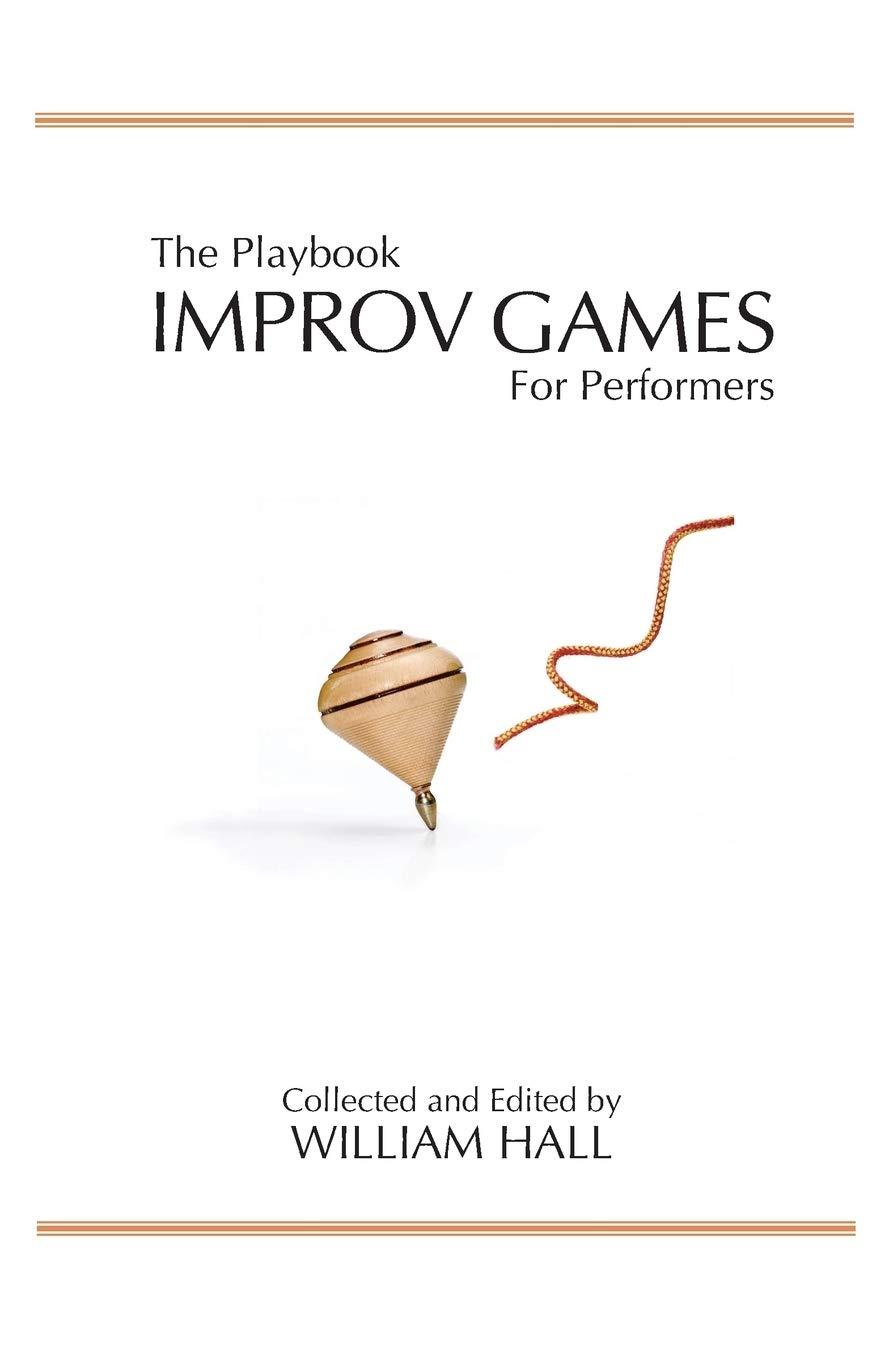
The Playbook
Improv Games for Performers
William Hall

Improvisation
Use What You Know, Make Up What You Don't
Brad Newton
Related Games
The Re-Run
The Re-Run is a short-form game in which a scene is performed once and then replayed with a specific modification such as a genre change, time compression, or emotional shift. The replay reveals how the same material transforms under different conditions. The game rewards precise scene memory and creative adaptation.
Style Replay
Style Replay is a short-form game in which a scene is performed once, then replayed in a series of audience-suggested styles, genres, or artistic movements. Each replay transforms the same content through a different lens. The game rewards strong stylistic knowledge, physical versatility, and the ability to maintain the original scene's structure while changing its presentation entirely.
Scene Replay
Scene Replay is a short-form game in which a scene is performed and then replayed with a significant modification such as a genre change, emotional shift, or time constraint. The audience enjoys comparing the original to the transformed version. The game rewards strong recall of the original scene and inventive application of the new constraint.
Half Life
Half Life is a short-form game in which a scene is performed at full length, then replayed at half the time, then half again, compressing until the entire scene fits into a few seconds. Each repetition forces performers to identify and retain only the essential beats. The game reveals the core of a scene by stripping away everything nonessential.
Déjà Vu
Deja Vu is a scene game in which a specific line or action triggers an exact replay of a previous moment in the scene. The repetition creates a comic loop that intensifies with each recurrence. The game trains precise recall and the ability to recreate physical and vocal choices exactly.
Director's Cut
Director's Cut is a short-form game in which a scene is performed, then a "director" calls for it to be replayed in a different genre, style, or with specific adjustments. Each replay transforms the same core scene through a new lens. The game rewards genre awareness and the ability to reinterpret familiar material.
How to Reference This Page
The Improv Archive. (2026). Mega Replay. Retrieved March 17, 2026, from https://improvarchive.org/games/mega-replay
The Improv Archive. "Mega Replay." The Improv Archive, 2026. https://improvarchive.org/games/mega-replay.
The Improv Archive. "Mega Replay." The Improv Archive, 2026, https://improvarchive.org/games/mega-replay. Accessed March 17, 2026.
The Improv Archive is a systemically maintained repository. The archive itself acts as the corporate author.