Melodrama
Melodrama is a genre game in which performers play a scene in the style of exaggerated theatrical melodrama, complete with a twirling villain, a noble hero, and a character in peril. The audience is encouraged to cheer the hero and boo the villain, creating an interactive performance dynamic. The game trains performers in broad physical and vocal choices, rewards full commitment to heightened emotional stakes, and demonstrates how genre conventions provide a shared framework that simplifies scene construction while amplifying entertainment value.
Structure
The audience suggests a conflict, a location, or a villain's scheme. The ensemble assigns melodrama roles: the villain (who schemes and gloats), the hero (who is brave and earnest), the innocent in danger (who needs rescuing), and supporting characters as needed.
The scene begins with the villain establishing a dastardly plan. The villain addresses the audience directly, reveling in wickedness. The audience boos. The hero enters, declaring noble intentions. The audience cheers. The scene follows the classic melodrama arc: the villain's scheme threatens the innocent, the hero arrives too late to prevent the first crisis, and the final confrontation resolves with good triumphing over evil.
Physical and vocal choices are deliberately oversized. The villain twirls an imaginary mustache, cackles, and speaks in grandiloquent asides. The hero stands with hands on hips and speaks in declarative sentences. The innocent wrings hands and gasps. Every emotion is played at maximum volume.
The audience's active participation (cheering, booing, warning characters of approaching danger) creates a call-and-response dynamic that distinguishes the game from other genre exercises.
The scene concludes with a resolution that satisfies the genre's moral framework: the villain is defeated, the innocent is rescued, and the hero delivers a closing moral.
How to Teach It
How to Explain It
"You are in a melodrama. No one in a melodrama underplays anything. Every feeling is enormous. Every revelation is catastrophic. Every love is eternal. Every betrayal is unforgivable. Play it with total conviction."
Melodrama is an effective game for performers who underplay. Students who default to subtle, naturalistic choices discover through melodrama that broad physical and vocal commitment produces genuine audience engagement. The game gives permission to be as big, loud, and dramatic as possible.
Coach for clarity of archetype. Each character should be instantly recognizable as villain, hero, or innocent through posture, voice, and behavior alone. A villain who could be mistaken for the hero has failed the genre's most basic requirement.
The game teaches the value of genre conventions as scene-building tools. Performers who understand that melodrama follows a specific arc (scheme, peril, rescue, triumph) learn that genre provides structure for free. This insight transfers to other genre games and to long-form formats that draw on cinematic or theatrical conventions.
Use the game to practice audience interaction skills. Melodrama is one of the few improv formats that actively invites audience vocal participation. Performers who learn to manage and channel audience energy in melodrama develop crowd-reading skills that serve them in all performance contexts.
How to Perform It
The game lives in the performers' commitment to the genre's extremes. A villain who holds back on the villainy or a hero who plays with ironic detachment deflates the game. The genre demands sincere, full-volume engagement with its conventions. The performers must treat the stakes as genuinely dire, even as the audience laughs at the exaggeration.
Audience interaction is the game's distinguishing feature. Performers should actively encourage the audience to participate: pausing for boos, cueing cheers, and breaking the fourth wall to build complicity. A melodrama played without audience engagement is a loud scene. A melodrama played with audience engagement is an interactive event.
Physical staging matters. Melodrama uses the full stage: the villain enters from one side, the hero from the other. Characters position themselves in tableaux that communicate the power dynamics visually. The genre's visual language is as important as its verbal excess.
The game benefits from musical accompaniment. A pianist or sound designer who provides dramatic stings, villain themes, and heroic fanfares amplifies the genre's emotional register and cues the audience's responses.
Worth Reading
See all books →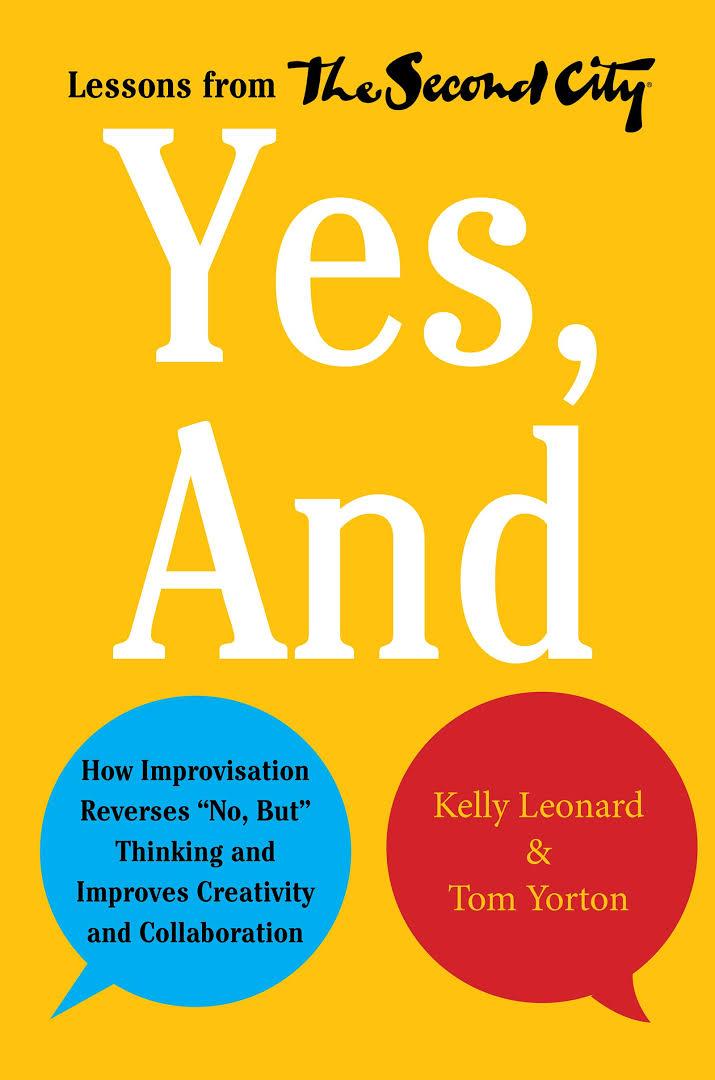
Yes, And
How Improvisation Reverses No, But Thinking and Improves Creativity and Collaboration
Kelly Leonard; Tom Yorton
The Actor's Book of Improvisation
Sandra Caruso; Paul Clemens

Devising Performance
A Critical History
Deirdre Heddon; Jane Milling

The Art of Chicago Improv
Short Cuts to Long-Form Improvisation
Rob Kozlowski
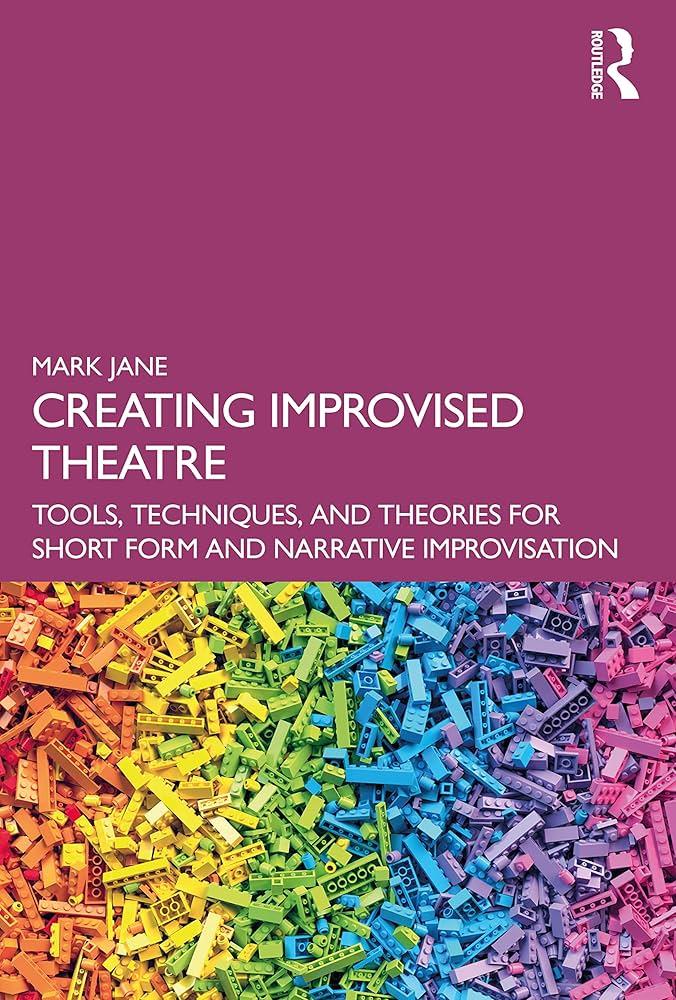
Creating Improvised Theatre
Tools, Techniques, and Theories
Mark Jane
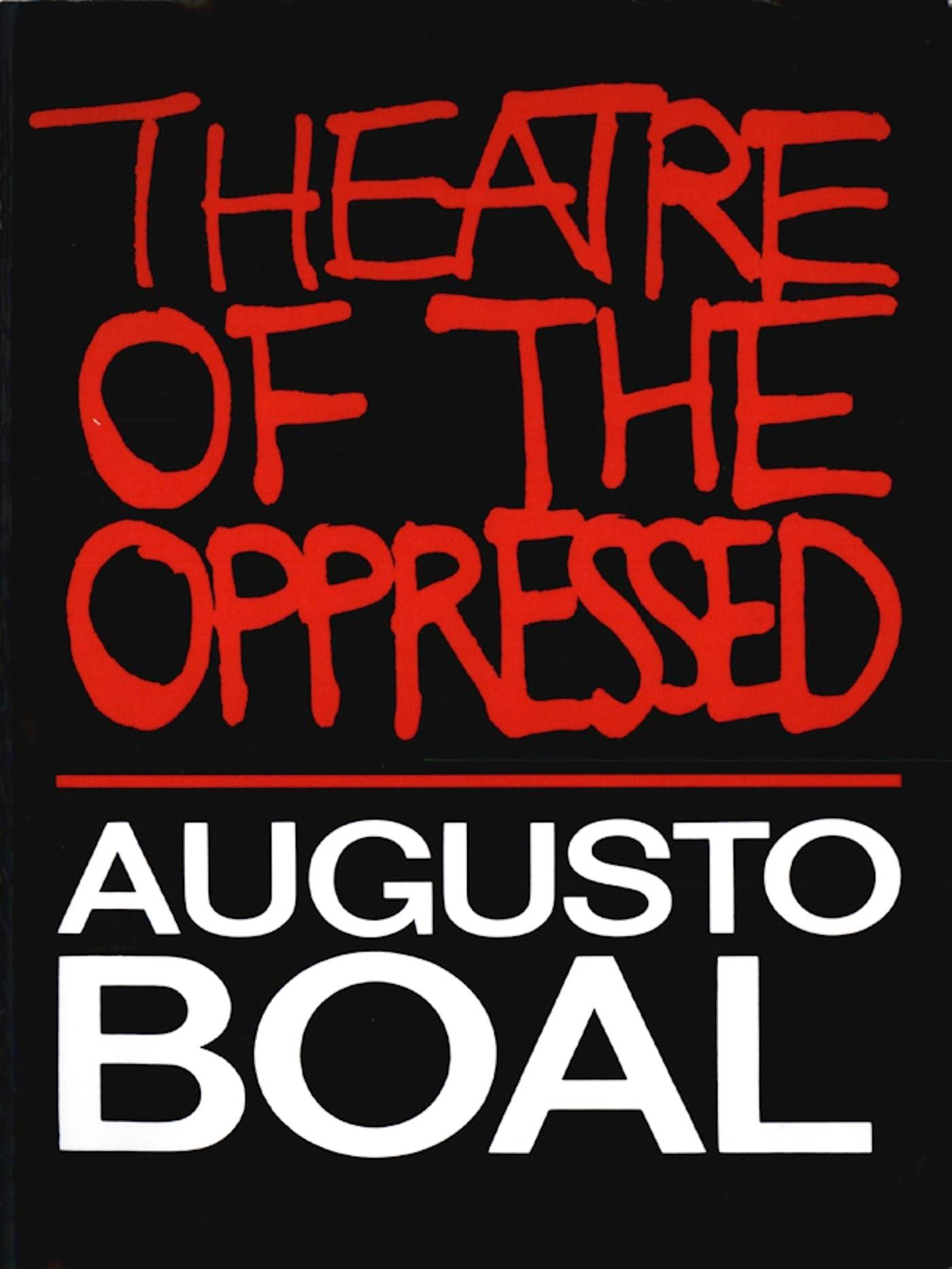
Theatre of the Oppressed
Augusto Boal
Related Games
Disaster Movie
Disaster Movie is a scene game in which performers create a scene in the style of a Hollywood disaster film, complete with escalating catastrophe, heroic speeches, and stock character types. The genre's built-in heightening provides a strong comedic engine. The game rewards melodramatic commitment and ensemble coordination under imagined duress.
Sound Effects
Sound Effects is a short-form game in which one or more players perform a scene while a designated sound-effects player (or audience members) provides live audio: crashes, music, ambient noise, animal sounds, or any sound they choose. The scene players must justify and physically embody whatever they hear. The game trains acceptance of external offers, physical commitment, and real-time narrative adaptation. It appeared as a recurring game on *Whose Line Is It Anyway?*
Soap
Soap is a genre game in which performers improvise a scene in the exaggerated style of a television soap opera, complete with dramatic revelations, love triangles, and overwrought emotional reactions. The game rewards full commitment to the heightened emotional stakes of the genre and a willingness to embrace melodramatic cliches with sincerity.
Mix and Match
Mix and Match is a character and scene game in which performers combine disparate audience-suggested traits, occupations, scenarios, or styles into a single scene. The game takes two or more elements that do not naturally belong together and challenges the performers to find coherent logic within the absurd combination. A brain surgeon with a fear of blood, a cowboy at a ballet class, or a romantic comedy set in a submarine: the game rewards specificity, commitment, and the ability to ground heightened premises in recognizable human behavior.
Arnie
Arnie is a short-form performance game in which players perform scenes, tasks, or physical challenges in the exaggerated style of a well-known action hero or larger-than-life public figure. The game rewards over-the-top commitment to vocal and physical characterisation while still engaging with the scene's given circumstances.
Arpeggio
Arpeggio is a scene game in which multiple performers play aspects of a single character's personality, speaking in rapid succession like notes in a musical chord. The fragmented delivery reveals a character's internal contradictions and complexity. The game produces rich, layered characterization that a single performer could not achieve alone.
How to Reference This Page
The Improv Archive. (2026). Melodrama. Retrieved March 17, 2026, from https://improvarchive.org/games/melodrama
The Improv Archive. "Melodrama." The Improv Archive, 2026. https://improvarchive.org/games/melodrama.
The Improv Archive. "Melodrama." The Improv Archive, 2026, https://improvarchive.org/games/melodrama. Accessed March 17, 2026.
The Improv Archive is a systemically maintained repository. The archive itself acts as the corporate author.