Pet Peeves
Pet Peeves is a short-form game in which performers play scenes built around audience-suggested annoyances or irritations. The characters' pet peeves drive the conflict and provide a built-in source of escalation. The game rewards relatable specificity and the ability to find comedy in shared frustrations.
Worth Reading
See all books →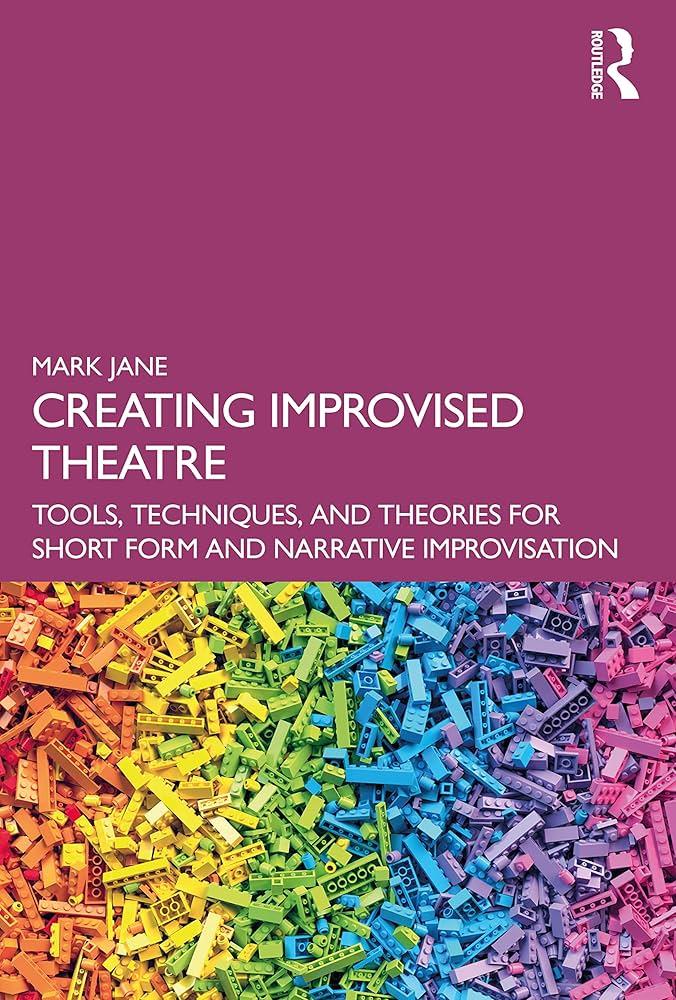
Creating Improvised Theatre
Tools, Techniques, and Theories
Mark Jane

Improv Ideas
A Book of Games and Lists
Mary Ann Kelley; Justine Jones

Whose Improv Is It Anyway?
Beyond Second City
Amy E. Seham

Acting Through Improv
Improv Through Theatresports
Lynda Belt; Rebecca Stockley
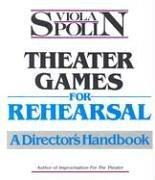
Theater Games for Rehearsal
Viola Spolin

Group Improvisation
The Manual of Ensemble Improv Games
Peter Campbell Gwinn; Charna Halpern
Related Games
Complaint Letter
Complaint Letter is a short-form game in which a performer delivers an increasingly overwrought letter of complaint, often composed from audience suggestions. The letter escalates in specificity, emotional intensity, and absurdity as it progresses, culminating in an outrageous demand. Supporting performers may act out the events described or respond as arbiters of the grievance.
Malapropism
Malapropism is a short-form game in which performers play a scene while deliberately substituting incorrect but similar-sounding words for the intended ones. The audience enjoys the comic confusion that results from the mangled language, while the scene partners must stay committed to the reality of the conversation. The game trains verbal dexterity and the ability to maintain scene logic under an absurd constraint.
Oscar Winning Moment
Oscar Winning Moment is a short-form game in which performers are prompted to deliver their most dramatically intense, emotionally overwrought acting at a specific beat in the scene. The contrast between the ordinary scene context and the sudden burst of award-caliber drama produces the comedy. The game rewards fearless emotional commitment and a sense of theatrical timing.
Dubbed Movie
Dubbed Movie is a scene game in which one set of performers provides the physical action while a separate group supplies all voices from offstage or from the side. The disconnect between bodies and voices generates comedy through mismatched timing, unexpected interpretations, and the challenge of physical performers having to commit fully to words they cannot predict. The game trains both physical storytelling and vocal responsiveness.
Good, Bad, Worst Advice
Good, Bad, Worst Advice is a short-form game in which performers offer three tiers of advice on an audience-suggested problem: sensible, questionable, and catastrophically terrible. The escalating absurdity creates a reliable comic structure, and the contrast between tiers generates the game's comedy. The game rewards calibrated comedic intensity -- each tier must be clearly distinct from the last -- and the ability to commit fully to advice that is increasingly outrageous.
Rendez-Vous
Rendez-Vous is a scene game in which characters arrive at a prearranged meeting point, each with a different assumption about why they are there. The comedy arises from the collision of incompatible expectations as the characters try to make sense of one another's behavior. The game rewards strong commitment to individual character objectives.
How to Reference This Page
The Improv Archive. (2026). Pet Peeves. Retrieved March 17, 2026, from https://improvarchive.org/games/pet-peeves
The Improv Archive. "Pet Peeves." The Improv Archive, 2026. https://improvarchive.org/games/pet-peeves.
The Improv Archive. "Pet Peeves." The Improv Archive, 2026, https://improvarchive.org/games/pet-peeves. Accessed March 17, 2026.
The Improv Archive is a systemically maintained repository. The archive itself acts as the corporate author.