Pockets
Pockets is a short-form game in which a performer reaches into their pockets, draws out real or mimed objects, and must immediately justify each item as meaningful to their character or the scene in progress. The game operates as a character monologue vehicle or a scene-redirecting mechanism. Each item found becomes evidence of who this person is, where they have been, and what they carry through the world.
Structure
Setup
A single performer or a scene pair takes the stage. If the game is played as a character monologue, one performer receives a character suggestion from the audience. If played in a scene context, two performers establish a basic scene first.
Gameplay
The performer reaches into a pocket, bag, or any container on their person, and draws out the first object they find or mimes drawing out an object. They must immediately incorporate this item into their character's story or the ongoing scene.
In the real-objects variant, the performer uses whatever is actually in their pockets: a crumpled receipt, a piece of gum, a key card, a coin. The mundane nature of real pocket contents often produces the most interesting justification challenges, as the performer must elevate the ordinary into the significant.
In the mimed variant, the performer closes their hand around an imagined object, examines it with commitment, names it or suggests its nature through physical handling, and then justifies its presence. The facilitator may call out objects from offstage to increase the challenge.
Monologue Form
The Pockets monologue is a common structure: the performer speaks directly to the audience, itemizing and narrating the contents of their pockets as the foundation of a character speech. Each item reveals something about the character's history, preoccupations, or relationships. A matchbook from a closed restaurant. A phone number written on a torn envelope. A child's drawing folded into a small square.
Scene Integration
In scene work, the pocket item functions as an offer that recontextualizes or redirects the scene. The item must be accepted by the scene partner and incorporated into the developing reality of the scene.
How to Teach It
How to Explain It
"Empty your pockets. Look at what you have. Two of you are going to play a scene. The object in your pocket belongs to your character. It matters. Use it."
Objectives
Pockets trains rapid justification: the ability to receive a concrete, random object and immediately construct a meaningful frame around it. The game also develops character specificity through objects rather than through stated biography, reinforcing the improv principle that what a person carries reveals who they are.
The monologue variant develops sustained solo narrative: the performer must maintain an audience's interest through a sequence of object-driven revelations without scene partners to prompt or redirect them.
Scaffolding
For groups new to object justification, begin with the mimed variant and let performers choose their own objects before moving to the real-objects version. The constraint of using actual pocket contents pushes players outside their comfort zone in useful ways once they have the basic justification skill.
For groups with facility, increase the speed: the performer must pull out an item and begin the justification before fully registering what the item is. The physical commitment to the find-and-present sequence should run ahead of the verbal justification.
Common Coaching Notes
- "You found it. It means something. What does it mean?"
- "This object tells us something about you that you would not say directly. What is it?"
- "Do not apologize for the object. It is perfect. It belongs to this character."
- "Connect this item to the last item. Build a life from the accumulation."
How to Perform It
Audience Experience
The real-objects variant of Pockets provides the audience with a second layer of pleasure: they can see what the performer actually pulls out and watch in real time as the performer improvises a justification for an ordinary or unexpected item. When the item is genuinely surprising (a tampon, a hotel key, a child's toy) and the performer commits to the justification without flinching, the gap between the mundane object and the character story is the source of comedic and dramatic energy.
The monologue form works especially well as a quiet, character-driven piece within a mixed short-form show, offering contrast to faster games built around competition or heightened pace.
Casting
Pockets rewards performers with strong object-work skills and quick narrative association. The game is less suited to performers who work primarily in dialogue; it requires sustained solo voice and the ability to invest genuine meaning in physical objects.
History
The use of pockets and their contents as a theatrical device reflects a long theatrical tradition of revealing character through objects. Object theater and physical comedy from commedia dell'arte onward have employed the pocket as a site of comic and dramatic surprise.
In the context of improvisational performance, the Pockets game belongs to the cluster of object-justification exercises that also includes transformation of objects exercises documented by Viola Spolin in Improvisation for the Theater (1963) and related games in the short-form repertoire that use random real-world items as prompts for character or narrative.
Bill Grasberg documents a related structure in Great Group Skits in which players use things they have in their pockets, or things they pretend they have, as offerings within an ensemble game context, demonstrating the pedagogical use of pocket contents as generative material.
The specific Pockets game format, in which justification of pocket contents is the explicit game mechanic, circulates widely in short-form improv curricula. No single documented originator has been identified.
Worth Reading
See all books →
Business Improv
Experiential Learning Exercises to Train Employees
Val Gee

Theatrical Improvisation
Short Form, Long Form, and Sketch-Based Improv
Jeanne Leep

The Young Actor's Book of Improvisation
Dramatic Situations
Sandra Caruso; Susan Kosoff
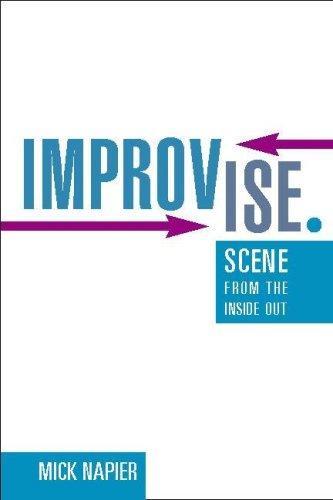
Improvise
Scene from the Inside Out
Mick Napier
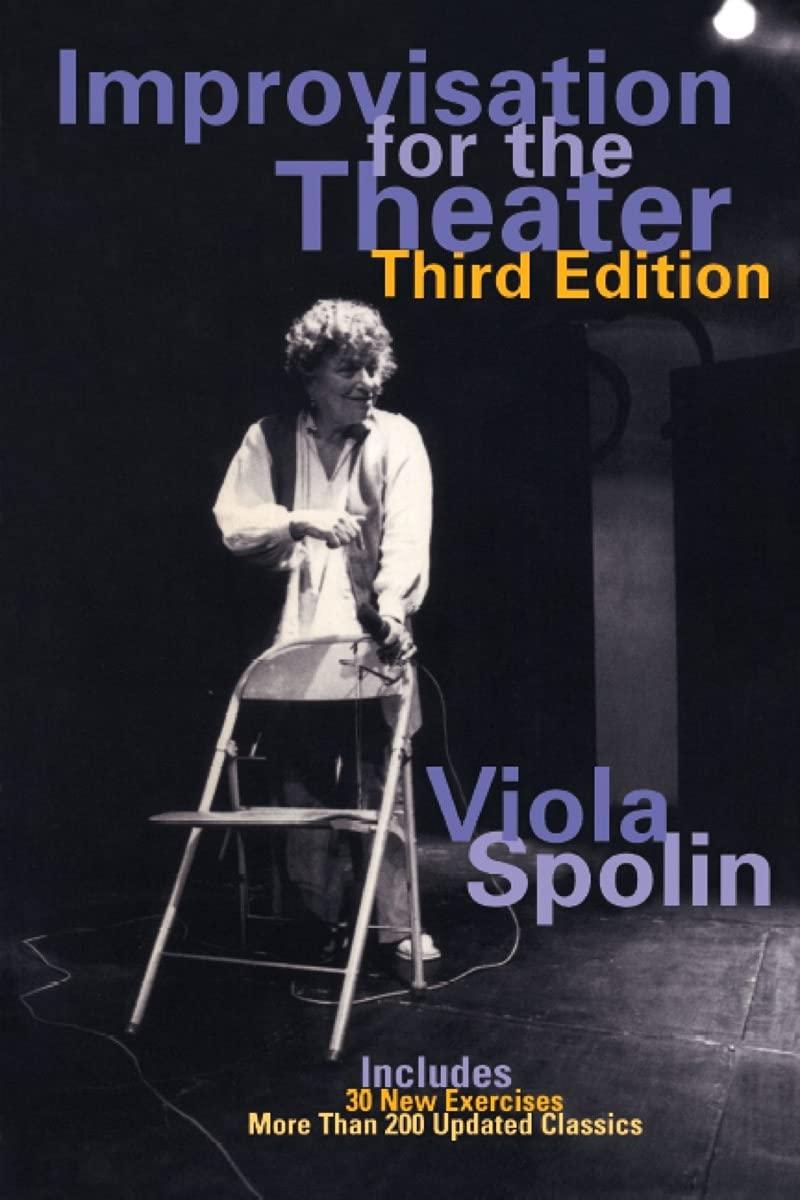
Improvisation for the Theater
A Handbook of Teaching and Directing Techniques
Viola Spolin

The Improv Handbook
The Ultimate Guide to Improvising in Comedy, Theatre, and Beyond
Tom Salinsky; Deborah Frances-White
Related Games
The Bag
The Bag is a short-form game in which performers draw random objects from a bag and must immediately incorporate each item into an ongoing scene, finding justification for the object's presence within the established narrative. The objects are typically collected from audience members' pockets and belongings before the show, giving the game an element of authentic surprise. The game trains rapid object integration and the improvisational habit of treating unexpected material as an offer.
Bucket
Bucket is a short-form game in which scene suggestions, character traits, or constraints are written on slips of paper and placed in a bucket before the show. During scenes, performers draw slips at designated moments and must immediately incorporate whatever is written into the ongoing action. The random elements inject controlled unpredictability, forcing performers to accept and justify offers that could not be anticipated. The game rewards flexibility, quick thinking, and the ability to absorb any suggestion without hesitation. Bucket demonstrates the core improv principle that accepting external offers, no matter how disruptive, produces stronger and more surprising scene work than relying solely on performer-generated choices.
Narrator
Narrator is a short-form game in which one performer serves as an omniscient narrator who describes and directs the action while other players act out whatever is narrated. The performers must physicalize the narrator's words instantly, even when the descriptions become absurd, contradictory, or physically challenging. The game generates comedy from the tension between what is narrated and what the performers can actually do, and from the narrator's power to control the scene's reality with a single sentence. The game rewards quick physical commitment from the actors and creative, descriptive language from the narrator.
Written Lines
Written Lines is a scene game in which performers hold slips of paper with pre-written lines that they must incorporate naturally into an improvised scene at opportune moments. The challenge lies in finding the right context to deliver each unrelated line without breaking the scene's logic. The game rewards smooth justification and the ability to steer a scene toward unexpected material.
Alter Ego
Alter Ego is a short-form scene game in which each main character has a second performer standing directly behind them who voices the character's inner thoughts. Two players perform a scene with dialogue and action while their respective alter egos narrate the unspoken subtext: desires, fears, judgments, and contradictions that the characters would never say aloud. The contrast between what a character says publicly and what they actually think generates natural comedy and dramatic irony. The game highlights the role of subtext in scene work and rewards performers who create clear, exploitable gaps between surface behavior and true feelings. Alter Ego appears across multiple improv traditions and is documented in Andy Goldberg's Improv Comedy among other sources.
Props
Props is a short-form game in which teams of performers are given unusual objects and must quickly create as many comedic uses for them as possible. Each use is presented as a brief sketch or visual gag. The game was a signature element of Whose Line Is It Anyway and rewards speed, creativity, and physical commitment to absurd transformations.
How to Reference This Page
The Improv Archive. (2026). Pockets. Retrieved March 17, 2026, from https://improvarchive.org/games/pockets
The Improv Archive. "Pockets." The Improv Archive, 2026. https://improvarchive.org/games/pockets.
The Improv Archive. "Pockets." The Improv Archive, 2026, https://improvarchive.org/games/pockets. Accessed March 17, 2026.
The Improv Archive is a systemically maintained repository. The archive itself acts as the corporate author.