A Cultural History of Comedy in the Middle Ages
A Cultural History of Comedy in the Middle Ages, edited by Martha Bayless, explores the rich and often subversive world of medieval humor from 500 to 1400. This volume, part of the Bloomsbury cultural history series, challenges the persistent myth of a "dark age" devoid of play. Instead, it reveals a society where laughter was deeply woven into religious life, academic discourse, and rural community celebrations.
Bayless, a leading scholar of medieval parody, organizes the volume to examine how comedy functioned within the rigid hierarchies of the church and the feudal system. The work details the prevalence of clerical parodies, such as the "Drunkards' Mass," and the carnivalesque festivals where social roles were temporarily reversed. It traces the lineage of comedic figures from the court jester to the "holy fool" and examines how humorous stories provided a medium for exploring class tension, sexual desire, and the absurdity of daily life.
The collection places significant emphasis on the materiality of medieval comedy. It looks at how laughter was physically manifested in marginalia: the whimsical drawings in the borders of serious manuscripts: and in the rowdy performances of itinerant minstrels. By situating comedy as a "safety valve" and a tool for social commentary, the volume demonstrates that medieval people used humor to navigate a world defined by profound religious devotion and harsh physical realities.
Key Concepts
The study of seasonal festivals where social norms were suspended and the low was elevated above the high.
Humorous imitations of sacred texts and rituals that served to humanize the liturgy rather than mock the faith.
The importance of visual humor in the margins of religious manuscripts, representing a world of 'inverted reality'.
Short, bawdy verse tales that satirized the clergy and the merchant class through themes of trickery and lust.
The medieval view of humor as a necessary component of balanced mental health, often linked to the theory of the humors.
Who Benefits from Reading this Book
Scholars who need a comprehensive overview of the social and psychological functions of humor in the pre-modern world.
Those interested in the historical relationship between organized religion and the subversive nature of parody.
Researchers studying medieval iconography, particularly manuscript illumination.
Individuals seeking authentic historical inspiration for storytelling set in the medieval period.
Reception & Legacy
Critics have hailed this volume for its depth of research and its ability to humanize the medieval subject. Martha Bayless is frequently commended for her expertise in medieval parody, which provides the volume with a unique authority on the intersection of humor and the divine. The book is often cited as a crucial corrective to the idea that the medieval church was uniformly hostile to laughter. While academic in nature, the vivid descriptions of festivals and manuscript art make it an engaging read.
Related Reading
See all books →
A Cultural History of Comedy in the Early Modern Age
Eric Weitz; Andrew McConnell Stott

American Laughter, American Fury
Humor and the Making of a White Man's Democracy, 1750-1850
Eran A. Zelnik
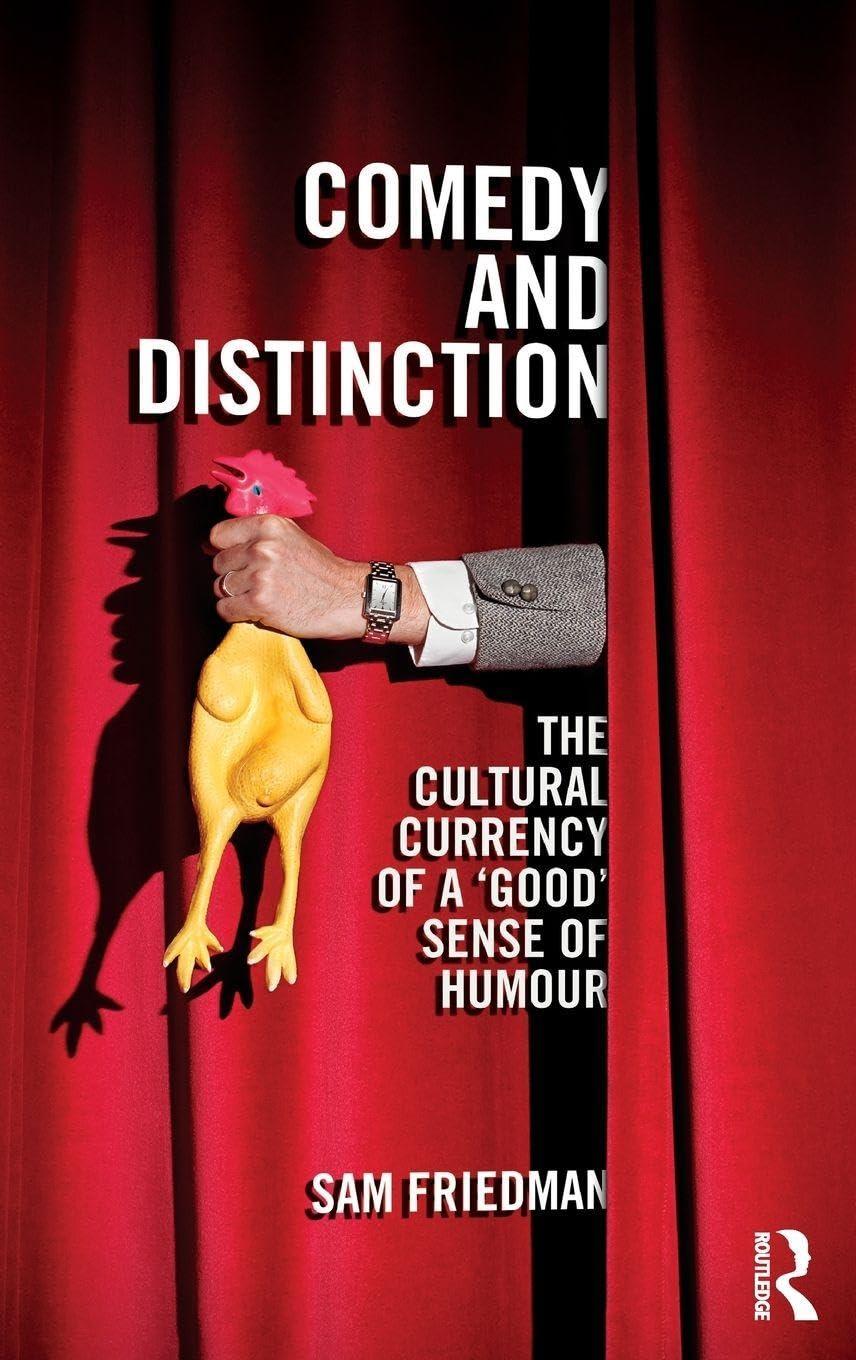
Comedy and Distinction
The Cultural Currency of a 'Good' Sense of Humour
Sam Friedman

Improvisation In The Arts Of The Middle Ages And Renaissance
Timothy J. McGee

Truth in Comedy
The Manual of Improvisation
Charna Halpern; Del Close; Kim Howard Johnson

Something Wonderful Right Away
An Oral History of The Second City and The Compass Players
Jeffrey Sweet
About This Book
How to Reference This Page
The Improv Archive. (2026). A Cultural History of Comedy in the Middle Ages. Retrieved March 17, 2026, from https://improvarchive.org/books/cultural-history-of-comedy-in-the-middle-ages
The Improv Archive. "A Cultural History of Comedy in the Middle Ages." The Improv Archive, 2026. https://improvarchive.org/books/cultural-history-of-comedy-in-the-middle-ages.
The Improv Archive. "A Cultural History of Comedy in the Middle Ages." The Improv Archive, 2026, https://improvarchive.org/books/cultural-history-of-comedy-in-the-middle-ages. Accessed March 17, 2026.
The Improv Archive is a systemically maintained repository. The archive itself acts as the corporate author.