Circle of Expectation
Circle of Expectation is an exercise in which a player enters the center of a circle and the group collectively projects a silent expectation through focus and attention. The center player must respond to the group's energy without verbal instruction. The exercise develops sensitivity to the unspoken demands of an audience.
Structure
Setup
Players form a circle facing inward. One player steps to the center. The circle is asked to project a silent, collective expectation toward the center player - not a command, but a specific quality of focused attention that implies something is about to happen.
Phase 1: The Expectation
Before the center player enters, the circle decides (briefly, among themselves or indicated by the facilitator) what they collectively expect: a grand entrance, a statement of something important, a specific emotional quality. The expectation is felt, not spoken.
Phase 2: The Response
The center player steps in and must respond to the group's energy. They have received no verbal instruction - only the weight of collective focus and expectation. They respond instinctively: moving in a way, speaking in a way, or simply being in a way that answers what they feel from the circle.
Phase 3: Debrief
After each center player, the group reveals what they were expecting and the center player describes what they received. How close was the communication? What signals transmitted the expectation?
Variation: Contradictory Expectations
Half the circle projects one expectation; half projects another. The center player must navigate the contradictory energy.
How to Teach It
How to Explain It
"Circle: focus on this person. Let them feel what you want from them - silently. Don't gesture, don't speak. Just feel it and project it. [To center player:] Step in. What do you feel from them? Respond to it."
Why It Matters
Circle of Expectation develops performers' sensitivity to the unspoken demands and expectations that audiences project during performance. Every audience has a felt expectation - they want something, even if they can't articulate it - and performers who can read and respond to that expectation create the sense of being "in tune" with the room. The exercise makes this usually invisible dynamic concrete and trainable.
Common Coaching Notes
- The circle must genuinely project. Generic "focused attention" is too diffuse. The circle should feel a specific, embodied want. Coach: "Don't just watch. Want something from them."
- The center player should respond before analyzing. The instinctive physical response is more valuable than a reasoned interpretation. Move first, understand later.
- The reveal should be specific. "We wanted intensity" is vague. "We wanted you to announce something that changes everything" is specific enough to compare to what actually happened.
Debrief Questions
- What did you feel from the circle when you stepped in?
- How close was your response to what they were expecting?
- What signals transmitted the expectation most clearly?
Worth Reading
See all books →
Group Improvisation
The Manual of Ensemble Improv Games
Peter Campbell Gwinn; Charna Halpern

Action Theater
The Improvisation of Presence
Ruth Zaporah
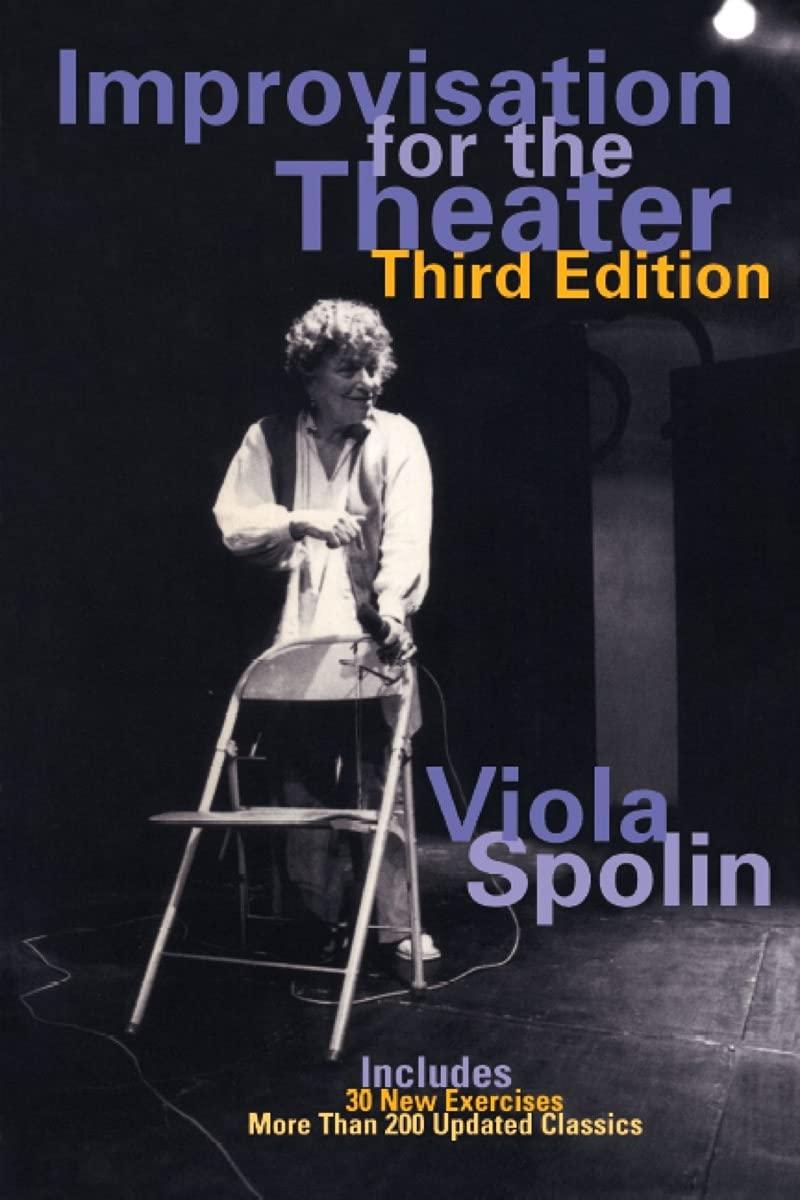
Improvisation for the Theater
A Handbook of Teaching and Directing Techniques
Viola Spolin

The Improvisation Game
Discovering the Secrets of Spontaneous Performance
Chris Johnston

Theatre of the Oppressed
Augusto Boal
Theater Games for Rehearsal
Viola Spolin
Related Exercises
Circle of Awesome
Circle of Awesome is an affirmation exercise in which one player stands in the center of a circle while the group showers them with enthusiastic praise and encouragement. The exercise builds a supportive ensemble culture and helps performers overcome the fear of being watched. It establishes that the group has each member's back.
Bippety Bop
Bippety Bop (1) is a focus and elimination game in which the center player points to someone and says either "Bippety Bop" or "Bop." The target must stay silent for "Bop" and say "Bop" before the pointer finishes "Bippety Bop." Errors send the target to the center. The game trains split-second listening and impulse control.
Character Mirror Circle
Character Mirror Circle is an exercise in which players stand in a circle and one player steps to the center, adopting a character through physicality and voice. The rest of the circle mirrors the character as precisely as possible. The exercise sharpens observational skills and teaches performers to read and reproduce physical character details.
Bibbidy Bibbidy Bop
Bibbidy Bibbidy Bop is a fast-paced circle game in which the person in the center points to someone and says a phrase. The pointed-to player and their neighbors must complete a physical pose before the center player finishes saying "Bibbidy Bibbidy Bop." Whoever fails takes the center. The game sharpens focus, listening, and reaction speed.
You
You is a circle exercise in which players point at another person and say "you," passing focus around the group with clear eye contact and decisive gestures. The exercise trains the habit of making specific, committed choices about who receives an offer. It builds directness and the ability to give and receive attention cleanly.
Popcorn
Popcorn is an ensemble energy exercise in which players crouch on the ground and pop up one at a time to shout a word, sound, or short phrase before dropping back down. The group must self-regulate so that pops do not overlap and the rhythm stays dynamic. The exercise builds group awareness, spontaneity, and the instinct to fill empty space without stepping on others.
How to Reference This Page
The Improv Archive. (2026). Circle of Expectation. Retrieved March 17, 2026, from https://improvarchive.org/exercises/circle-of-expectation
The Improv Archive. "Circle of Expectation." The Improv Archive, 2026. https://improvarchive.org/exercises/circle-of-expectation.
The Improv Archive. "Circle of Expectation." The Improv Archive, 2026, https://improvarchive.org/exercises/circle-of-expectation. Accessed March 17, 2026.
The Improv Archive is a systemically maintained repository. The archive itself acts as the corporate author.