Flatmates Just Do Nothing
Flatmates Just Do Nothing is a scene exercise in which performers play roommates engaged in completely mundane, low-stakes activity -- watching television, eating cereal, folding laundry -- with no dramatic agenda imposed from outside. The exercise trains the ability to be fully present in an ordinary moment, to find authentic relationship texture in ordinary behavior, and to trust that genuine connection and specificity are sufficient engines for scene without the need for conflict or event.
Structure
Setup
Two to three performers establish a shared domestic space. No special staging is required. Props can be mimed or actual. The facilitator gives the minimal instruction: be at home doing nothing in particular.
Progression
Performers simply inhabit the space together, doing small domestic tasks or simply existing in proximity. There is no inciting incident, no dramatic problem to solve. The performers talk, are quiet, interact obliquely, or exist in comfortable or uncomfortable silence -- whatever is true in the moment.
The facilitator watches for the specific texture of the relationship to emerge from the small behavior: who takes more space, who speaks first, how they share, what goes unsaid. The exercise may last five to ten minutes without any external coaching.
Conclusion
The facilitator stops the scene and debriefs what was observed -- what the relationship between these specific people revealed itself to be, and where the scene's truth lived.
How to Teach It
Objectives
Flatmates Just Do Nothing targets presence, authentic relationship expression, and the ability to resist the impulse to manufacture dramatic events. The exercise directly addresses the improvisational impulse to add conflict or event rather than trust the people onstage.
How to Explain It
"Nothing has to happen. You're just home. Be with each other in that."
Scaffolding
This exercise works best with ensembles who have developed some basic scene vocabulary and are ready to challenge their reliance on event-driven story. It is less appropriate as a first scene exercise and more useful as a corrective for groups who are avoiding the present moment by chasing plot.
Common Pitfalls
Performers almost always introduce a conflict within the first minute -- they cannot sustain the absence of event. The coaching note is not to forbid conflict, but to notice the impulse: the moment a dramatic move is introduced, freeze the scene and ask the performer what just happened in them that made that necessary.
Worth Reading
See all books →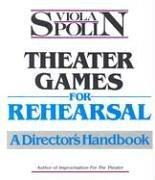
Theater Games for Rehearsal
Viola Spolin

Acting Through Improv
Improv Through Theatresports
Lynda Belt; Rebecca Stockley
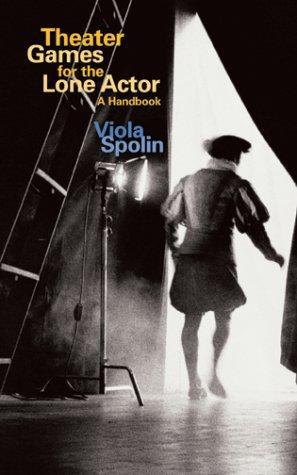
Theater Games for the Lone Actor
Viola Spolin

Improvisation
Use What You Know, Make Up What You Don't
Brad Newton

Group Improvisation
The Manual of Ensemble Improv Games
Peter Campbell Gwinn; Charna Halpern

Improv Ideas
A Book of Games and Lists
Mary Ann Kelley; Justine Jones
Related Exercises
Scenes That Bring You Joy
Scenes That Bring You Joy is a scene exercise in which performers are invited to play only scenes that genuinely delight them, prioritizing personal enjoyment over audience-pleasing instincts. The exercise reconnects players with the pleasure of performing and often produces unexpectedly authentic, engaging work. It counters the tendency to default to conflict-driven or joke-heavy scenes.
Without Sound
Without Sound is a scene exercise in which performers play an entire scene with no vocal output, communicating exclusively through physicality, facial expression, and gesture. The exercise reveals how much of scene work can be conveyed nonverbally and trains performers to make bold, clear physical choices.
Who Where Why Am I
Who Where Why Am I is a scene exercise in which a performer enters a space and must quickly establish their character, location, and purpose through physical behavior before any dialogue begins. The exercise prioritizes physical storytelling and teaches performers to communicate essential scene information through action rather than exposition.
Surprise Movement
Surprise Movement is an exercise in which performers interrupt their own scenes or monologues with sudden, unexpected physical choices and must justify them within the scene. The exercise breaks habitual movement patterns and teaches players that physical surprises can open new scene directions.
Create Obstacles
Create Obstacles is a scene exercise in which performers deliberately introduce complications and barriers to their characters' goals. The exercise teaches that obstacles are the engine of dramatic interest: characters who get what they want without resistance produce flat, unengaging scenes. By practicing the creation of obstacles, performers develop the instinct to generate tension and problem-solving pressure from within the scene rather than waiting for obstacles to arrive from outside.
Simple Continuation
Simple Continuation is a scene exercise in which a facilitator starts a scene with a basic premise and the performers must continue it without adding unnecessary complications, practicing the discipline of building on what exists rather than introducing new elements. The exercise teaches restraint and the value of following an idea to its natural conclusion.
How to Reference This Page
The Improv Archive. (2026). Flatmates Just Do Nothing. Retrieved March 17, 2026, from https://improvarchive.org/exercises/flatmates-just-do-nothing
The Improv Archive. "Flatmates Just Do Nothing." The Improv Archive, 2026. https://improvarchive.org/exercises/flatmates-just-do-nothing.
The Improv Archive. "Flatmates Just Do Nothing." The Improv Archive, 2026, https://improvarchive.org/exercises/flatmates-just-do-nothing. Accessed March 17, 2026.
The Improv Archive is a systemically maintained repository. The archive itself acts as the corporate author.