Gravitational Silly Walk
Gravitational Silly Walk is an applied movement exercise drawing on Michael Chekhov's qualities of movement and the comic tradition of Monty Python's Ministry of Silly Walks. Each participant creates a personal walking style based on their current embodied relationship to gravity -- whether they feel pulled down, buoyant, radiant, or flowing -- and uses that quality to generate a distinctive, exaggerated walk. The exercise unlocks physical self-expression, releases inhibition, and makes the body's habitual movement patterns visible and malleable.
Structure
Setup
Participants stand in open space with room to walk. The facilitator introduces four basic qualities of movement drawn from Chekhov's work: molding (heavy, dense, pressing into the earth), flowing (continuous, fluid, unbroken), flying (light, lifted, expansive), and radiating (energized, projecting outward from a center).
Gravity Exploration
Participants are invited to notice their current physical state -- how heavy or light do they feel, how contained or expansive? They begin walking with their current quality, exaggerating it until it becomes a distinctive, personal movement style.
Silly Walk Development
The facilitator invites participants to heighten their walk until it crosses into the absurd -- a personal Silly Walk that expresses their gravitational quality at full intensity. Each walk should be distinct and repeatable.
Sharing and Exchange
Participants walk through the space, encountering each other's walks. Optional: a brief walk-parade where each participant presents their walk to the group, or a walking conversation where two people with contrasting gravitational qualities interact.
Conclusion
The facilitator invites participants to return to neutral walking and notice what changed -- what habitual movement patterns became visible, and what felt different about moving freely.
How to Teach It
Objectives
Gravitational Silly Walk develops physical self-awareness, releases movement inhibition, and makes participants' habitual physical patterns visible and available for exploration. It draws on Chekhov's movement qualities as an accessible entry point to character-level physicality.
How to Explain It
"Notice how heavy or light you feel right now -- really notice it. Start walking with that quality. Then turn it up. Make it twice as strong, three times. Keep going until your walk is completely, gloriously ridiculous."
Scaffolding
Introduce the four Chekhov qualities before participants begin so they have vocabulary for what they are exploring. Move through the qualities in sequence -- molding, then flowing, then flying, then radiating -- before asking participants to identify their own current quality and develop it.
Common Pitfalls
Participants often self-edit before their walk becomes fully committed, producing a mildly unusual walk rather than a genuinely silly one. The coaching note is that the exercise only works at full commitment: half-silly is neither funny nor useful. Permission to be ridiculous is the essential condition.
In Applied Settings
Learning Objectives
In applied settings, Gravitational Silly Walk develops physical self-expression, reduces inhibition, and helps participants notice their habitual physical patterns -- the ways their body typically holds itself and moves through the world. The exercise surfaces the connection between physical state and emotional state, making participants more aware of how their body communicates before they open their mouths.
Workplace Transfer
The exercise trains body awareness relevant to presence, confidence, and how participants appear in professional settings. Participants who have explored their gravitational quality often report greater awareness of how they hold themselves in high-stakes conversations -- whether they collapse inward (molding), project broadly (radiating), or are somewhere in between. The walk makes that habitual physical pattern conscious and available for adjustment.
Facilitation Context
Gravitational Silly Walk is used in leadership development, presence training, communication workshops, and team warm-ups. It is particularly effective at the start of a workshop to break down physical self-consciousness and establish a room norm of uninhibited physical expression. Works well with groups of 6 to 24 in a space with room to move.
Debrief Framing
Ask participants: "What was your gravitational quality? What did it feel like to exaggerate it? Where in your work do you notice that quality showing up in how you carry yourself?"
Skills Developed
Worth Reading
See all books →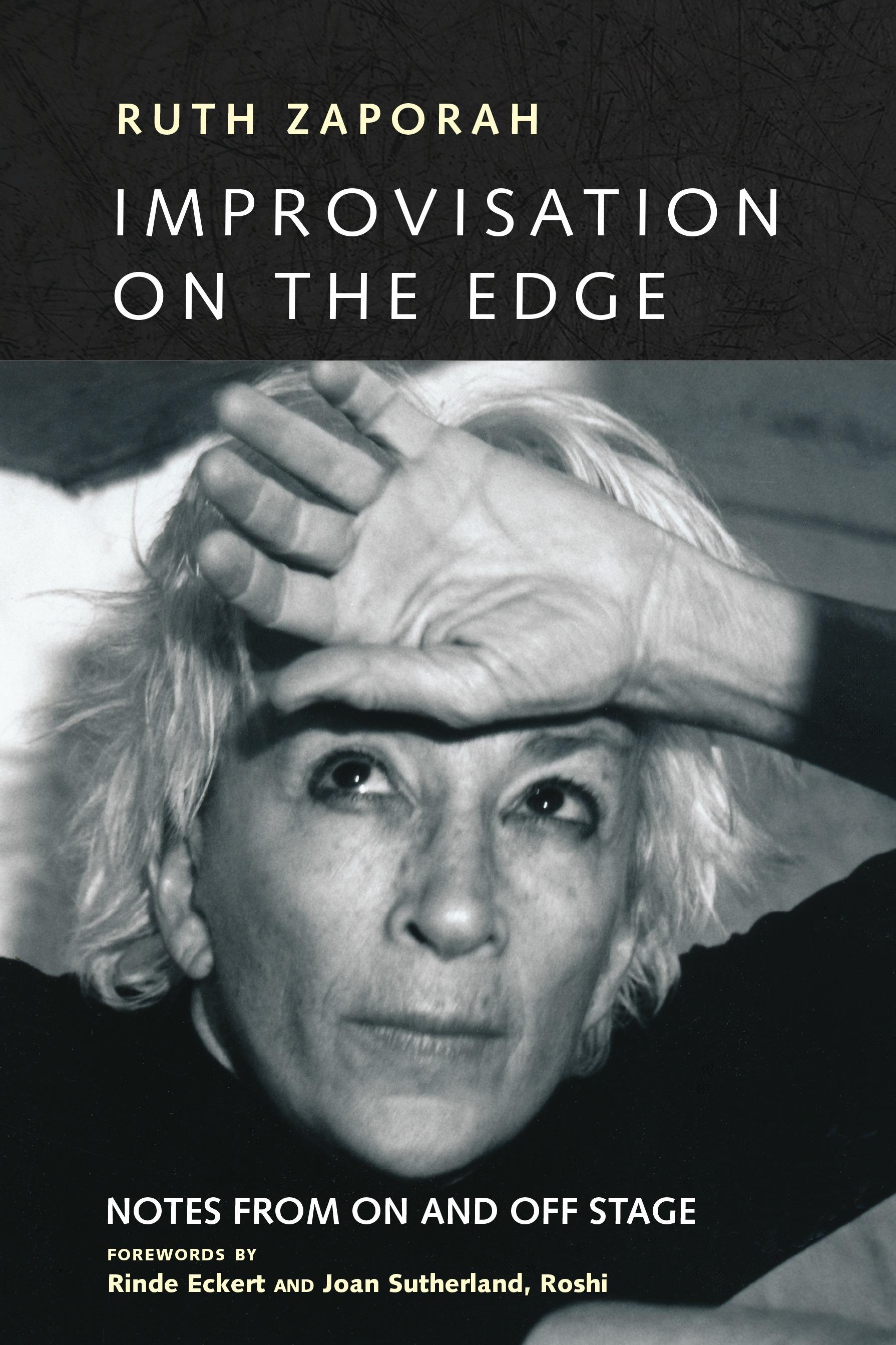
Improvisation On the Edge
Notes from On and Off Stage
Ruth Zaporah

Action Theater
The Improvisation of Presence
Ruth Zaporah
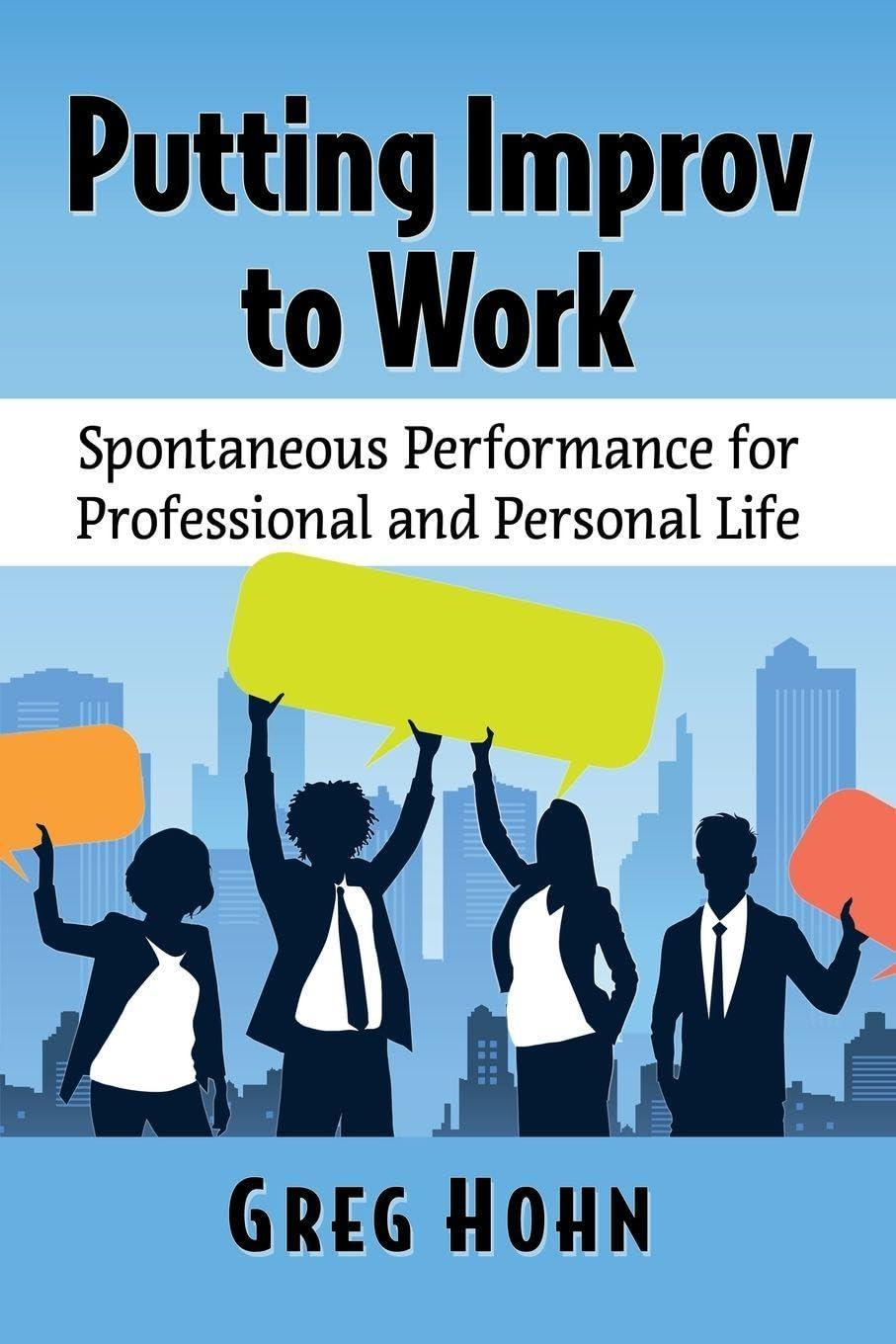
Putting Improv to Work
Spontaneous Performance for Leadership, Learning, and Life
Greg Hohn

The Improv Illusionist
Using Object Work, Environment, and Physicality in Performance
David Raitt

Group Improvisation
The Manual of Ensemble Improv Games
Peter Campbell Gwinn; Charna Halpern

Long Form Improvisation and American Comedy
The Harold
Matt Fotis
Related Exercises
Group Environment
Group Environment is a space work exercise in which the entire ensemble collaborates to build a shared imagined environment through mime and physical interaction. Each player adds objects, features, and activities that others must acknowledge and use. The exercise trains spatial memory, object permanence, and the foundational skill of creating a believable shared world.
Name the Monster
Name the Monster is a reflective exercise in which participants identify and name the internal critic, fear, or resistance that arises for them in improvisation or creative work. By giving the inner critic a distinct name and persona, the exercise creates psychological distance from self-limiting thought patterns, making them easier to recognize and set aside during performance or rehearsal.
Center of Gravity
Center of Gravity is a physical awareness exercise in which performers explore how shifting their center of gravity changes their movement, posture, and character presence. By leading movement from different body parts, such as the chest, pelvis, forehead, or chin, performers discover distinct physical vocabularies that translate directly into character work. The exercise trains performers to connect internal character choices to external physical expression, revealing how small postural adjustments produce dramatically different stage presences. Center of Gravity is used across acting and improvisation training traditions as a tool for generating characters from the body outward rather than from intellectual decisions alone.
Statues
Statues is a family of exercises and games in which players freeze or are sculpted into specific physical positions and must then commit to, justify, or animate from those positions. The game teaches that physicality can precede and generate narrative: when the body is placed in a specific shape, the character and scene emerge from what the body already knows. Statues appears in improv, Image Theatre, applied settings, and children's game traditions.
The Magnet
The Magnet is a physical ensemble exercise in which one player acts as a magnet moving through the space while other players respond as if they are iron filings, drawn toward or pushed away depending on the magnet's orientation. The exercise develops physical responsiveness, spatial sensitivity, and ensemble attunement through non-verbal interaction.
Object Morphing
Object Morphing is an exercise in which a player holds an imaginary object and gradually transforms it into something else through continuous physical manipulation. The transformation should be smooth and visible so the group can follow the shift. The exercise trains creative fluidity and the ability to find physical connections between unrelated objects.
How to Reference This Page
The Improv Archive. (2026). Gravitational Silly Walk. Retrieved March 17, 2026, from https://improvarchive.org/exercises/gravitational-silly-walk
The Improv Archive. "Gravitational Silly Walk." The Improv Archive, 2026. https://improvarchive.org/exercises/gravitational-silly-walk.
The Improv Archive. "Gravitational Silly Walk." The Improv Archive, 2026, https://improvarchive.org/exercises/gravitational-silly-walk. Accessed March 17, 2026.
The Improv Archive is a systemically maintained repository. The archive itself acts as the corporate author.