Stop. Start. Continue.
Ask someone what they want you to stop doing, start doing, and continue doing. Structures feedback in a balanced, actionable way.
Worth Reading
See all books →
When I Say This, Do You Mean That?
Enhancing Communication
Cherie Kerr; Julia Sweeney
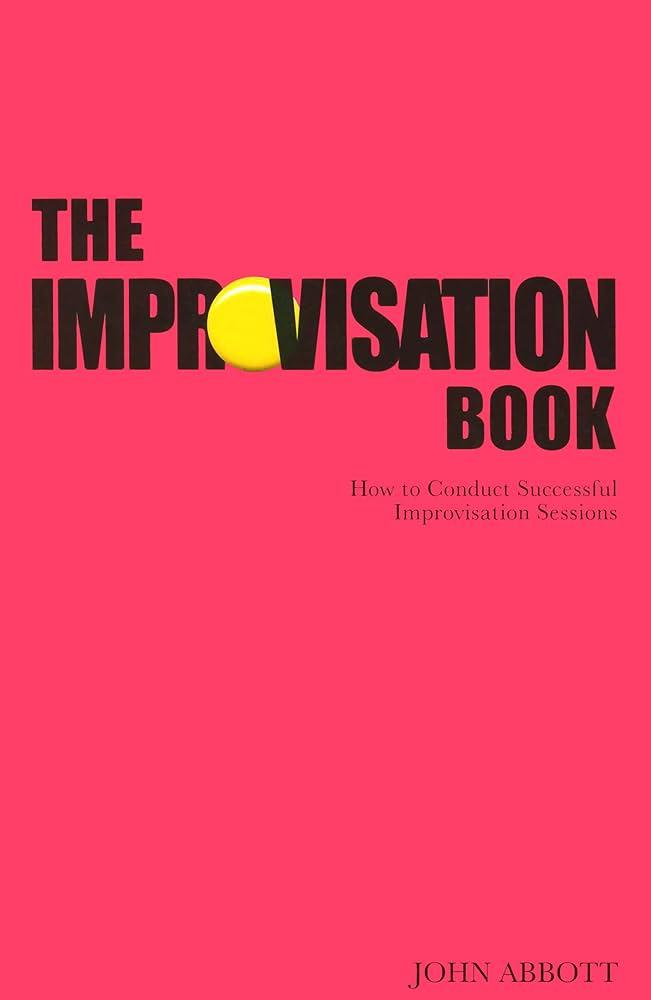
The Improvisation Book
How to Conduct Successful Improvisation Sessions
John S.C. Abbott

You Can Teach Improv (Yes, You!)
The Ultimate Guide to Class Planning, Skill Building, and Helping Every Student Leave With a Win
Andrew Berkowitz
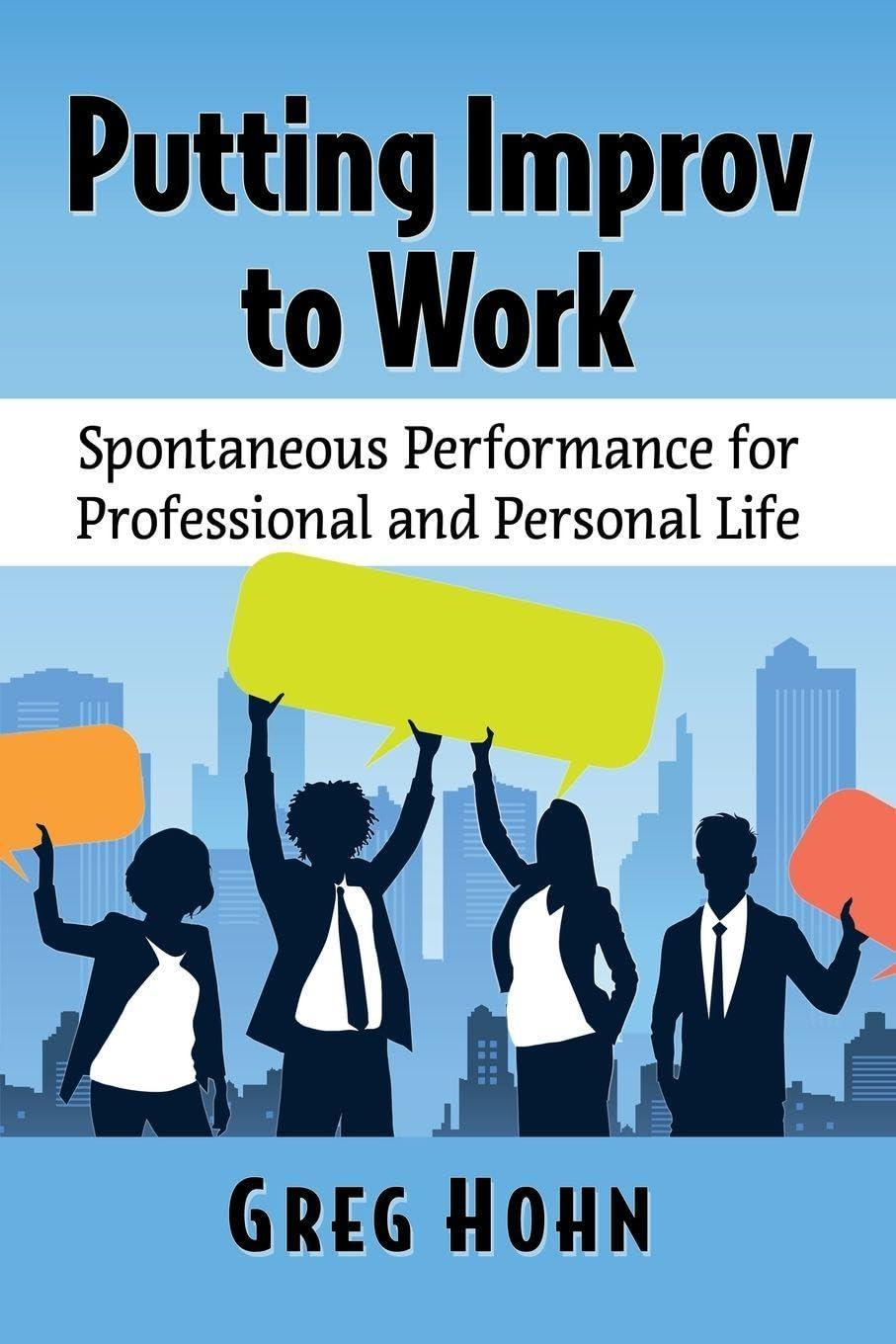
Putting Improv to Work
Spontaneous Performance for Leadership, Learning, and Life
Greg Hohn

The Improv Mindset
How to Make Improvisation Your Superpower for Success
Keith Saltojanes

Improv Leadership
How to Lead Well in Every Moment
Stan Endicott; David A. Miller; Cory Hartman
Related Exercises
I Like. I Wish. What If?
I Like, I Wish, What If is an applied feedback framework drawn from design thinking practice and used in applied improv contexts as a structured tool for giving constructive, forward-looking feedback on work in progress. Rather than open-ended critique, feedback is organized into three channels: what is working (I Like), what could be developed (I Wish), and generative possibilities (What If). The framework balances appreciation and aspiration, reducing the defensiveness that unstructured feedback often produces.
Breakfast of Champions
Frame feedback with: I am giving you these comments because I have high expectations of you and I am confident you can reach them. Research shows this framing makes feedback 40% more effective.
Yes Lets - or Rather Not
Yes Lets - or Rather Not is a variation of Yes Lets in which players can either accept a suggestion with enthusiasm or politely decline it, requiring the group to navigate agreement and disagreement gracefully. The exercise teaches that saying no can be done supportively and that the group can redirect without blocking.
The Right Attitude
Exercises exploring how attitude shapes outcomes, practicing the adoption of constructive mindsets in challenging situations.
Feedback
Feedback is an applied improv exercise in which participants construct conversations and letters one word at a time, practicing the principles of constructive feedback delivery and reception through a collaborative word-at-a-time structure. The constraint removes defensive preparation and forces participants to co-create the feedback conversation in real time, revealing the habits, avoidances, and instincts that govern how feedback is actually given and received in professional settings.
Rewind and Unblock
Rewind and Unblock is a coaching exercise in which a facilitator stops a scene at a point where it has stalled or gone off track, rewinds to an earlier moment, and asks the performers to make a different choice. The exercise teaches players to recognize blocking patterns and discover more productive scene paths. It builds the editorial skill of identifying where a scene lost momentum.
How to Reference This Page
The Improv Archive. (2026). Stop. Start. Continue.. Retrieved March 17, 2026, from https://improvarchive.org/exercises/stop-start-continue
The Improv Archive. "Stop. Start. Continue.." The Improv Archive, 2026. https://improvarchive.org/exercises/stop-start-continue.
The Improv Archive. "Stop. Start. Continue.." The Improv Archive, 2026, https://improvarchive.org/exercises/stop-start-continue. Accessed March 17, 2026.
The Improv Archive is a systemically maintained repository. The archive itself acts as the corporate author.