Vampire
Vampire is a warm-up and awareness exercise in which one player is secretly designated as a vampire and eliminates others through a subtle gesture (typically a wink or sustained eye contact) while moving through the group. Players mill about or stand in a circle, attempting to identify the vampire before being eliminated. The exercise builds alertness, peripheral awareness, and the ability to read nonverbal signals while remaining in natural social interaction.
Structure
Setup
Gavin Levy in 112 Acting Games documents exercise 108, Vampire: all players form a circle while standing. A vampire is selected secretly (by a slip of paper, a private signal, or the facilitator's choice). The vampire's identity is concealed from the rest of the group.
Gameplay
The vampire attempts to eliminate other players through a secret signal (most commonly a wink or a sustained gesture that only the target can see). A player who receives the signal from the vampire is "bitten" and must die dramatically, with theatrical commitment, before sitting or stepping out. Players watch each other carefully, attempting to identify the vampire from behavioral clues: who is making sustained eye contact? Who is moving toward which players?
If a player believes they have identified the vampire, they may make an accusation. A correct accusation ends the game; an incorrect accusation eliminates the accuser. The game continues until the vampire is identified or all players have been eliminated.
In the milling version (adapted for larger spaces), players walk freely through the space rather than standing in a circle. This version requires more distributed attention from the vampire, who must make contact with individual players without being observed by others. The milling version more closely approximates social gathering behavior and is a useful warm-up for scene work involving social environments.
Debrief
After the exercise, players discuss the experience of vigilance: what they were watching for, when they suspected someone, and what physical behaviors triggered or dispelled suspicion. The debrief surfaces the group's developing literacy for reading social behavior and nonverbal signals.
How to Teach It
How to Explain It
"One person is the vampire. The vampire moves through the space, making eye contact. If the vampire catches your eye and you do not look away in time, you become a vampire too. The only protection is to be in eye contact with another human when the vampire finds you. Move naturally. Do not make it obvious who you are watching."
Objectives
Vampire develops two capacities simultaneously. The first is peripheral attention: the ability to monitor a large social space for behavioral signals without appearing to scan or watch. This is the same quality required in ensemble scene work, where performers must attend to partners and staging without obviously tracking them. The second is behavioral reading: identifying patterns in others' behavior that reveal hidden information (the vampire's repeated eye contact, unusual proximity to certain players).
Scaffolding
Begin with the circle version (Levy's documented format) before the milling version, as the circle constrains the field of attention to a known, fixed space. Once players have developed facility with the exercise in the circle format, open to the milling version.
For groups new to the exercise, make the vampire's signal more obvious in early rounds (a large wink rather than a sustained glance), then reduce the signal's visibility in subsequent rounds to increase the detection challenge.
For groups that tend to break social naturalism (staring at each other in ways that feel like surveillance rather than conversation), add the instruction that players must maintain a continuous low-level social interaction (greeting each other, exchanging brief remarks) while attempting to detect the vampire. This prevents the game from becoming a staring contest.
Common Coaching Notes
- "Look at the whole room, not just one person."
- "If you've been bitten, commit to the death. Then sit."
- "The vampire wins by appearing normal. Watch for who looks normal in a suspicious way."
- "An accusation you're not sure about may cost you. Wait until you're certain."
History
Gavin Levy documents Vampire as exercise 108 in 112 Acting Games (2005), placing it in a chapter concerned with preparation and alertness. Levy's framing emphasizes the exercise's value for developing the physical and attentional readiness that performance work requires.
Augusto Boal in Games for Actors and Non-Actors documents a related exercise called "The Vampire of Strasbourg," demonstrating that vampire-themed circle games appear in multiple independent theatrical training traditions.
Vampire belongs to the family of secret-role social deduction games, of which Wink Murder is the most widely known theatrical variant. The structure of secret role plus group awareness plus elimination dates to pre-theatrical social games and has been adapted across children's drama, actor training, and improv education curricula.
Worth Reading
See all books →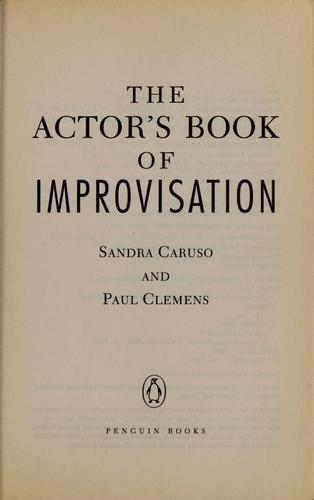
The Actor's Book of Improvisation
Sandra Caruso; Paul Clemens

The Second City Unscripted
Revolution and Revelation at the World-Famous Comedy Theater
Mike Thomas
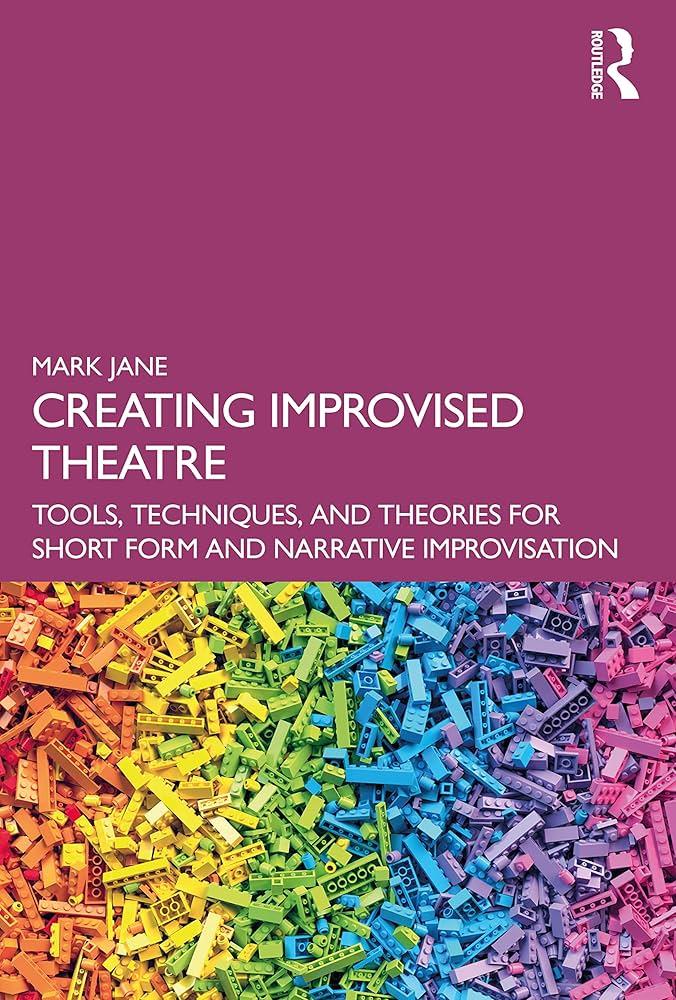
Creating Improvised Theatre
Tools, Techniques, and Theories
Mark Jane

The Upright Citizens Brigade Comedy Improvisation Manual
Matt Besser; Ian Roberts; Matt Walsh

The Art of Making Sh!t Up
Using the Principles of Improv to Become an Unstoppable Powerhouse
Norm LaViolette; Bob Melley
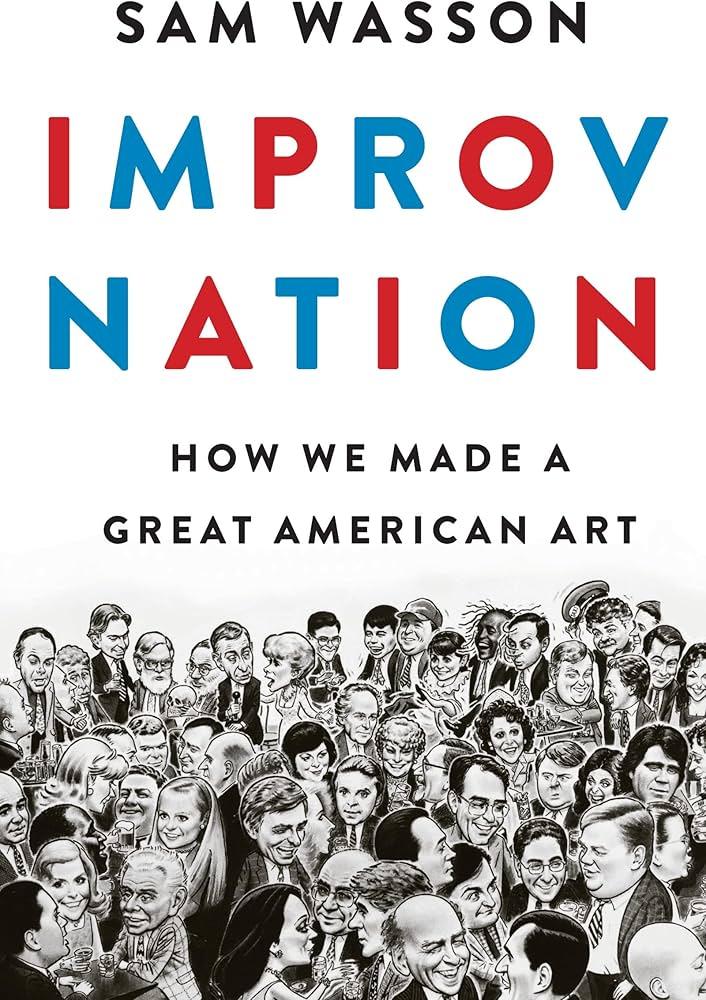
Improv Nation
How We Made a Great American Art
Sam Wasson
Related Exercises
Vampire Game
Vampire Game is a group exercise similar to Wink Murder in which a designated vampire stalks the group, eliminating players through eye contact or a secret signal. Surviving players must identify the vampire before the group is wiped out. The game trains observational awareness and the ability to track multiple people's behavior simultaneously.
Assassins
Assassins is a group awareness exercise in which each player secretly watches one specific person in the space. When the facilitator gives a signal, every player simultaneously points to the person they have been watching. The exercise reveals the web of attention in the room and is used to discuss group dynamics, observation, and the experience of being seen.
Samurai
Samurai is an energetic warm-up exercise in which players stand in a circle and pass an imaginary sword strike to each other using a sharp downward motion and a vocalized sound. The recipient and their two neighbors must react in coordinated unison before the strike is redirected to another player. The exercise builds group energy, physical focus, and responsive ensemble awareness. It exists in multiple versions ranging from circle energy-passing to competitive elimination formats.
Virus
Virus is a physical ensemble exercise in which one player begins with a specific behavior, sound, or movement that spreads to others through proximity or contact, eventually infecting the whole group. The exercise demonstrates how energy and impulse propagate through an ensemble and trains players to notice and respond to the influence of their partners.
Character Mirror Circle
Character Mirror Circle is an exercise in which players stand in a circle and one player steps to the center, adopting a character through physicality and voice. The rest of the circle mirrors the character as precisely as possible. The exercise sharpens observational skills and teaches performers to read and reproduce physical character details.
How to Reference This Page
The Improv Archive. (2026). Vampire. Retrieved March 17, 2026, from https://improvarchive.org/exercises/vampire
The Improv Archive. "Vampire." The Improv Archive, 2026. https://improvarchive.org/exercises/vampire.
The Improv Archive. "Vampire." The Improv Archive, 2026, https://improvarchive.org/exercises/vampire. Accessed March 17, 2026.
The Improv Archive is a systemically maintained repository. The archive itself acts as the corporate author.